Oil Prices Slide as Analysts See Short-Lived US-Iran Tensions
A broad energy partnership between ADNOC and Mitsui is also announced, as market focus shifts from Middle East risk.
Oil prices fell on Thursday as traders bet that renewed conflict between the U.S. and Iran would remain limited, according to Rigzone. The drop came despite a recent spike in geopolitical risk premiums.
Strategists at Macquarie said they expect the renewed tension in the Middle East to be "relatively short-lived," Rigzone reported Friday. This assessment contributed to the market's recalibration, easing concerns about a major supply disruption that could have supported higher global crude benchmarks.
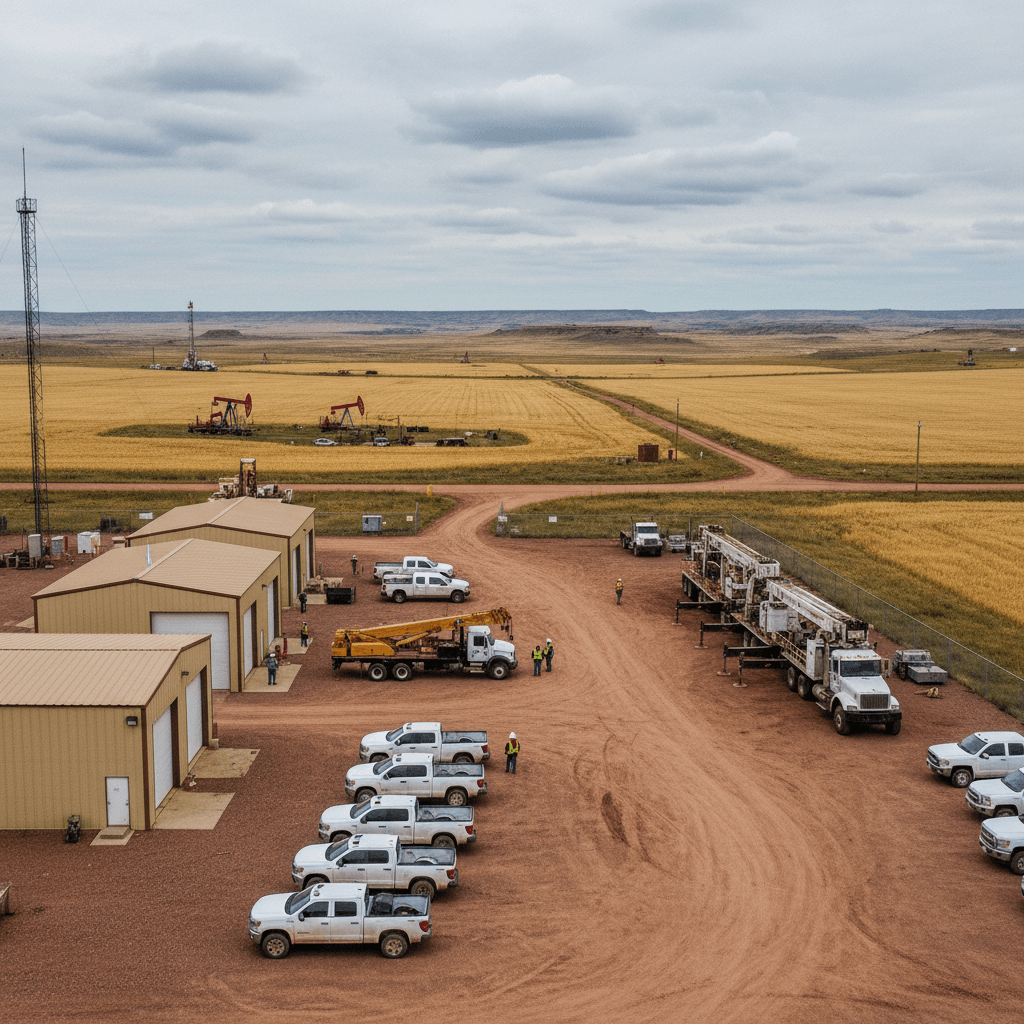
For Bakken operators, rapidly easing geopolitical premiums can translate to lower near-term price realizations for their crude. The Bakken's price is closely tied to the U.S. benchmark West Texas Intermediate (WTI), which is influenced by these global events. A swift return to trading on fundamental supply and demand factors, rather than fear of conflict, typically reduces volatility and the potential for windfall price spikes.
In other global energy news, Abu Dhabi National Oil Company (ADNOC) and Japan's Mitsui & Co. have inked a broad energy partnership, Rigzone reported. The companies will explore collaboration in areas including crude oil market development and long-term supply, LNG sales and optimization, and shipping solutions.
While this partnership is focused on international markets and commodities like LNG and ammonia, such long-term supply agreements between major national oil companies and global traders can influence the structure of the global oil market. A more interconnected and efficient global market for crude and products ultimately sets the competitive backdrop for all producers, including those in the Williston Basin.
The confluence of these reports—fading geopolitical risk and expanding international partnerships—suggests a market moving past a brief scare and focusing on longer-term trade and supply logistics. For North Dakota producers, the immediate impact is a less supportive price environment than one driven by escalating conflict, keeping the focus on operational efficiency and cost control.
Source
Rigzone