Oil Prices Slip, Bakken Differential Holds Steady
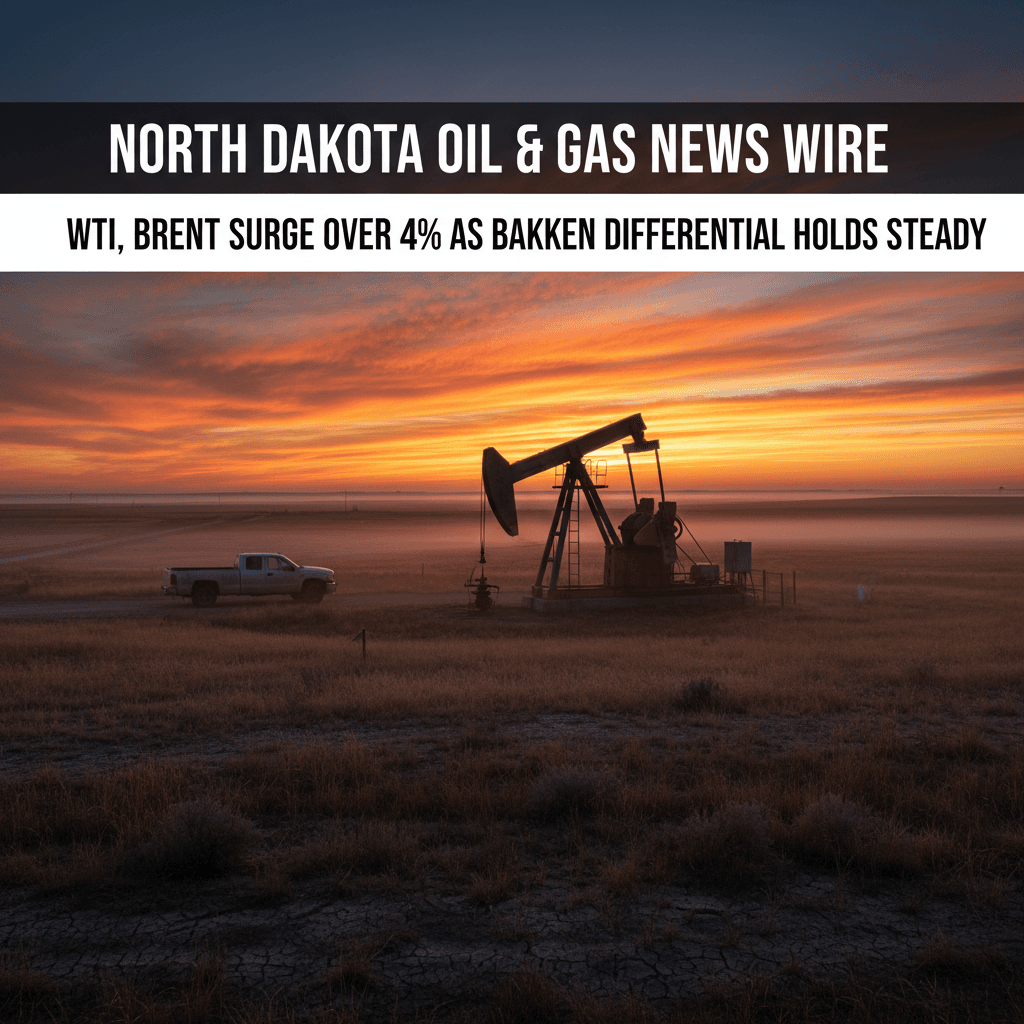
WTI falls below $71.50 as market digests lower long-term gasoline price outlook from EIA.
Front-month WTI crude oil futures traded at $71.41 per barrel on Sunday, July 12, down $0.67 or 0.93 percent from the previous settlement. The global benchmark Brent crude was at $76.01, down $0.29. The price for Bakken crude at the Clearbrook, Minnesota, hub was trading at a differential of $3.42 per barrel below WTI, according to live market data.
The modest decline in crude benchmarks follows a significant downward revision to long-term fuel price forecasts by a key government agency. According to Rigzone, the U.S. Energy Information Administration (EIA) cut its projection for U.S. regular gasoline prices for both 2026 and 2027 in its latest Short-Term Energy Outlook, published on July 10. Lower expected consumer fuel costs can signal weaker-than-anticipated demand or higher refinery output, applying downward pressure on the crude feedstock.
Natural gas prices also saw a decline, with the front-month contract trading at $2.94 per MMBtu, down $0.07. This continues a trend of relative weakness for the commodity, which remains sensitive to weather-driven demand and high storage levels.
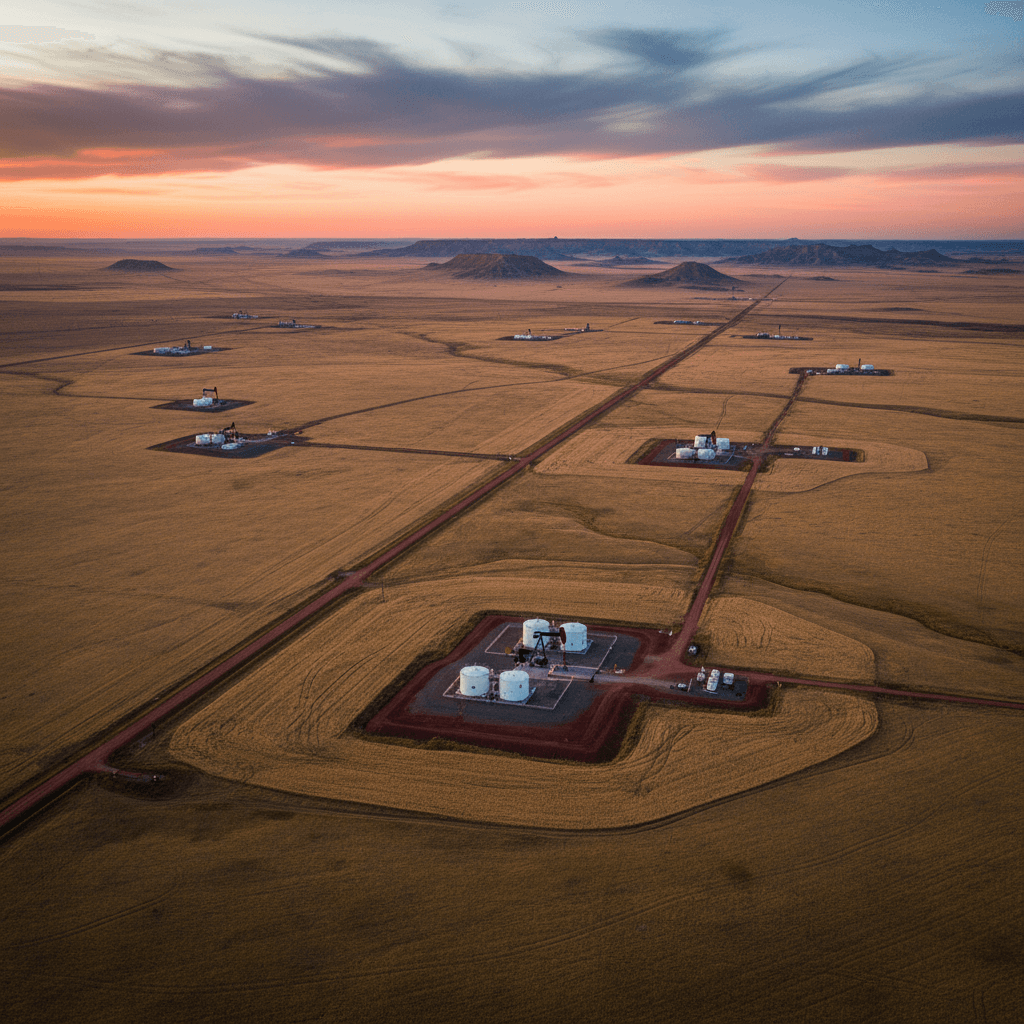
For Bakken operators, the current price environment presents a stable but muted revenue outlook. With WTI near $71 and the regional differential holding just above $3.40, wellhead prices for Bakken crude are approximately $68 per barrel. This price level is generally considered supportive for maintaining existing production but may constrain aggressive new drilling programs outside of the core, most economic acreage.
The EIA's reduced gasoline price forecast introduces a note of caution for the second half of 2026 and into 2027. While near-term crude prices are influenced by immediate factors like weekly inventory reports, geopolitical events, and OPEC+ production policy, long-term agency forecasts can influence investment and hedging decisions. Operators may view the updated outlook as a factor encouraging fiscal discipline and cost control.
Market participants will be watching for the next set of weekly inventory data from the EIA and the American Petroleum Institute for fresh signals on U.S. supply and demand balance. For North Dakota producers, the stability of the Bakken differential remains a critical component of cash flow, as it directly impacts the netback received for each barrel sold.
Source
Live price data, Rigzone report on EIA outlook published July 10, 2026.