Oil Retreats on Ceasefire Hopes, Venezuela Exports Hit 7-Year High
Global prices ease from multi-week highs as geopolitical tensions cool, while India's demand outlook is pressured by sustained $90 oil.
Oil prices pulled back early Tuesday after diplomatic efforts to de-escalate tensions in Lebanon calmed commodity markets, according to OilPrice.com. Brent crude for August delivery was down 1.7% to trade at $93.35 per barrel, while WTI crude for July delivery fell to $90.65/bbl. The retreat followed a claim by President Donald Trump on Truth Social that talks are advancing rapidly and that both Israel and Hezbollah had agreed to halt hostilities.
The Lebanese Embassy in Washington stated that Hezbollah had accepted the terms of a U.S. proposal for a mutual cessation of attacks, OilPrice.com reported. Despite this, Iranian state media reported that indirect communications with the U.S. had been suspended in protest over Israeli military operations in Lebanon. Traders appeared reluctant to make large directional bets, waiting for confirmation that any ceasefire effort can survive.
Meanwhile, sustained higher oil prices are projected to impact global demand dynamics. A report from Indian wealth manager 360 ONE Capital said that if oil prices average $90 per barrel through March 2027, India's inflation could accelerate to 4.8% and GDP growth would moderate to 6.3%, down from a previously expected 6.7%. India is the world’s third-biggest crude oil importer.
The Reserve Bank of India noted last week that the oil price surge poses near-term downside risks to economic growth and upside risks to inflation for the country, according to OilPrice.com. The central bank projected India’s real GDP growth for 2026-27 at 6.9%, with risks tilted to the downside.
In supply news, Venezuela’s oil exports hit a seven-year high in May, reaching an estimated 1.25 million barrels per day, OilPrice.com reported, citing Reuters data. This represents a 61% jump compared to May 2025. Exports have risen steadily since the U.S. took control over the country's oil sales following the capture of Nicolas Maduro early this year and eased sanctions.
The United States remained the top buyer of Venezuela’s crude in May, taking in about 558,000 bpd, followed by India with 427,000 bpd. India's imports of Venezuelan crude are at a six-year high as it turns to the South American producer amid Middle East supply concerns.
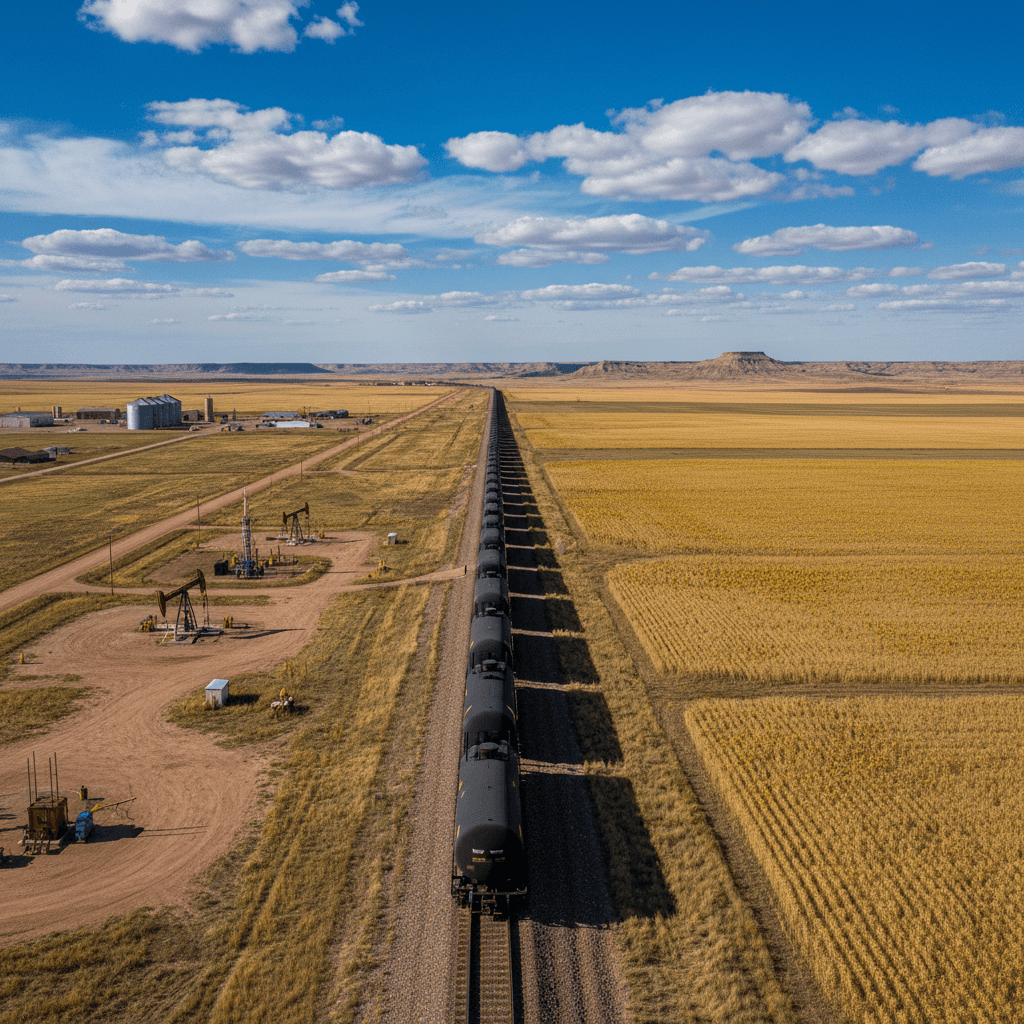
For Bakken operators, the market movement highlights the continued sensitivity of crude prices to Middle East geopolitics, with any de-escalation applying downward pressure. However, the analysis of demand impacts in major importing nations like India, coupled with rising supply from sources like Venezuela, contributes to a complex global balance for North Dakota's oil.
Source
OilPrice.com