WTI Crude--
Brent Crude--
Natural Gas--
ND Rig Count--
WTI Crude--
Brent Crude--
Natural Gas--
ND Rig Count--
Phillips 66, Partners Sanction Western Gateway Pipeline to Arizona - Bakken Wire
Pipeline & Infrastructure

Phillips 66, Partners Sanction Western Gateway Pipeline to Arizona

The 1,300-mile project aims to create a new supply route from the Midwest and Gulf Coast to Arizona and California.

Bakken Wire Staff·🔆Midday Wire·

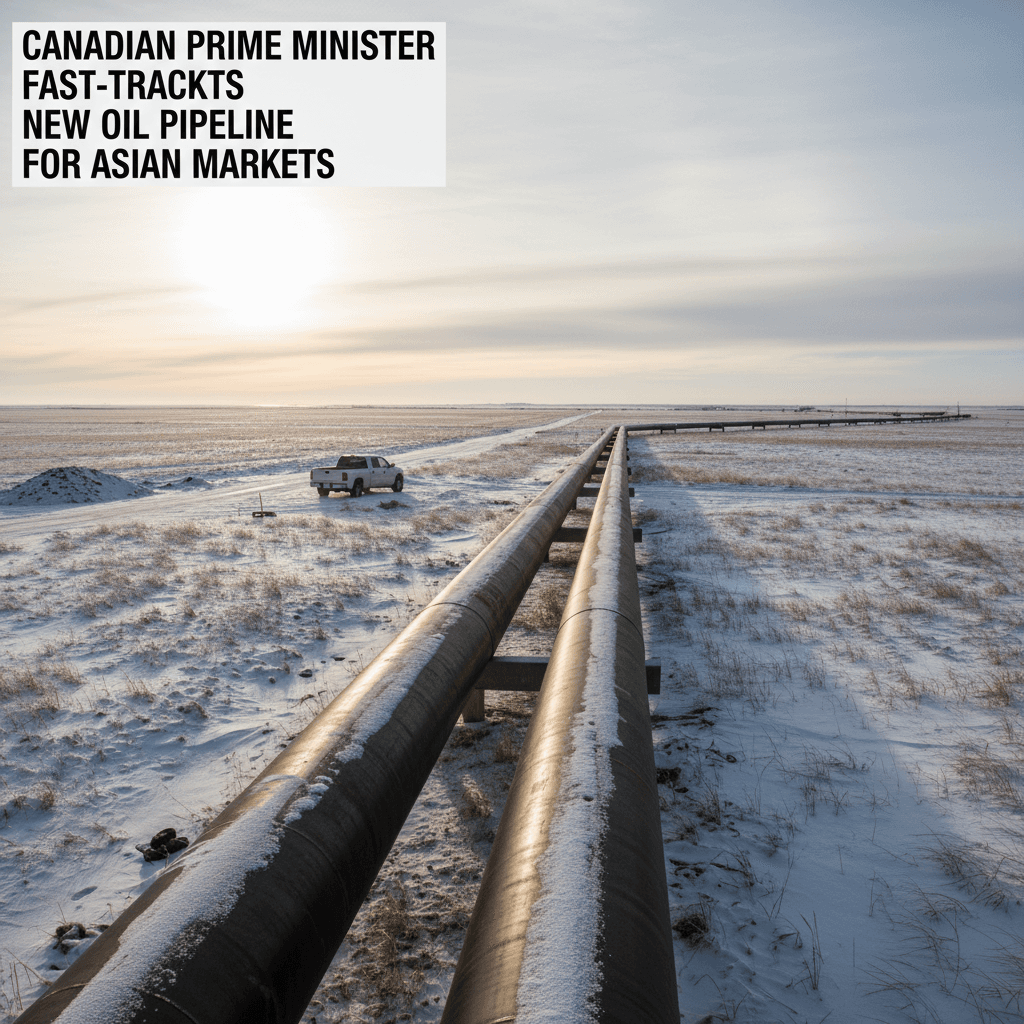
Phillips 66 and its partners have formally sanctioned the Western Gateway pipeline project, a 1,300-mile conduit intended to move oil from Texas to Arizona, according to a report from Rigzone. The project was sanctioned on Wednesday, August 12, 2026.

The pipeline, as reported by Rigzone, is designed to create a new fuel supply path originating from St. Louis, Missouri, and expanded Gulf Coast origin points, with destinations in Arizona and California. This represents a significant new piece of infrastructure aimed at serving markets in the southwestern United States.

For Bakken operators, the development of new long-haul pipeline capacity out of key market hubs like St. Louis and the Gulf Coast can have indirect but important implications. Increased pipeline connectivity from these hubs to demand centers on the West Coast can help alleviate broader market congestion and provide more optionality for crude oil shipments originating in or passing through the Midwest.

The Bakken formation in North Dakota is a major supplier of light sweet crude to the national market, much of which flows to the Cushing, Oklahoma, and Gulf Coast hubs. Enhanced pipeline routes from those hubs to California and Arizona could potentially open up or strengthen market outlets for Bakken crude that travels south. While the project's direct origin points are in Texas and Missouri, its ultimate effect is to increase the overall pipeline network's reach, which can benefit all shippers seeking access to West Coast refiners.

The sanctioning of the Western Gateway project underscores continued industry investment in pipeline infrastructure despite a shifting energy landscape. For North Dakota producers, the health of the national pipeline grid is critical for maintaining competitive access to diverse, high-value markets across the United States.

Source

Rigzone
pipelineinfrastructurephillips 66gulf coastmarket accesscaliforniaarizona

Share this article

Related Articles

Pipeline & Infrastructure

Decade Since DAPL Protests Began, Standing Rock Flashpoint Remembered

The world’s attention turned to North Dakota in early September 2016 as protests over the Dakota Access Pipeline (DAPL) intensified into a major standoff, according to a report from the Williston Herald. The conflict began after the U.S. Army Corps of Engineers approved plans for the $3.7 billion crude oil pipeline half a mile outside the Standing Rock Sioux Reservation. The decision pitted American energy interests against tribal sovereignty, according to the source. It sparked a grassroots movement where Indigenous protesters and allies argued the project threatened water, sacred sites, and the environment. Pipeline developers and state officials maintained that modern steel pipelines offered safer fossil-fuel transit than railroads or trucks. Thousands of Native Americans and climate activists flocked to the protest camps south of Bismarck. Public figures, including actors Shailene Woodley and Mark Ruffalo and the Rev. Jesse Jackson, arrived to show support. Activists employed various tactics, chaining themselves...

☀️Morning Wire·Sep 5
Pipeline & Infrastructure

DAPL Protests Reached Critical Flashpoint 10 Years Ago This Week

The protest movement against the Dakota Access Pipeline (DAPL) reached a major flashpoint ten years ago this week, according to a historical report. The $3.7 billion crude oil pipeline project, designed to transport Bakken oil, became a global symbol of conflict between energy development and Indigenous rights. The U.S. Army Corps of Engineers' approval of the pipeline's path half a mile outside the Standing Rock Sioux Reservation in early September 2016 ignited the intensified standoff. The Standing Rock Sioux Tribe, led by then-Chairman Dave Archambault II, argued the project threatened water sources, sacred sites, and the environment. The protest rapidly grew from a localized issue to a major gathering. Thousands of Indigenous people and allies from around the world flocked to the camp south of Bismarck. Public figures including actors Shailene Woodley and Mark Ruffalo and the Rev. Jesse Jackson arrived to show support, according to the report. The movement...

🌅Afternoon Wire·Sep 4
Standing Rock Pipeline Protests Reached Flashpoint 10 Years Ago This Week - Bakken Wire
Pipeline & Infrastructure

Standing Rock Pipeline Protests Reached Flashpoint 10 Years Ago This Week

The contentious standoff over the Dakota Access Pipeline reached a critical flashpoint in early September 2016, according to historical reports reviewed by Bakken Wire. The $3.7 billion pipeline project, designed to carry Bakken crude to market, ignited a global protest movement after receiving U.S. Army Corps of Engineers approval. The decision pitted American energy against tribal sovereignty, according to the report. The Standing Rock Sioux Tribe and thousands of Indigenous and allied protesters argued the pipeline threatened water, sacred sites, and the environment. Developers and state officials maintained that modern steel pipelines offered safer fossil-fuel transit than railroads or trucks. The protests, initially smaller, intensified dramatically. By early September 2016, thousands of activists had flocked to the plains south of Bismarck. Public figures, including actors Shailene Woodley and Mark Ruffalo and the Rev. Jesse Jackson, arrived in North Dakota to support the tribe. Protesters chained themselves to equipment, built resistance...

🔆Midday Wire·Sep 4