Rig Count Steady at 27 as High Prices Support Bakken Stability
North Dakota's active drilling fleet remains near a multi-year plateau, suggesting a cautious production outlook despite strong oil prices.
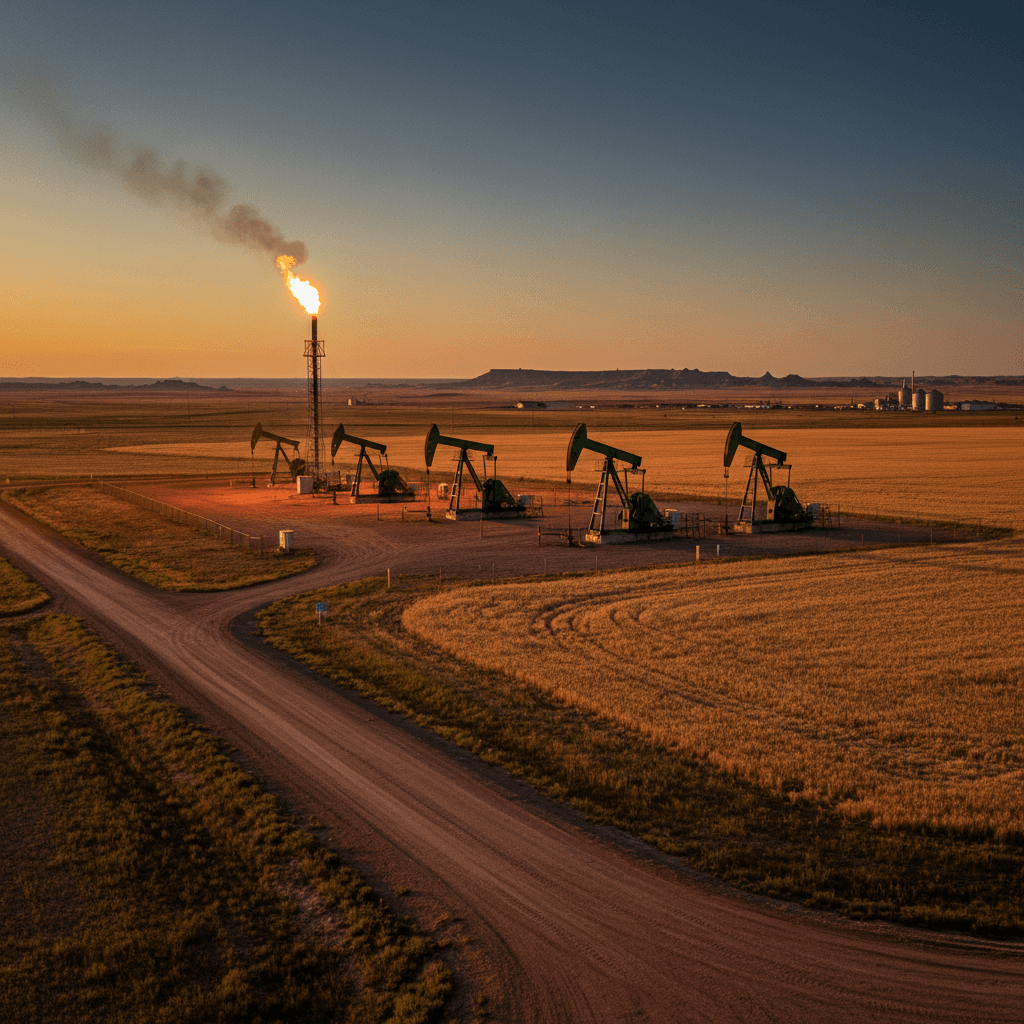
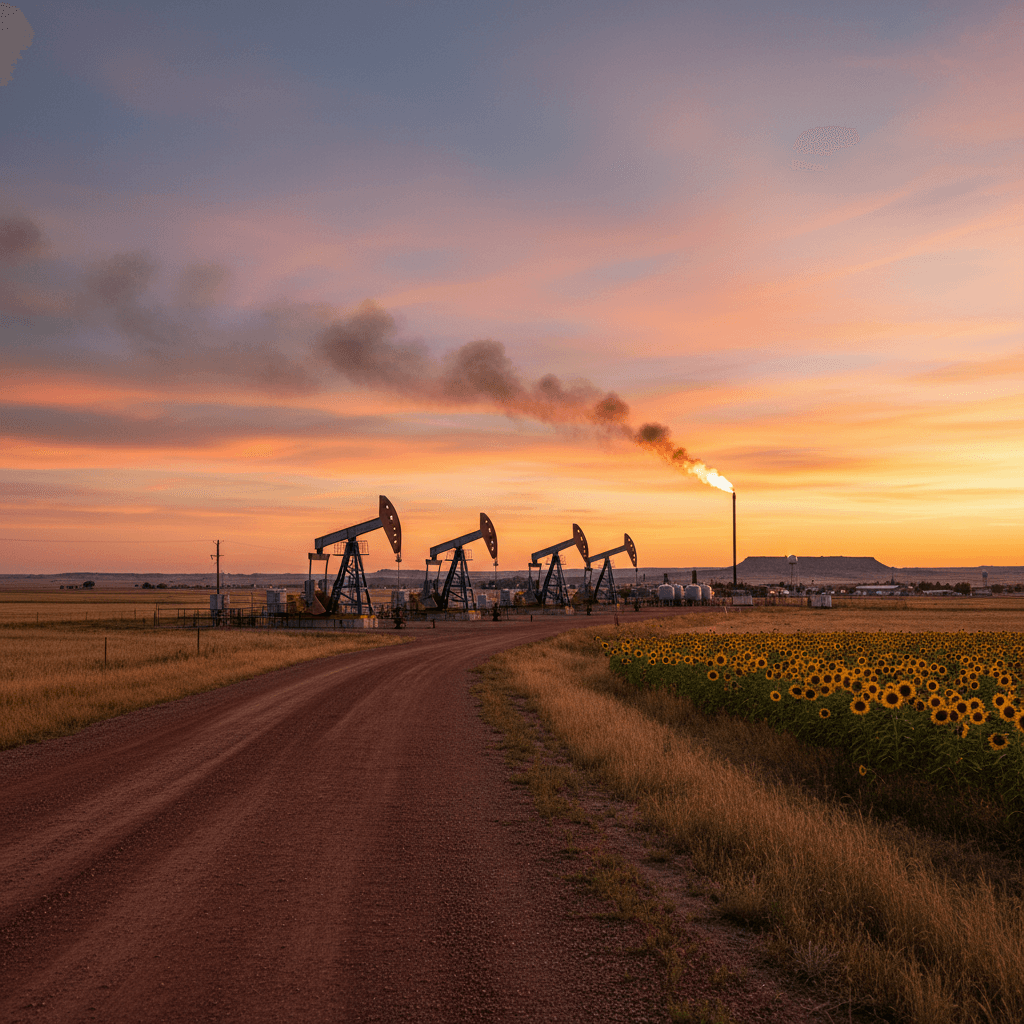
North Dakota's active oil and gas drilling rig count held steady at 27 for the week, according to midday data from Bakken Wire. The figure remains near the low plateau observed over the past year, signaling a continued focus on capital discipline by operators despite a significant midday price rally.
West Texas Intermediate crude surged to $90.82 per barrel, a gain of $2.62 or 2.97%, while the international Brent benchmark rose to $93.87. The Bakken crude differential narrowed to a discount of $3.42 per barrel compared to WTI. Natural gas was priced at $3.22 per MMBtu.
The current rig count of 27 provides a key indicator for near-term production trends. Historically, the number of active drilling rigs is a leading indicator for future oil output, as new wells take months to drill, complete, and bring online. The current level, which is a fraction of the historic peak seen in the early 2010s, suggests that any significant near-term production growth in the Bakken formation is unlikely.
Operators have maintained a restrained approach to adding rigs even as oil prices have strengthened, prioritizing shareholder returns and debt reduction over aggressive volume growth. The sustained high commodity prices, with WTI flirting with the $91 mark, provide a strong economic backdrop for existing operations and likely support steady completion activity for drilled but uncompleted wells (DUCs).
The stable rig fleet indicates that production levels should remain relatively flat in the coming months, barring significant changes in completion activity or well productivity. North Dakota's output has been characterized by high well-level efficiency offsetting a lower overall rig count, allowing the state to maintain its position as a top U.S. oil producer.
For royalty owners and service companies, the current environment suggests continuity. High prices bolster cash flows for operators and royalty checks for mineral owners, while the static rig count implies a steady but not expanding demand for drilling and pressure pumping services in the Williston Basin.
The outlook hinges on maintaining current price levels. Any sustained move above $95 WTI could test operators' capital discipline, while a sharp downturn could pressure the already-minimal rig count lower. For now, the data points to a period of Bakken production stability.
Source
Bakken Wire Live Data as of midday, June 10, 2026