Russian Output Drops Amid Ukraine Strikes, Global Market Tightens
OPEC data shows Russian crude production fell to a one-year low in May, supporting global oil prices that underpin Bakken economics.
Global oil markets tightened in May as Russian crude output fell to its lowest level in a year, according to data reported by OPEC. The development, reported by Rigzone, supports the price environment crucial for Bakken shale operators in North Dakota.
Russian producers pumped an average of 9.009 million barrels per day of crude in May, Rigzone reported, citing OPEC data. The decline was attributed to Ukrainian strikes on energy infrastructure.
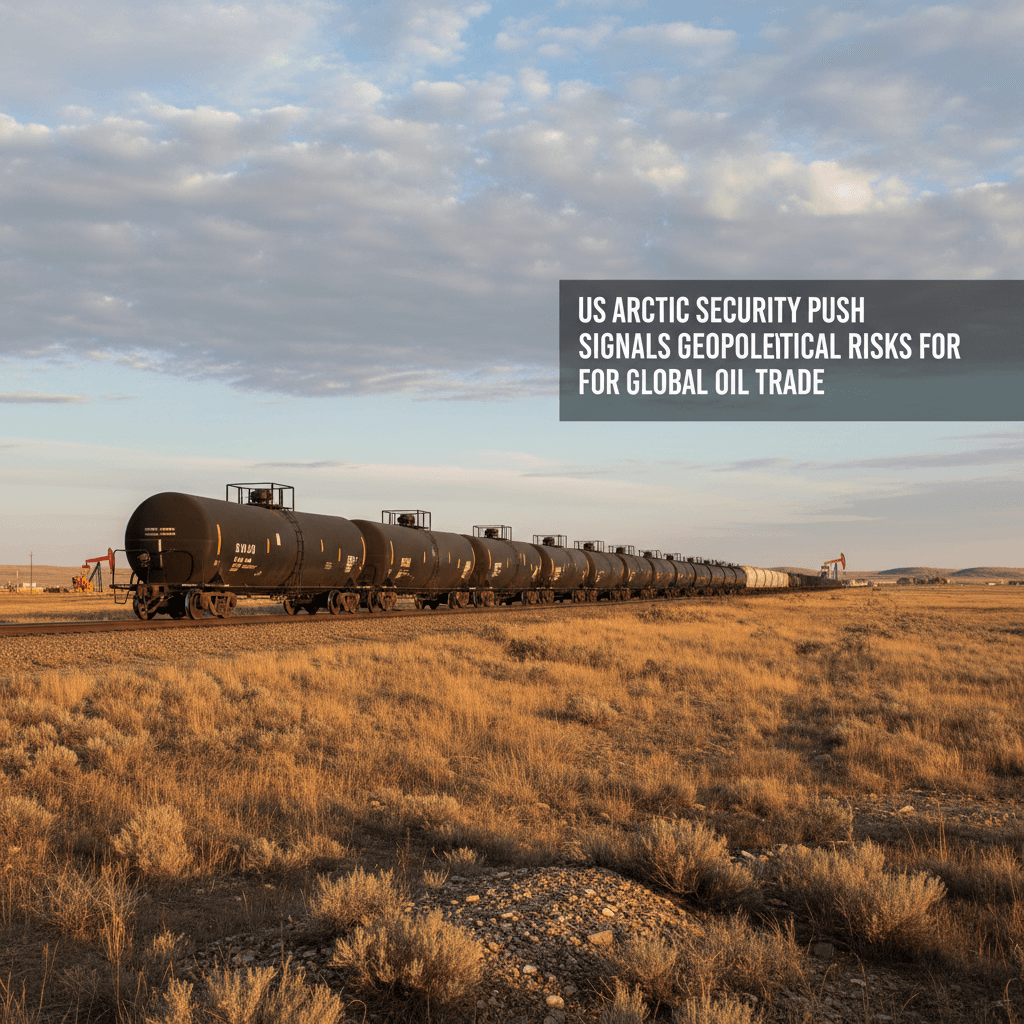
For Bakken operators, sustained global supply constraints are a key factor in maintaining profitable drilling and completion activity. The Bakken formation is a price-sensitive play, and its output economics are directly tied to global benchmark prices like West Texas Intermediate (WTI). Supply disruptions in major producing nations like Russia typically provide upward pressure on those benchmarks.
While the Bakken Wire does not report specific price projections, the fundamental reduction in global supply is a supportive market signal. Higher sustained oil prices improve cash flow for operators, which can influence decisions on capital spending and rig deployment across the Williston Basin.
The news underscores the interconnected nature of the global oil market and how geopolitical events far from North Dakota can impact local drilling plans and royalty income. The Bakken remains one of the United States' top oil-producing regions, and its output helps balance global markets affected by such disruptions.
Market observers will be watching for whether the production decline in Russia is sustained and how other OPEC+ nations respond. The group's management of its own output quotas will also interact with these involuntary cuts to shape the supply landscape for the remainder of 2026.
Source
Rigzone reported OPEC data showing Russian crude output averaged 9.009 million barrels per day in May, its lowest in a year amid Ukrainian strikes.