Russia's Fuel Crisis, Global Tensions Highlight Bakken's Market Stability
Ukrainian drone strikes cripple Russian refining, creating global fuel supply uncertainty as China calls for Hormuz security, underscoring the strategic value of secure domestic production.
Russia, one of the world's largest oil producers, is preparing to import jet fuel, according to a report from OilPrice.com. The country is set to receive at least 200,000 barrels of jet fuel originating in Japan, a stark reversal for a nation that was recently an exporter of aviation fuel. This move underscores the severe disruption to Russia's refining system from ongoing Ukrainian drone strikes.
The crisis has forced Russia to ban most jet fuel exports through November to preserve domestic supplies. Production has been squeezed, with Russian jet fuel exports falling to about 13,000 barrels per day this year, down from roughly 30,000 bpd in 2025, according to Kpler data cited in the report. The shortages are spreading, with Uzbekistan Airways reducing flights to Russia and Kazakhstan exploring fuel imports from China.
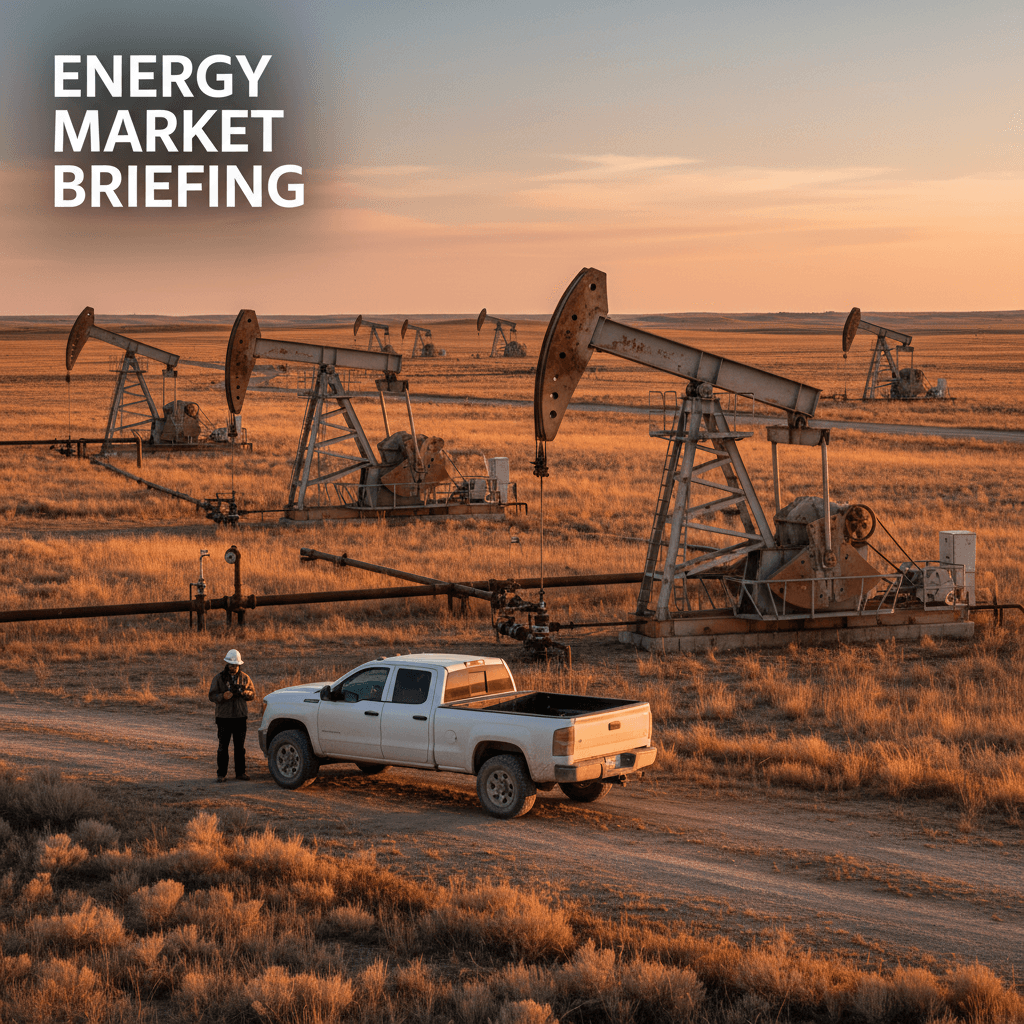
For Bakken operators and North Dakota royalty owners, the situation highlights the volatility of global fuel supply chains and the strategic importance of stable, secure domestic production. While the Bakken is primarily an oil-producing region, global disruptions in refined products like jet fuel and diesel can influence broader energy market sentiment and pricing structures. The instability in a major producer like Russia reinforces the value of the United States' internal energy infrastructure.
Separately, China has called for the "unhindered flow" of shipping through the critical Strait of Hormuz, according to Rigzone. This key chokepoint for global seaborne oil trade is a perennial flashpoint, and any threat to transit can cause immediate price volatility in international crude benchmarks, which influence the price of Bakken crude.
The convergence of these two reports—a deepening refining crisis in a major oil state and renewed diplomatic focus on a vital maritime transit route—creates a backdrop of global supply uncertainty. Ukrainian President Volodymyr Zelensky has pledged to intensify strikes on Russia's energy infrastructure, meaning these refining constraints may persist.
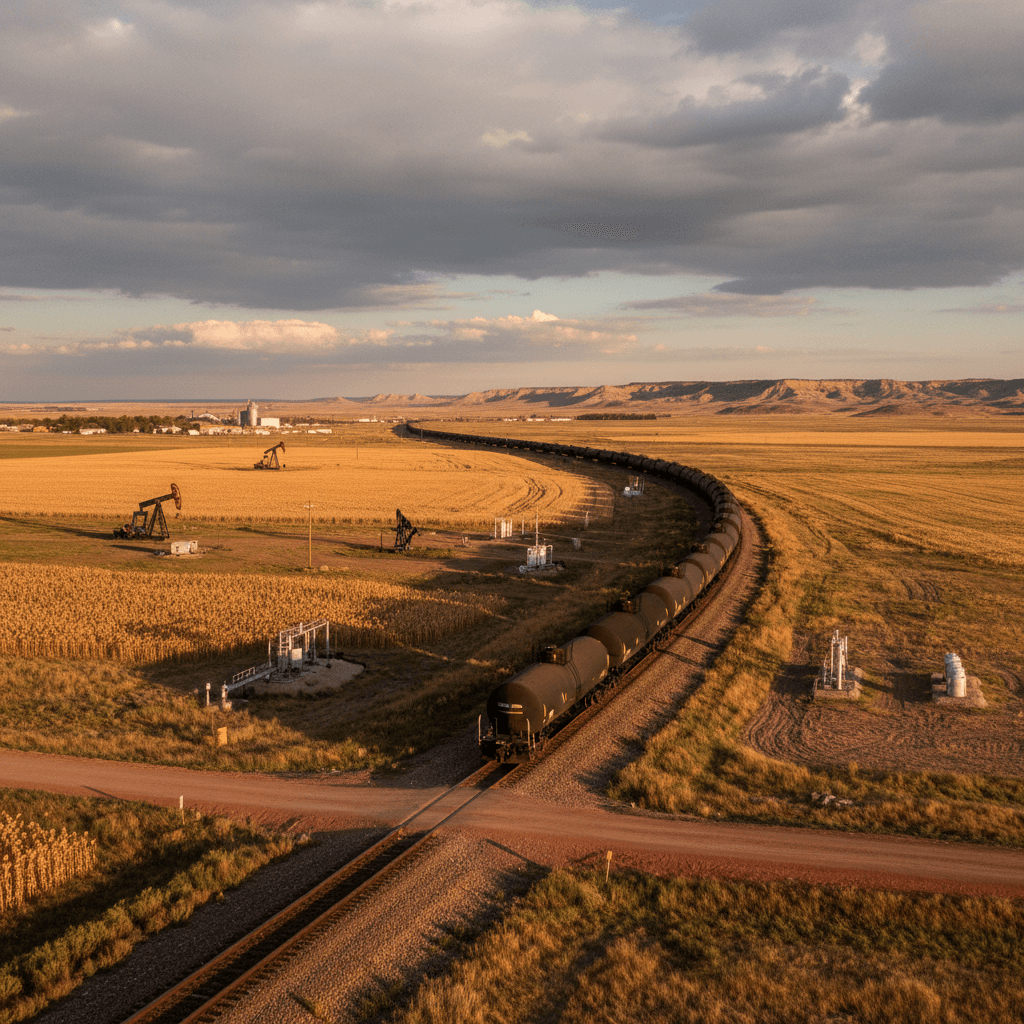
For the Bakken, this environment underscores the basin's role as a reliable source of crude oil from a geopolitically stable region. While direct impacts on Bakken crude flows may be indirect, sustained global supply dislocations typically provide underlying support for North American oil prices. The events illustrate how geopolitical strife thousands of miles away can underscore the fundamental value of secure, domestic production from basins like the Bakken.
Source
According to OilPrice.com and Rigzone.