WTI Crude--
Brent Crude--
Natural Gas--
ND Rig Count--
WTI Crude--
Brent Crude--
Natural Gas--
ND Rig Count--
Saudi Price Cut, Slower M&A, and Phillips 66 Results Frame Bakken Outlook - Bakken Wire
Pipeline & Infrastructure

Saudi Price Cut, Slower M&A, and Phillips 66 Results Frame Bakken Outlook

Global price pressure and domestic deal slowdown contrast with strong midstream performance in the latest industry reports.

Bakken Wire Staff·☀️Morning Wire·

Saudi Arabia has cut the price of its main crude oil grade, according to a report from Rigzone. The move comes as some Persian Gulf producers continue to send barrels through the Strait of Hormuz. For Bakken producers, this signals ongoing competitive pressure from global suppliers, which can influence the pricing benchmarks for the light sweet crude produced in North Dakota.

Separately, U.S. upstream merger and acquisition activity slowed in the second quarter of 2026, Rigzone reported, citing an announcement from Enverus Intelligence Research. A slowdown in deal-making among oil and gas producers can reflect market uncertainty or a focus on consolidating recent acquisitions, potentially leading to a period of reduced corporate activity for operators in the Williston Basin.

In contrast to these broader market signals, Phillips 66 posted strong quarterly results. The company reported increases in refining margins, plant utilization, and natural gas liquids pipeline and fractionation volumes, Rigzone reported. This performance is a positive indicator for midstream infrastructure, which is critical for moving and processing Bakken hydrocarbons. Robust NGL pipeline volumes suggest healthy production flow from the basin to downstream markets.

These combined reports paint a mixed picture for the Bakken. While global crude price adjustments from major exporters like Saudi Arabia can create headwinds for wellhead economics, strength in the midstream sector provides essential market access and can improve netbacks for producers. The reported slowdown in upstream M&A may indicate a more cautious investment environment following a period of consolidation in the play.

Source

According to Rigzone reports published August 6, 2026.
crude oil pricesmergers and acquisitionsmidstreamphillips 66saudi arabiaenverus

Share this article

Related Articles

Standing Rock Pipeline Protests Mark 10-Year Anniversary, Recalling 2016 Flashpoint - Bakken Wire
Pipeline & Infrastructure

Standing Rock Pipeline Protests Mark 10-Year Anniversary, Recalling 2016 Flashpoint

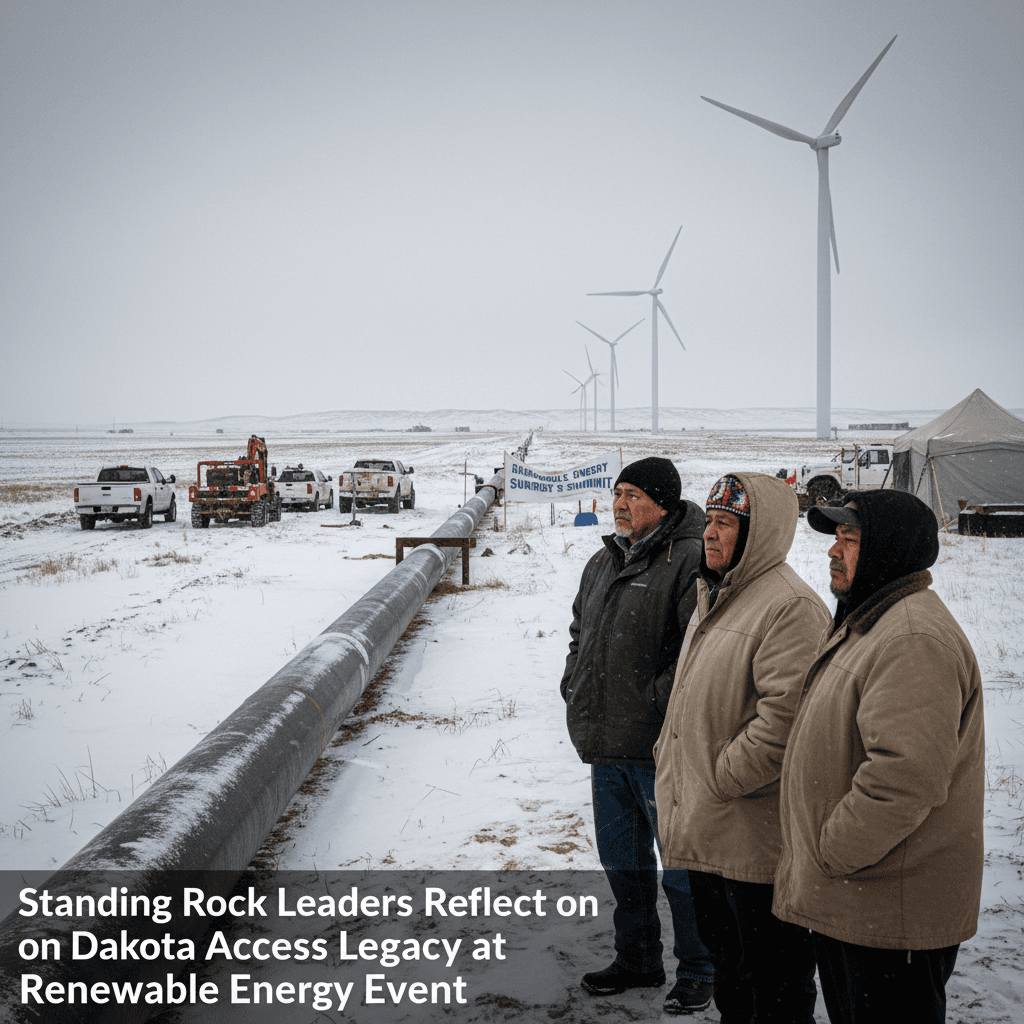
The protests over the Dakota Access Pipeline (DAPL) reached a critical flashpoint in early September 2016, an event marking its 10-year anniversary this week, according to a report from the North Dakota Monitor. The $3.7 billion crude oil pipeline project ignited a months-long conflict after the U.S. Army Corps of Engineers approved its route half a mile outside the Standing Rock Sioux Reservation. The decision framed a national debate pitting American energy infrastructure against tribal sovereignty and environmental concerns. While developers and state officials argued modern steel pipelines were safer for fossil-fuel transit than railroads or trucks, the Standing Rock Sioux Tribe and a growing movement of allies contended the project threatened water sources, sacred sites, and the environment. What began as a smaller protest swelled into a major encampment south of Bismarck, drawing thousands of Indigenous people and activists from around the world. High-profile supporters, including actors Shailene Woodley...

🔆Midday Wire·Sep 6
Pipeline & Infrastructure

Decade Since DAPL Protests Began, Standing Rock Flashpoint Remembered

This week marks ten years since protests over the Dakota Access Pipeline (DAPL) intensified into a major conflict at the Standing Rock Sioux Reservation in North Dakota. According to a report from the Williston Herald, the world's attention turned to the state in early September 2016 after the U.S. Army Corps of Engineers approved plans for the $3.7 billion crude oil pipeline half a mile outside the reservation. The decision sparked a months-long standoff that pitted American energy development against tribal sovereignty. A grassroots movement of Indigenous protesters and allies from around the world argued the project threatened water supplies, sacred tribal sites, and the environment. Developers and state officials, meanwhile, maintained that modern steel pipelines offered safer fossil-fuel transit than railroads or trucks. Thousands of people, including Native Americans and climate activists, flocked to the plains south of Bismarck. Their numbers grew to the point of threatening to overwhelm...

☀️Morning Wire·Sep 6
Pipeline & Infrastructure

Standing Rock Pipeline Protests Reached Critical Flashpoint 10 Years Ago

The protest movement against the Dakota Access Pipeline (DAPL) reached a major flashpoint in early September 2016, drawing thousands to the Standing Rock Sioux Reservation and igniting a national debate over energy and tribal rights. According to a report from the North Dakota Monitor via Bing News, the conflict intensified after the U.S. Army Corps of Engineers approved plans for the $3.7 billion crude oil pipeline to run half a mile outside the reservation. The project created a stark confrontation between American energy infrastructure and tribal sovereignty. Pipeline developers and state officials argued that modern steel pipelines offered safer fossil-fuel transit than railroads or trucks. Meanwhile, the Standing Rock Sioux Tribe, led by then-Chairman Dave Archambault II, and allies contended the pipeline threatened water sources, sacred sites, and the environment. What began as a smaller protest swelled into a major encampment on the plains south of Bismarck. Thousands of Indigenous...

🌅Afternoon Wire·Sep 5