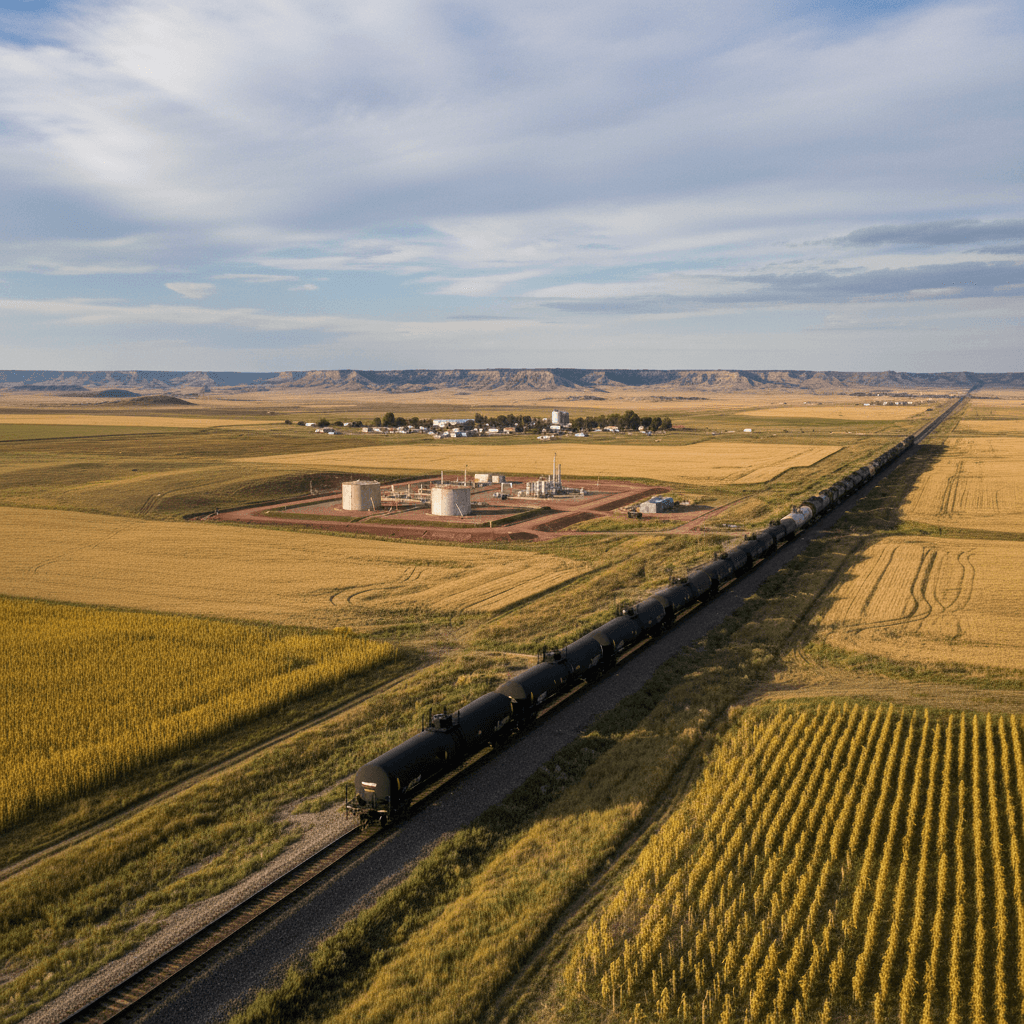
Shale Boosts Output Amid $100 Oil, as Geologic Hydrogen Emerges
U.S. drillers tap DUCs for cautious growth while new research suggests a potential future competitor in clean fuels.
U.S. shale producers are increasing output to respond to a war-driven energy crunch, with oil prices seen holding near $100 a barrel through 2026, according to market participants cited by Rigzone. This price environment is prompting a measured production response from the industry.
According to OilPrice.com, drillers across the shale patch are adding rigs again, a sign of changing sentiment after years of capital discipline. In the second week of May, the industry added five rigs for a total of 551, though this remains 25 rigs lower than the same period a year ago. The report notes that caution persists even as U.S. oil exports reach record highs.
Much of the immediate production boost is coming from drilled but uncompleted wells (DUCs), which offer a quicker and more capital-efficient way to increase output without committing to a full new drilling cycle. This growth is concentrated almost entirely in the Permian Basin, the report states. However, the Energy Information Administration has previously cited field maturation and rig attrition outpacing productivity gains as constraints on long-term growth.
Separately, a new report highlights a potential long-term energy development: geologic hydrogen. An article from OilPrice.com details an emerging field focused on harvesting naturally occurring hydrogen from underground reservoirs. A startup in Quebec, Canada, is working on the approach, which could produce clean fuel for less than $1 per kilogram. Madeline Schomburg of the Energy Futures Initiative told the New York Times the technology "could be transformational if we can figure it out," noting the high potential rewards justify exploration.
This research comes as confidence in conventional green hydrogen has waned. A 2025 study found less than a tenth of planned green hydrogen projects were completed on schedule, with high costs and inefficiencies challenging its role as a universal decarbonization tool.
For Bakken operators, the current landscape presents a familiar dynamic of high prices driving cautious activity, balanced against enduring concerns about basin maturity and capital discipline. The developments in geologic hydrogen represent a distant but monitored shift in the broader energy technology landscape.
Source
OilPrice.com, Rigzone