Shell Plans $1B Wind Farm Sale; Oil Drops to Four-Month Low
Major operator shifts focus as geopolitical developments pressure crude prices, while a Pacific waste-to-energy project is blocked.
Shell is preparing to launch a sale of its offshore wind farms in a move away from renewable energy to focus on its higher-returning fossil fuel business, according to Rigzone. The potential sale is valued at approximately $1 billion.
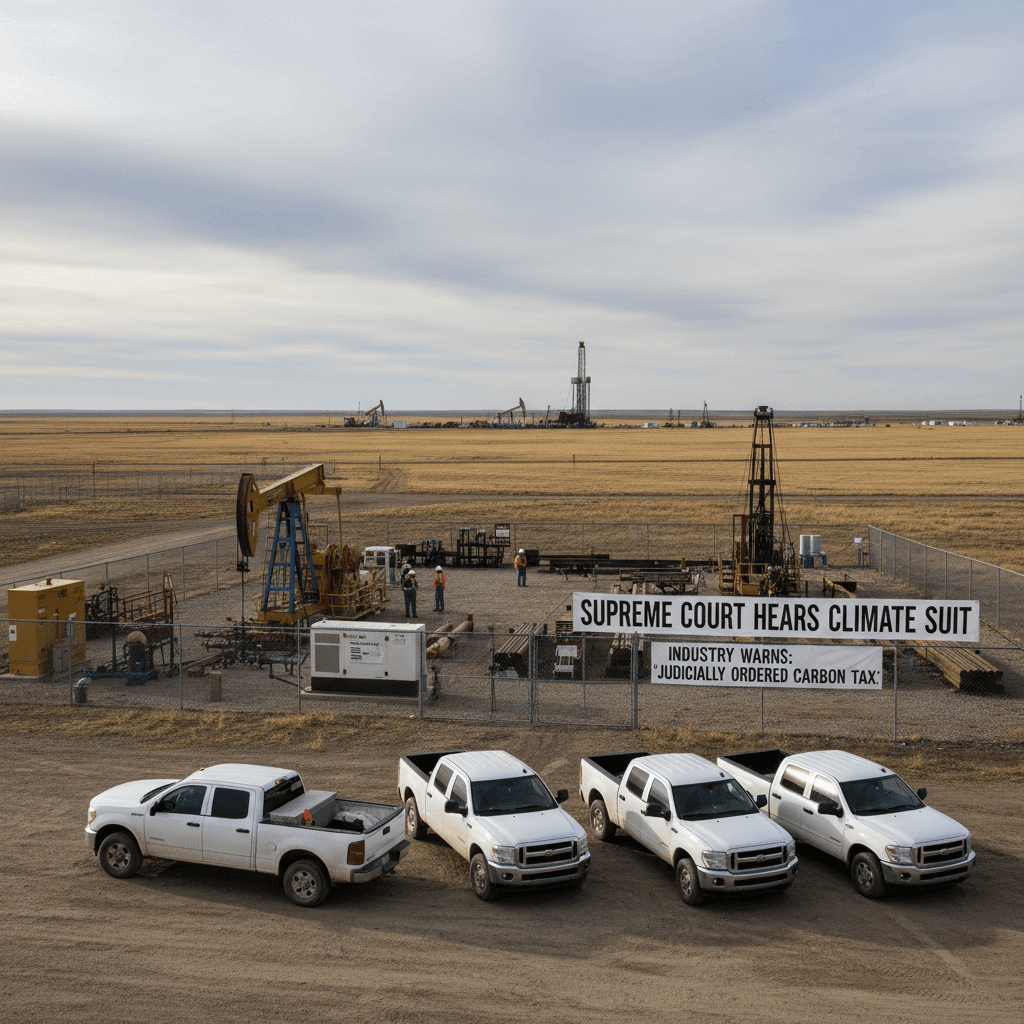
This strategic pivot by a major international operator comes as crude oil markets face significant pressure. Oil prices fell sharply to a four-month low on June 12, as hopes grew for a Hormuz reopening agreement between the US and Iran, Rigzone reported.
Separately, a controversial waste-to-energy proposal in the South Pacific has been rejected. Fiji has blocked a plan proposed by Australian billionaire Ian Malouf and business partner Rob Cromb to ship up to 900,000 tonnes of non-recyclable rubbish from Australia to be incinerated for energy, according to OilPrice.com. The project, proposed by their company Next Generation Holding (TNG), was pitched as a way to meet 40% of Fiji's electricity needs and reduce diesel reliance.
The Fijian government rejected the proposal, citing concerns over the project's scale, imported waste, hazardous ash management, and public health risks. An environmental impact statement from TNG revealed the project would likely increase Fiji’s emissions by up to 25%. Fijian ambassador to the UN, Filipo Tarakinikini, opposed the plan, stating the country "must not become the Pacific’s ashtray" and warning that "Ash residue and dioxins would contaminate the food chain."
Traditional landowners and tourism operators also criticized the project, labeling it "waste imperialism." Landowner Inoke Tora argued the project threatened local villages and fishing. Fiji’s secretary for the environment, Sivendra Michael, stated the department "was not satisfied that the potential impacts and risks of the project could be adequately assessed or managed."
The proposal would have also breached a 1998 convention signed by Australia that prohibits shipping hazardous waste to Pacific island countries.
For Bakken operators, the news highlights a contrasting energy landscape. Shell's planned divestiture signals a continued corporate emphasis on hydrocarbon returns, potentially reinforcing investment in core oil and gas basins. However, the sharp drop in oil prices, driven by potential geopolitical easing in the Middle East, introduces immediate price volatility and uncertainty for North Dakota producers. The failed Fiji project underscores the complex social and environmental hurdles facing new energy infrastructure projects globally, even those aimed at reducing diesel dependency—a relevant consideration for remote operations.
Source
According to Rigzone and OilPrice.com.