States Retreat from 2030 Climate Goals Amid High Costs, Federal Shift
New York, Massachusetts, Rhode Island revise targets, citing affordability and federal policy changes, easing regulatory pressure on fossil fuels.
Several U.S. states are scaling back or rethinking their 2030 climate targets as costs surge and federal support for renewable energy fades, according to a report from OilPrice.com. This marks a significant shift from the Biden-era green transition policy aims that spurred ambitious state-level climate initiatives.
The governor of New York, Kathy Hochul, recently admitted the state’s goal for significantly reducing emissions by 2030 is now unattainable, OilPrice.com reported. This means the legislature must revise its climate law. In Massachusetts, the state is expected to make cuts to a programme that puts charges on utility bills to invest in heat pumps and efficiency upgrades due to concerns over rising consumer costs.
Other states are significantly pushing back deadlines. In Rhode Island, Governor Dan McKee has proposed delaying a legal deadline for attaining all electricity from renewable sources from 2033 to 2050, according to the report. The move aims to avoid increasing short-term consumer energy costs to support green energy construction.
The report states this reversal is largely driven by growing voter concern about affordability, exacerbated by the U.S.-Israeli attack on Iran and the ongoing Middle East conflict, which has driven up global fossil fuel costs. Many governors, while still supportive of climate initiatives, have had to adapt policies to address these rising consumer energy costs.
Between 2021 and 2025, the Biden administration introduced policies like the 2022 Inflation Reduction Act (IRA) to spur a nationwide green transition. However, as the Trump administration deters investment in renewable energy and weakens U.S. environmental rules, several states now view their climate goals as increasingly unachievable, OilPrice.com reported.
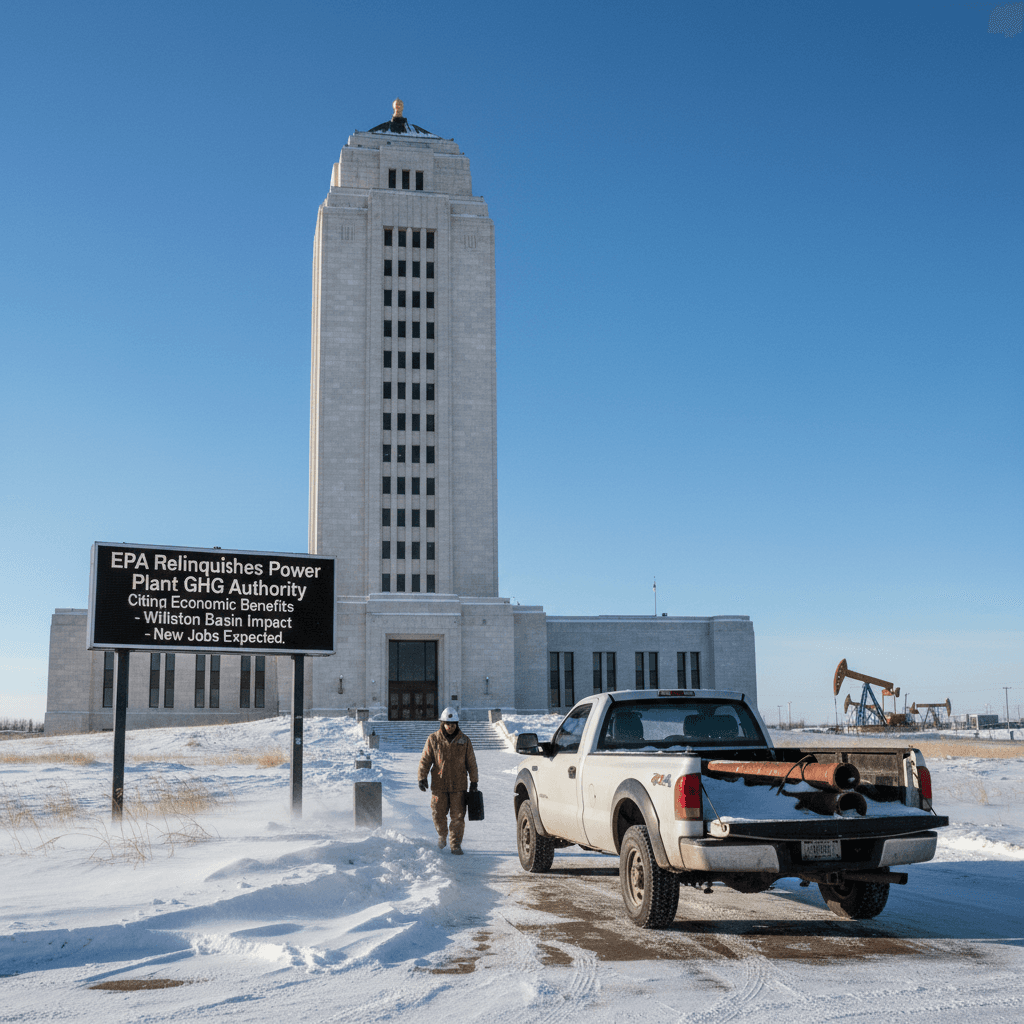
For North Dakota and Bakken operators, this national trend of retreating state climate goals may reduce the near-term regulatory and competitive pressure from aggressive renewable energy mandates in other regions. The scaling back of programmes that increase consumer costs to fund renewables could help maintain demand for more affordable, reliable energy sources like natural gas and oil from the Bakken formation.
The explicit link drawn between geopolitical conflict, fossil fuel costs, and voter affordability concerns underscores the continued economic argument for domestic hydrocarbon production. As states like New York and Massachusetts recalibrate, the national energy policy landscape appears to be entering a phase where practical affordability is taking precedence over ambitious decarbonization timelines set just a few years ago.
Source
OilPrice.com