Strait Closure, Standing Rock Legacy Mark Global Energy Landscape
Hormuz blockade sustains high oil prices; DAPL flows grow as Standing Rock commemorates 10-year anniversary.
Global oil prices remained elevated Friday as a stalemate over the Strait of Hormuz persisted, while in North Dakota, the Dakota Access Pipeline (DAPL) continues to operate ten years after the historic Standing Rock protests, according to recent reports.
The key Middle Eastern waterway remains effectively closed, with both Iran and the US maintaining restrictions. Iran delivered a new proposal to Washington via Pakistan on Friday, but its contents were not disclosed, Rigzone reported. US President Donald Trump vowed to maintain a naval blockade of Iranian ports, claiming it deprives Tehran of oil revenue. Iran's Parliament Speaker Mohammad Bagher Ghalibaf said the blockade would further push up oil prices.
Brent crude traded around $110 a barrel on Friday, according to Rigzone, while West Texas Intermediate settled near $102, notching a second straight weekly gain of roughly 8%. Analysts cited the prolonged closure of the Strait of Hormuz, which previously handled about a fifth of the world's oil and LNG, as a primary driver. "The market has started to wake up to the reality that it might take longer before oil starts flowing through the strait again," said Danske Bank strategist Jens Naervig Pedersen.
Chevron CEO Mike Wirth expressed concern about global oil supplies running dry and the threat to fuel demand, stating "The global energy system continues to be under extreme stress," Rigzone reported.
Meanwhile, a decade after the start of the Standing Rock movement, the Dakota Access Pipeline continues to funnel between half a million and 750,000 gallons of crude oil per day and has plans to increase that amount to more than 1 million gallons a day, according to a report from ICT published May 1. The 1,176-mile pipeline, which crosses the Missouri River less than a mile from the Standing Rock Sioux Tribe reservation, sparked nearly a year of organized resistance beginning in 2016.
Janet Alkire, former chairwoman of the Standing Rock Sioux Tribe (2021-2025), called the movement "an awakening in regards to protests that this country hasn’t seen since the Civil Rights Movement." Doug Crow Ghost, the tribe's current water resources director, said the tribe plans to continue to challenge Energy Transfer and the Army Corps to provide information about the pipeline's condition and any leaks.
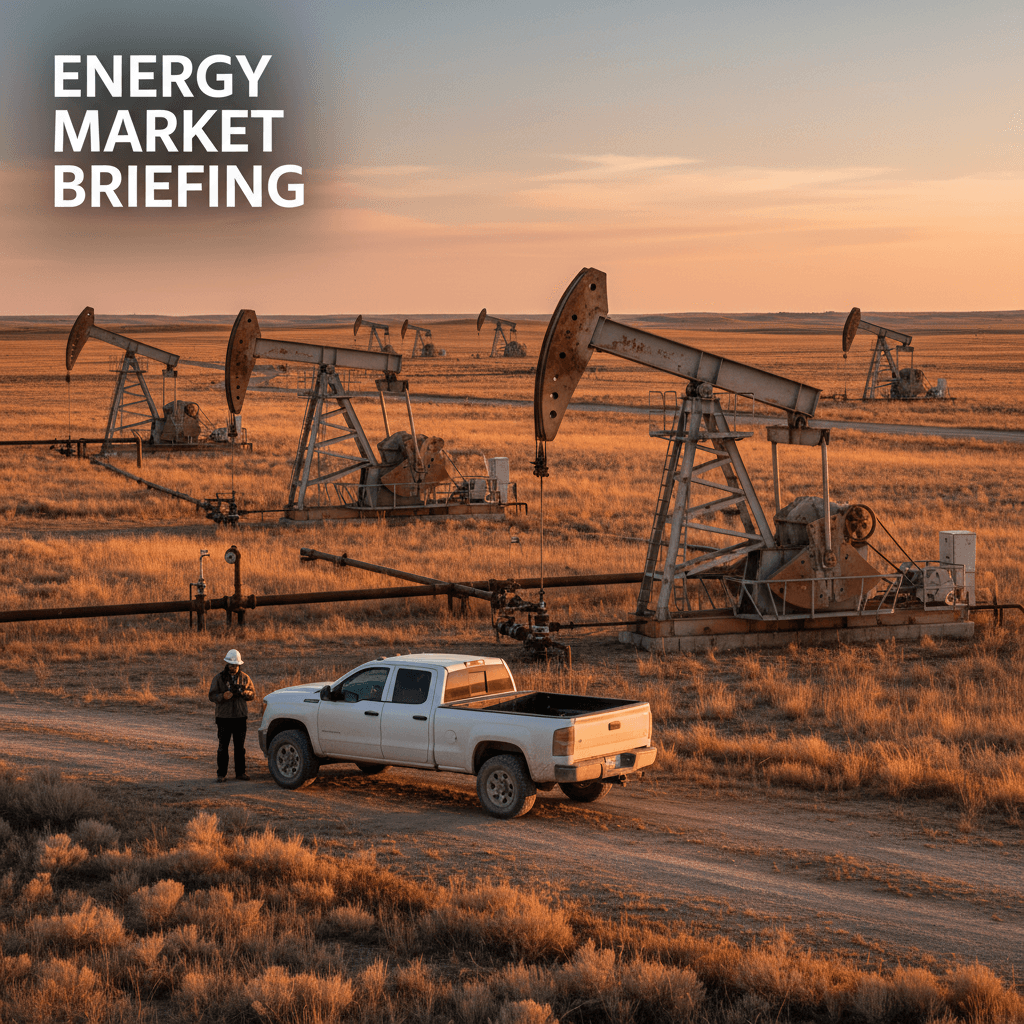
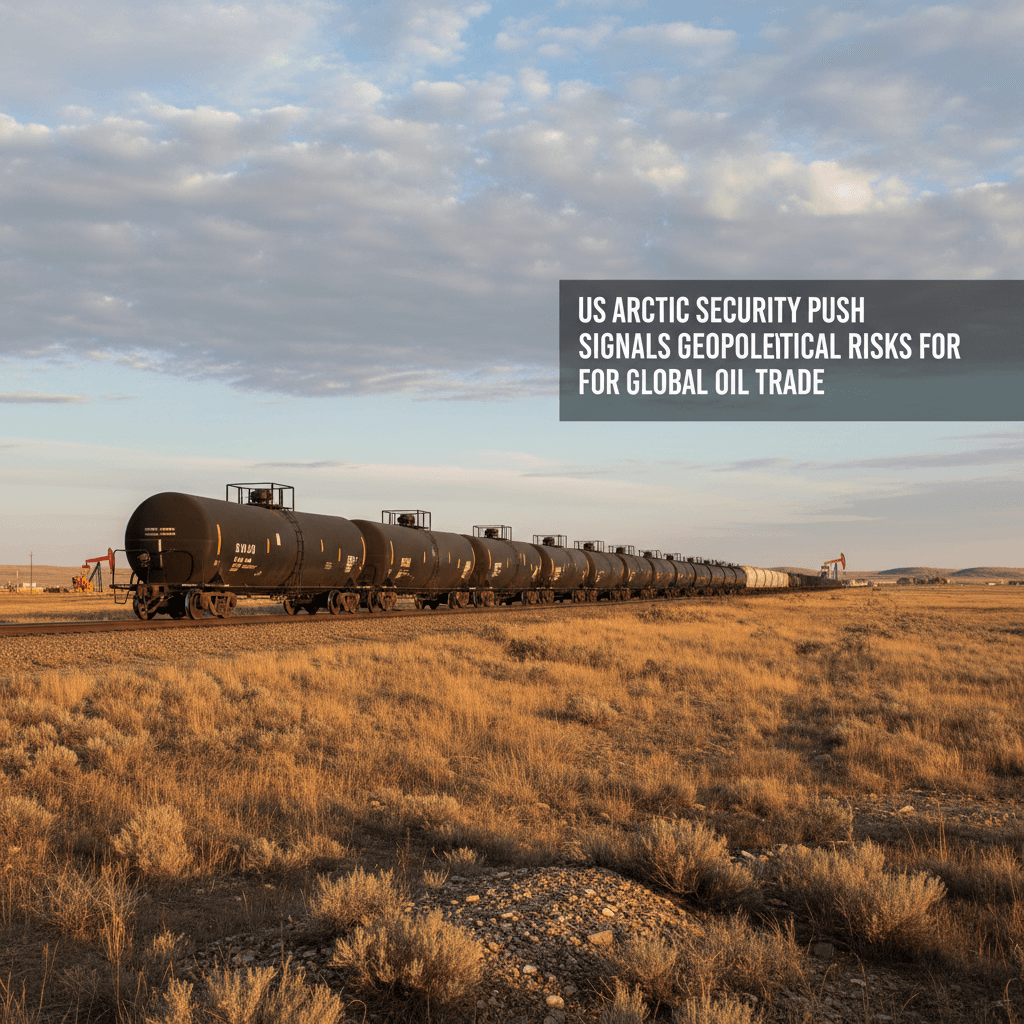
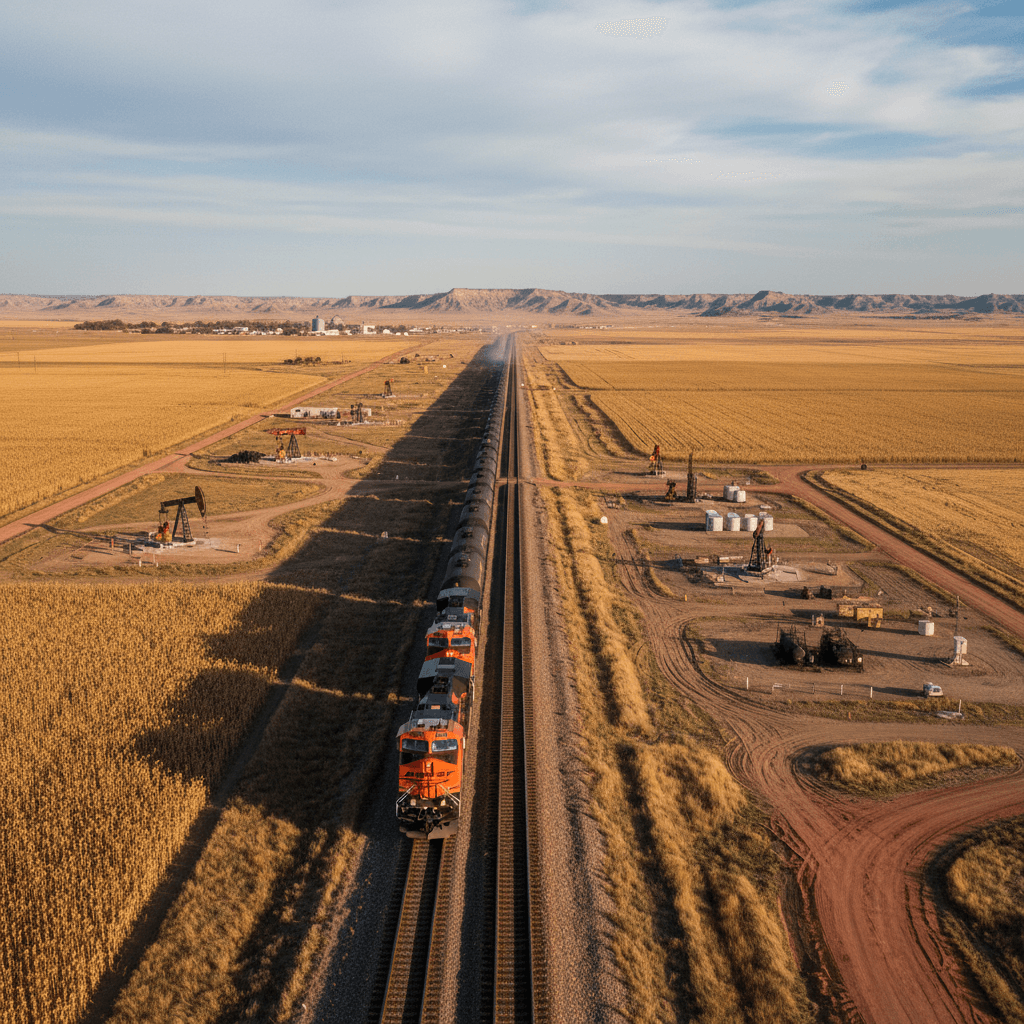
For Bakken operators, the sustained high global prices linked to the Hormuz crisis provide a favorable backdrop for production, while the continued and expanded operation of DAPL remains a critical outlet for North Dakota crude. The legacy of the pipeline's opposition, however, underscores the ongoing environmental and regulatory scrutiny facing infrastructure in the region.
Source
ICT (Underscore News), Rigzone/Bloomberg