Strait of Hormuz Disruption Slows Tanker Traffic, Lifts Oil Prices
Global shipping uncertainty and a major contract for SLB headline Wednesday's operator news, with implications for Bakken crude markets.
Commodity vessel traffic at the Strait of Hormuz slowed further on Wednesday, August 19, as operators avoid the area amid heightened security concerns. According to ship-tracking data from Kpler monitored by Reuters and reported by OilPrice.com, just six commodity vessels transited the strait on Tuesday, down from nine on Monday and below the 10-day average of 11.
The security situation deteriorated after a cargo vessel was struck by an unknown projectile in the strait early Tuesday local time. The United Kingdom Maritime Trade Operations confirmed the incident. This has led to erratic tanker movements, with vessels meandering and executing U-turns. Two Chinese-linked supertankers were among those that aborted their passage, U-turning in the strait as risks remain elevated, Rigzone reported.
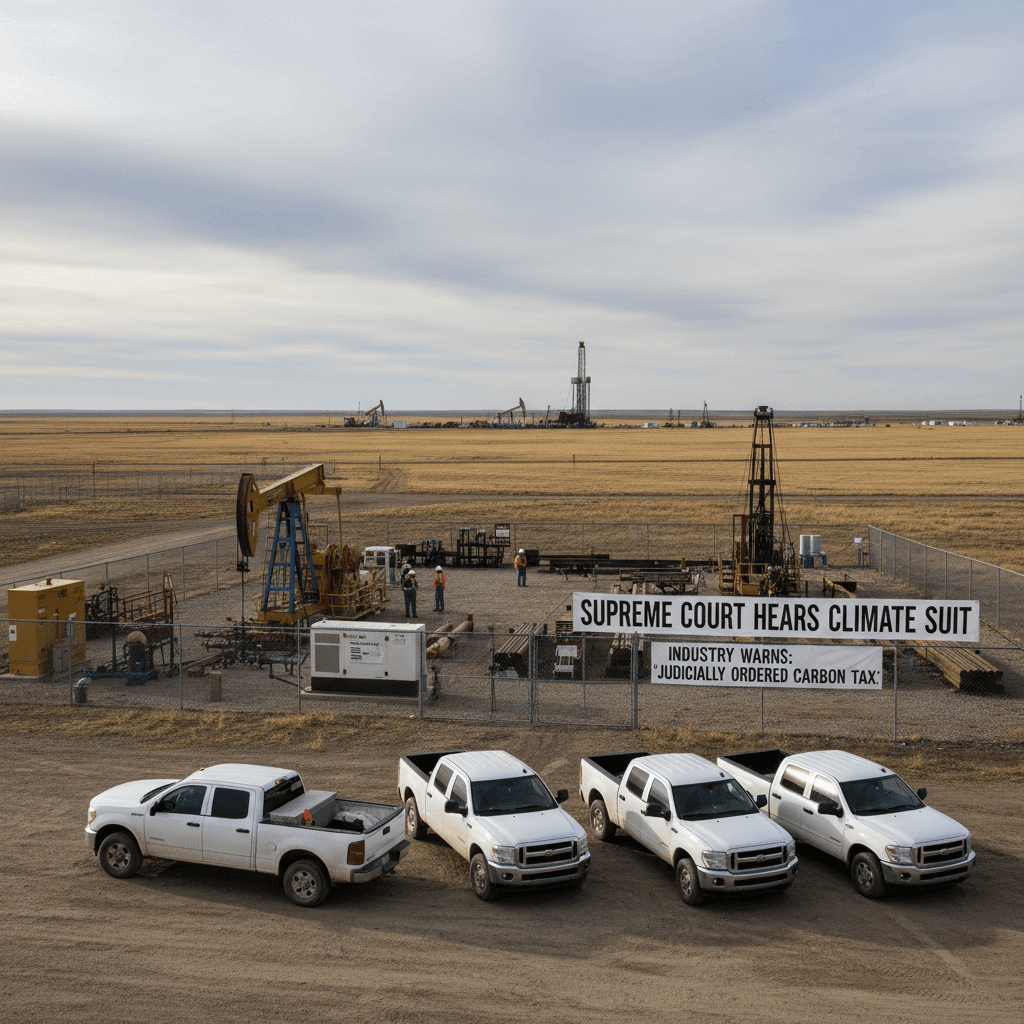
Iran insists the chokepoint is closed, while the U.S. Administration maintains it remains open. The uncertainty, coupled with hardening rhetoric from both Iran and the United States, pushed crude oil prices to extend gains for a fourth consecutive day early Wednesday. For Bakken operators, any sustained disruption to global crude flows and associated price support can impact wellhead economics and regional differentials.
In other global operator news, service giant SLB received a significant contract from Brunei Shell Petroleum to reactivate shut-in wells across multiple offshore fields, according to a summary from Rigzone. While not directly related to the Williston Basin, such large-scale well reactivation projects indicate ongoing investment in optimizing existing offshore assets, a theme relevant to Bakken operators focused on base production and workover programs.
The prospects for a quick normalization of traffic in the Strait of Hormuz appear dim. Rigzone reported that the situation worsened after former President Donald Trump took a hard line on Iran, contributing to the elevated risk environment that is currently disrupting one of the world's most critical oil shipping lanes.
Source
OilPrice.com, Rigzone