Ukrainian Strikes Disrupt Russian Fuel, Tightening Global Oil Market
Attacks on Russian infrastructure and China's pivot to sanctioned gas imports highlight global supply risks that could support Bakken crude prices.
Russian-installed authorities in occupied Crimea suspended all fuel sales to private individuals and businesses on June 21, limiting supplies exclusively to state agencies, according to a report from OilPrice.com. Sergei Aksyonov, the Russian-backed head of the peninsula, announced the measure in a video address, citing a severe fuel shortage exacerbated by Ukrainian drone strikes.
The suspension follows a broader Ukrainian campaign targeting Russian oil infrastructure. Ukrainian President Volodymyr Zelenskyy stated on June 21 that forces struck "maritime logistics used to transport oil" and an oil depot in Kerch, Crimea, which Aksyonov confirmed was attacked. Rigzone also reported the fuel sales halt is a direct result of Ukrainian drone strikes on Russian refineries.
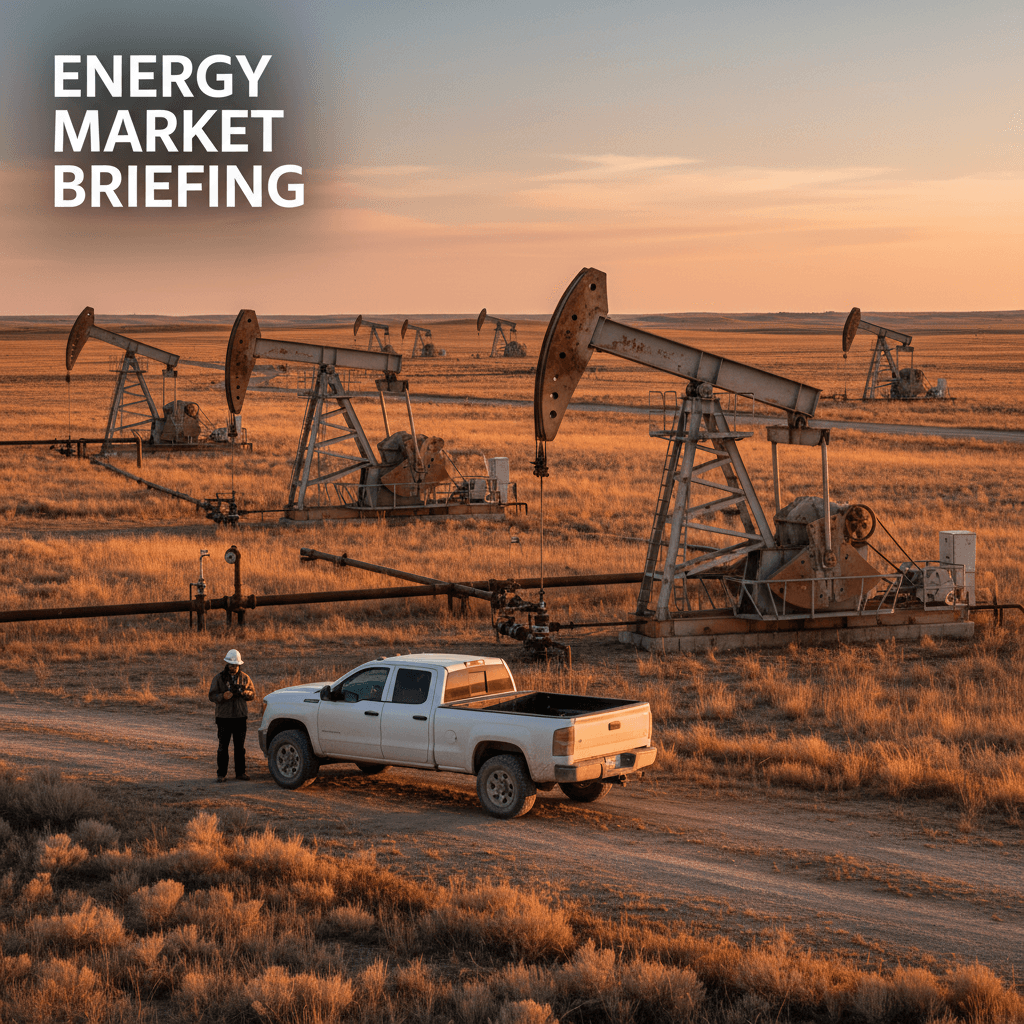
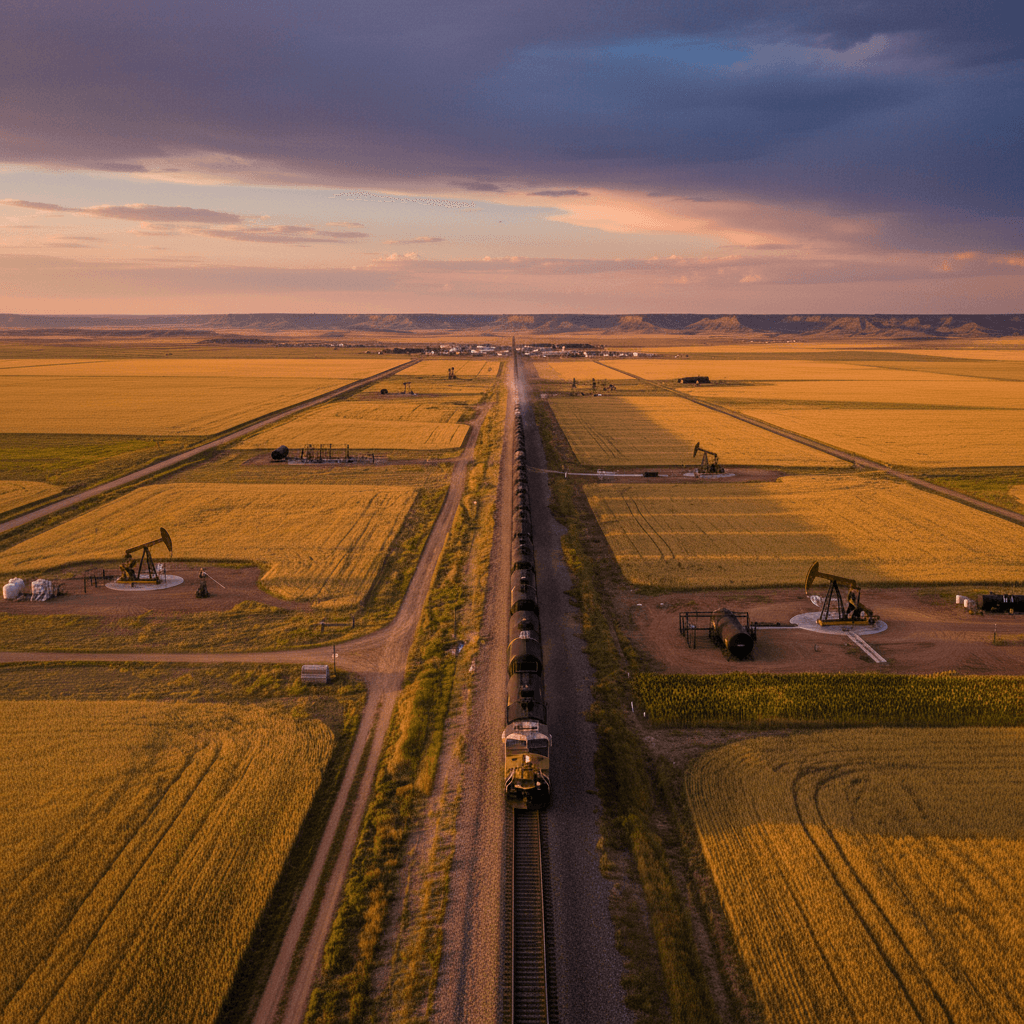
These ongoing disruptions to Russian fuel production and distribution remove significant volumes of refined products from global markets. For Bakken operators, any tightening of global refined product supplies provides underlying support for crude oil prices, the key determinant of profitability in the North Dakota shale patch.
Concurrently, China is expanding its capacity to import sanctioned Russian liquefied natural gas (LNG), as reported by OilPrice.com. A new terminal in Longkou is being prepared to receive cargoes from Russia’s Arctic LNG 2 project, with operations expected before October 2026. China has become the sole buyer for this project, importing over 40 cargoes since August 2025.
This strategic energy pivot by China, coupled with disruptions to Middle Eastern LNG flows, underscores a rapidly reshaping global energy landscape. While focused on natural gas, China's deepening reliance on discounted Russian energy imports could have second-order effects on global crude oil trade flows and pricing benchmarks linked to Bakken crude.
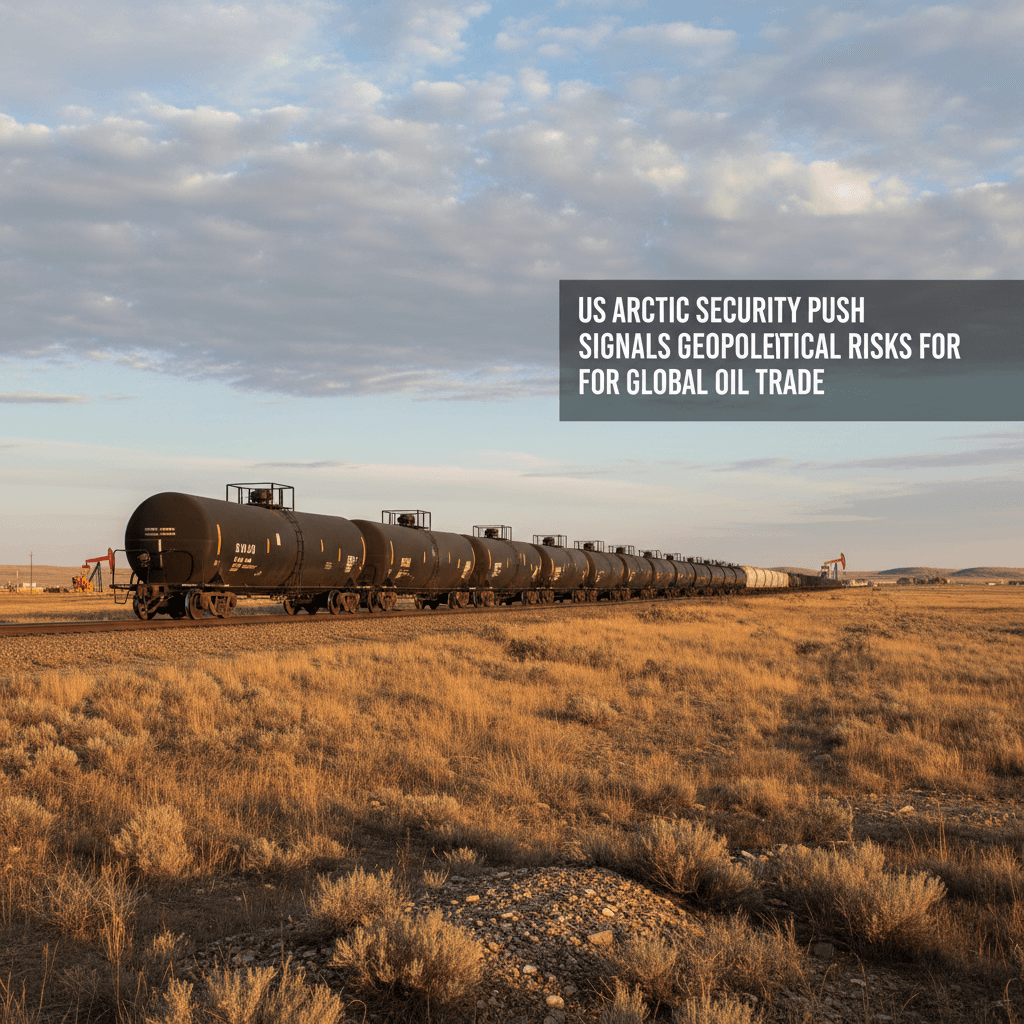
The combined factors of ongoing military disruptions to Russian oil infrastructure and major importers securing alternative, discounted supply streams contribute to market volatility and geopolitical risk premiums. For Bakken producers, these distant events reinforce the importance of global supply stability for maintaining favorable crude pricing. While North Dakota's production is insulated from direct physical disruption, its economic viability remains tethered to the international price signals influenced by such conflicts and shifting trade alliances.
Source
OilPrice.com (June 22, 2026), Rigzone (June 22, 2026)