Ukrainian Strikes Hit Major Russian Refineries, Tighten Global Product Supply
Attacks on two key fuel-producing facilities add pressure to already strained global refining capacity, potentially supporting margins for Bakken producers.
Ukrainian forces struck two major fuel-producing facilities and an oil pumping station in Russia this week, according to Ukrainian officials. The attacks add pressure to Russia's refinery runs, which already hit multi-year lows in April, and could tighten global supplies of refined products like diesel and gasoline.
Ukraine's President Volodymyr Zelenskiy said drones hit an oil refinery in Yaroslavl, about 175 miles northeast of Moscow, overnight on May 7-8, according to Rigzone. Ukraine’s Security Service SBU said there were also fresh strikes on the Permnefteorgsintez refinery in Perm and a nearby oil pumping station. The SBU said a fire broke out at a crude-processing unit at the refinery and a reservoir tank was hit at the station.
The targeted facilities are significant. The Yaroslavl plant, co-owned by Rosneft PJSC and Gazprom Neft PJSC, can process around 300,000 barrels per day. The Perm refinery, owned by Lukoil PJSC, has a capacity of about 260,000 barrels per day. Both are among Russia’s 10 biggest fuel-producing facilities, Rigzone reported. The Perm pumping station is on the Russian trunk pipeline network that moves crude from western Siberia into central Russia and to Lukoil’s refinery.
These strikes are part of a broader Ukrainian campaign this spring that has targeted Russian oil infrastructure, including refineries and sea terminals, almost daily. The goal is to reduce the windfall revenues Moscow earns from high global oil prices. The analytics firm OilX estimates the April attacks cut average daily runs at Russian refineries to their lowest level since December 2009.
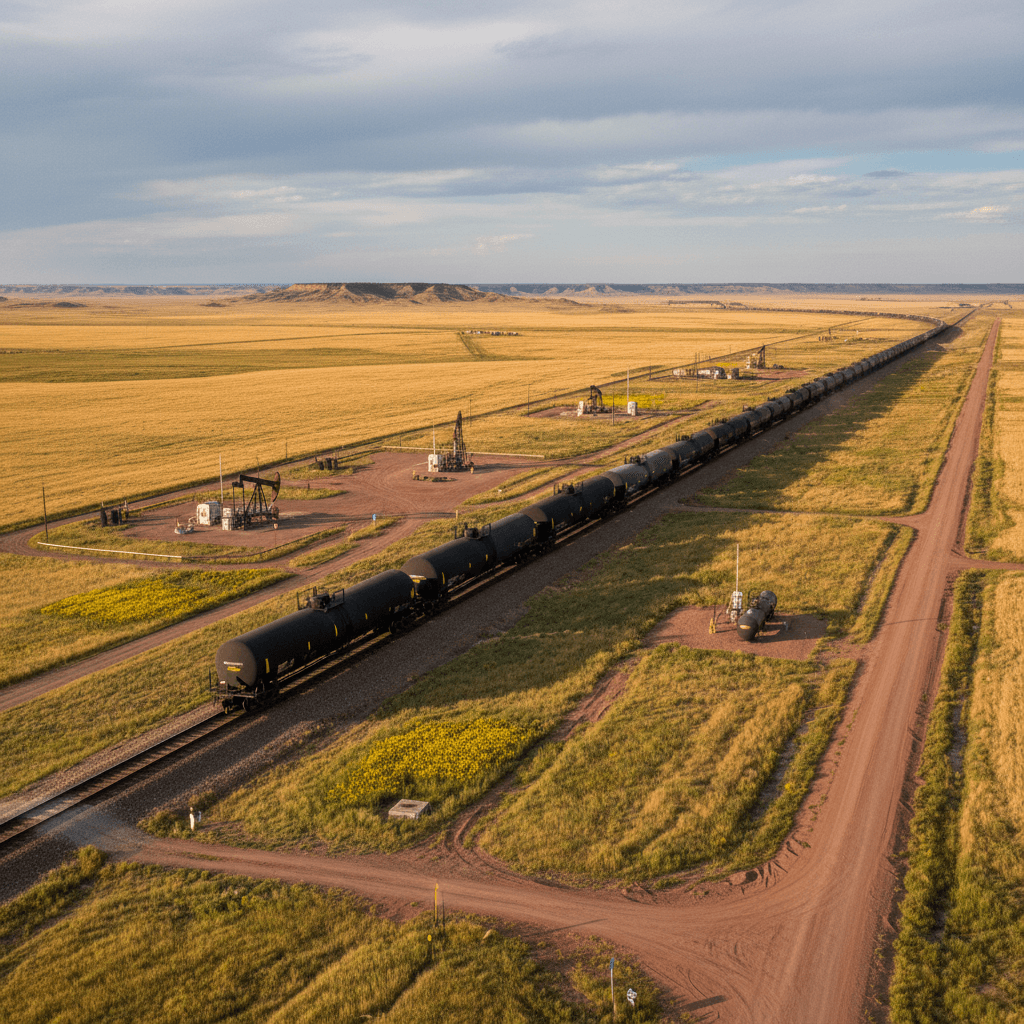
For Bakken operators and North Dakota's oil industry, the disruption of significant refining capacity in Russia tightens the global market for refined products. A constricted supply of diesel and gasoline globally can strengthen refining margins, which in turn supports the price differentials for Bakken crude oil. North Dakota producers are heavily reliant on stable and favorable differentials to transport their landlocked crude to coastal refineries via rail or pipelines.
The immediate impact on crude oil prices is complex, as attacks can create a risk premium but also potentially reduce demand for crude if refining capacity is offline. However, the sustained reduction in Russian fuel exports could create a more supportive environment for light sweet crude grades like those produced in the Bakken, which are in high demand by complex refineries worldwide. The situation underscores the continued vulnerability of global energy infrastructure to geopolitical conflict and its ripple effects on producing regions like the Williston Basin.
Source
Information synthesized from Rigzone/Bloomberg News report published May 8, 2026.