U.S. Advances Seawater Mineral Extraction Amid Global Supply Competition
As the EIA raises 2026 oil output forecasts, new tech for critical minerals could reshape long-term energy security and demand dynamics for Bakken hydrocarbons.
The United States is pursuing a technological breakthrough to extract critical minerals from seawater, aiming to counter China's dominance in supply chains essential for the clean energy transition, according to a report from OilPrice.com. This development occurs alongside a raised federal forecast for U.S. oil production, setting a complex global backdrop for Bakken operators.
China currently supplies 85-95 percent of the world’s refined rare earth minerals and controls the majority of refining for cobalt, nickel, and lithium, creating what sources describe as a "dangerous precarity in global energy security." The International Energy Agency projects demand from the clean energy sector will at least double by 2040, driven largely by electric vehicles and battery storage.
A new co-flow reactor developed by the Pacific Northwest National Laboratory (PNNL) is designed to extract high-purity magnesium hydroxide from seawater and could later be used for other minerals like nickel. "A world powered by renewables is a world hungry for critical minerals," UN Secretary-General António Guterres stated in 2024.
For North Dakota's oil industry, these competing dynamics present both a challenge and a context for longevity. The surge in demand for critical minerals underscores the scale of the planned energy transition, which could influence long-term oil demand. However, in the near term, the domestic oil production outlook remains robust.
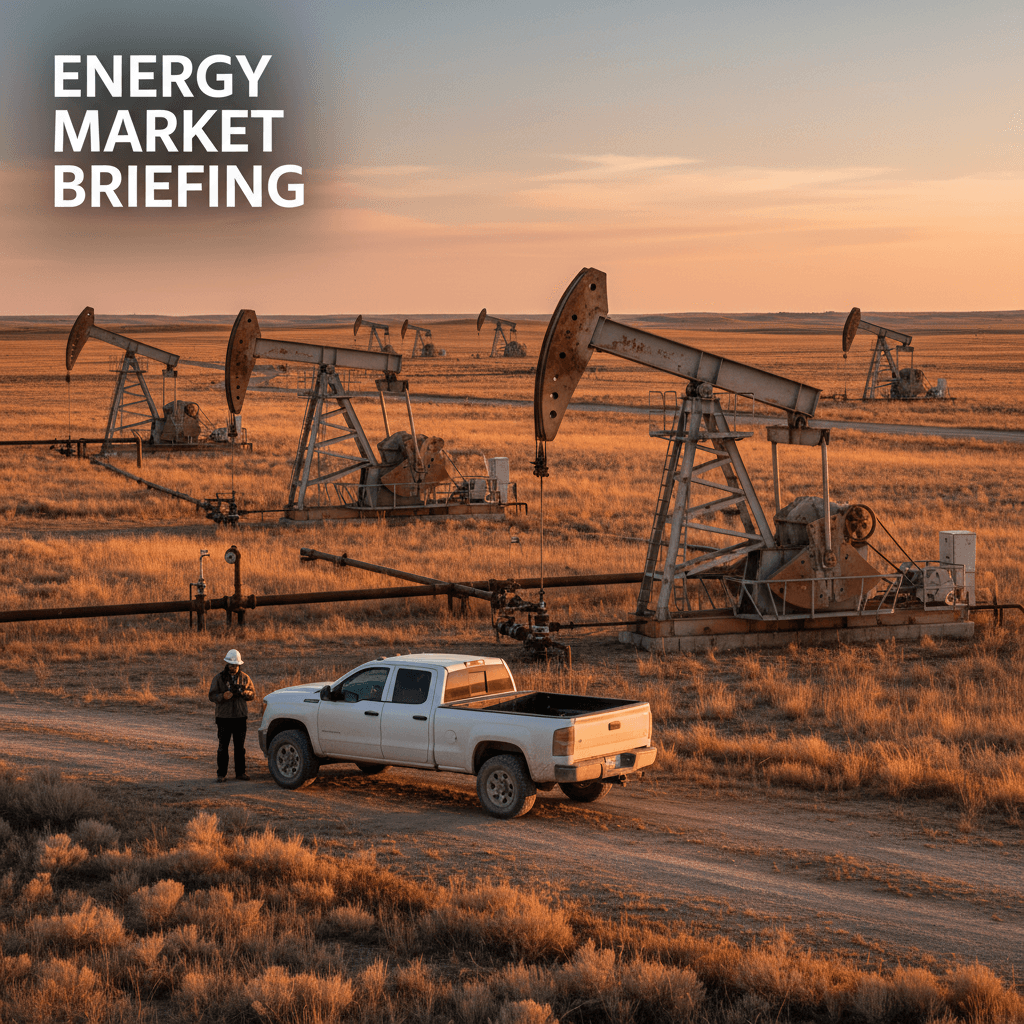
In its latest Short-Term Energy Outlook, the U.S. Energy Information Administration raised its forecast for 2026 U.S. crude oil production, pushing it closer to 14 million barrels per day, Rigzone reported. This upward revision suggests continued strong market conditions that support activity in key basins like the Bakken.
The Bakken formation, a cornerstone of U.S. output, operates within this dual reality. While the long-term geopolitical race for mineral security could accelerate electrification, sustained high oil production forecasts indicate hydrocarbon demand will remain significant for years to come. Successful domestic mineral extraction would reduce a key geopolitical risk for the U.S. but does not immediately alter the fundamental demand for the oil and natural gas liquids produced in the Williston Basin.
The evolving landscape highlights the importance for Bakken operators and state policymakers to monitor both mineral supply chain developments and hydrocarbon market forecasts. The industry's future will be shaped by the balance between growing clean energy material needs and the persistent, near-term demand for fossil fuels.
Source
According to OilPrice.com and Rigzone.