U.S. Confirms End of Iranian, Russian Oil Waivers
Treasury Secretary Bessent's stance tightens global supply, potentially supporting prices and Bakken competitiveness.
U.S. Treasury Secretary Scott Bessent reaffirmed that the United States will not renew general licenses allowing for the temporary sale of certain Russian and Iranian crude, according to Rigzone. This policy decision, reported on April 16, 2026, solidifies a supply constraint in the global market by continuing to restrict the flow of sanctioned oil.
Oil prices had already stabilized in the prior session, Rigzone reported on April 15, as draws from U.S. inventories offset ongoing geopolitical uncertainty in the Middle East. This balance between tangible inventory data and broader diplomatic tensions is a typical market dynamic.
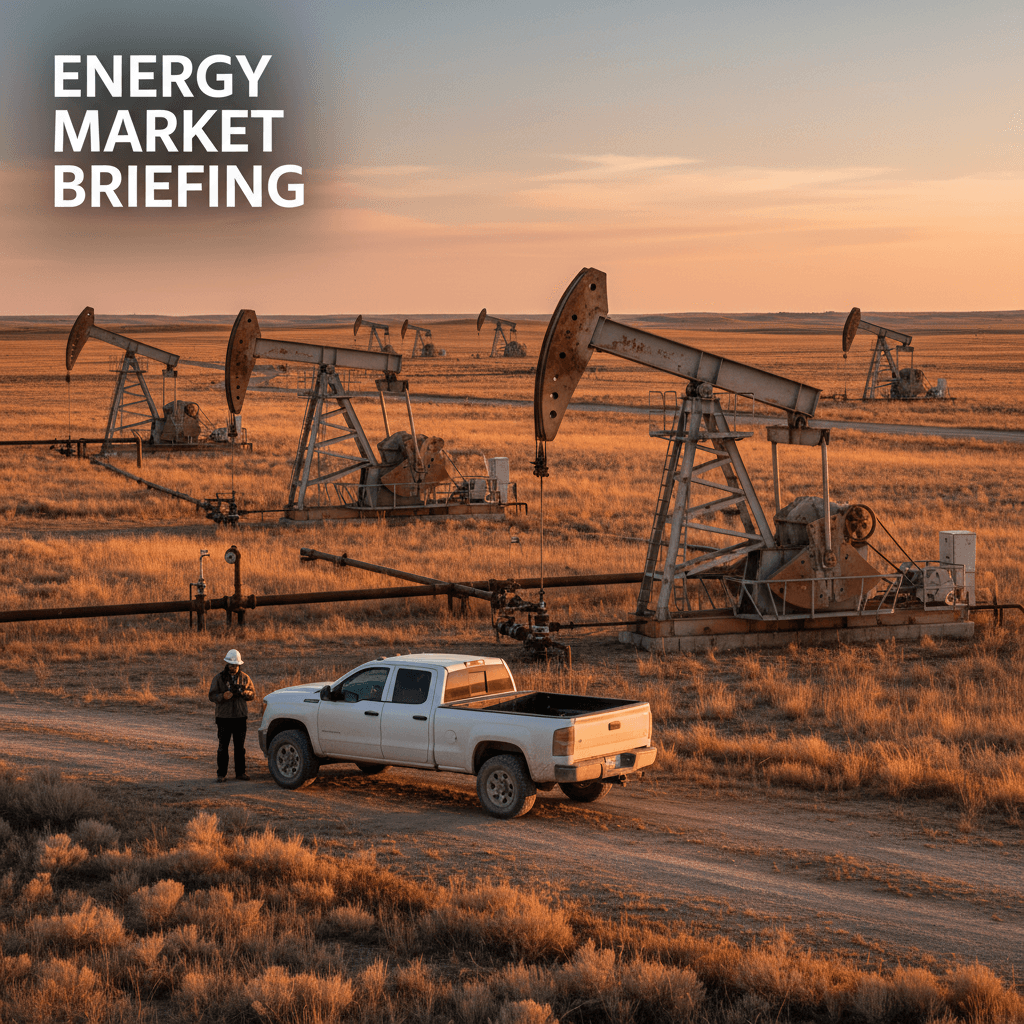
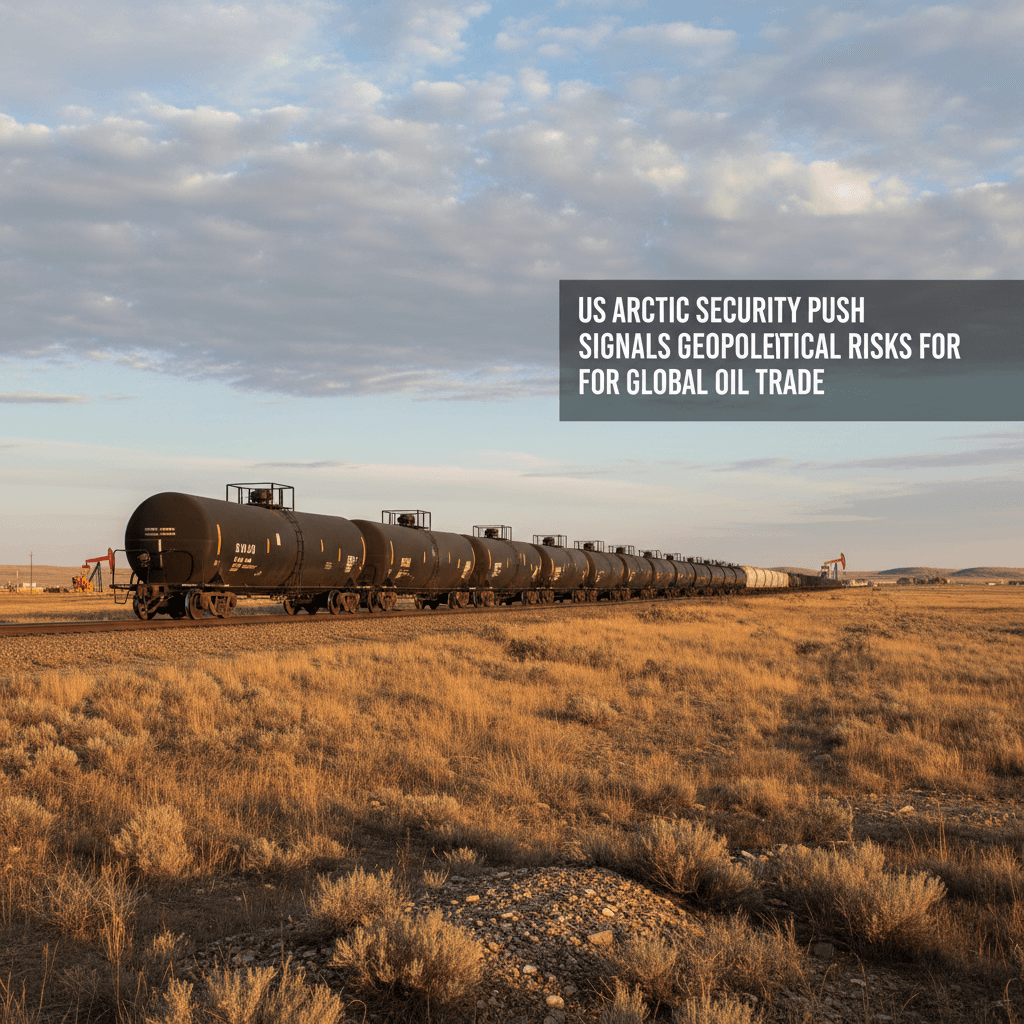
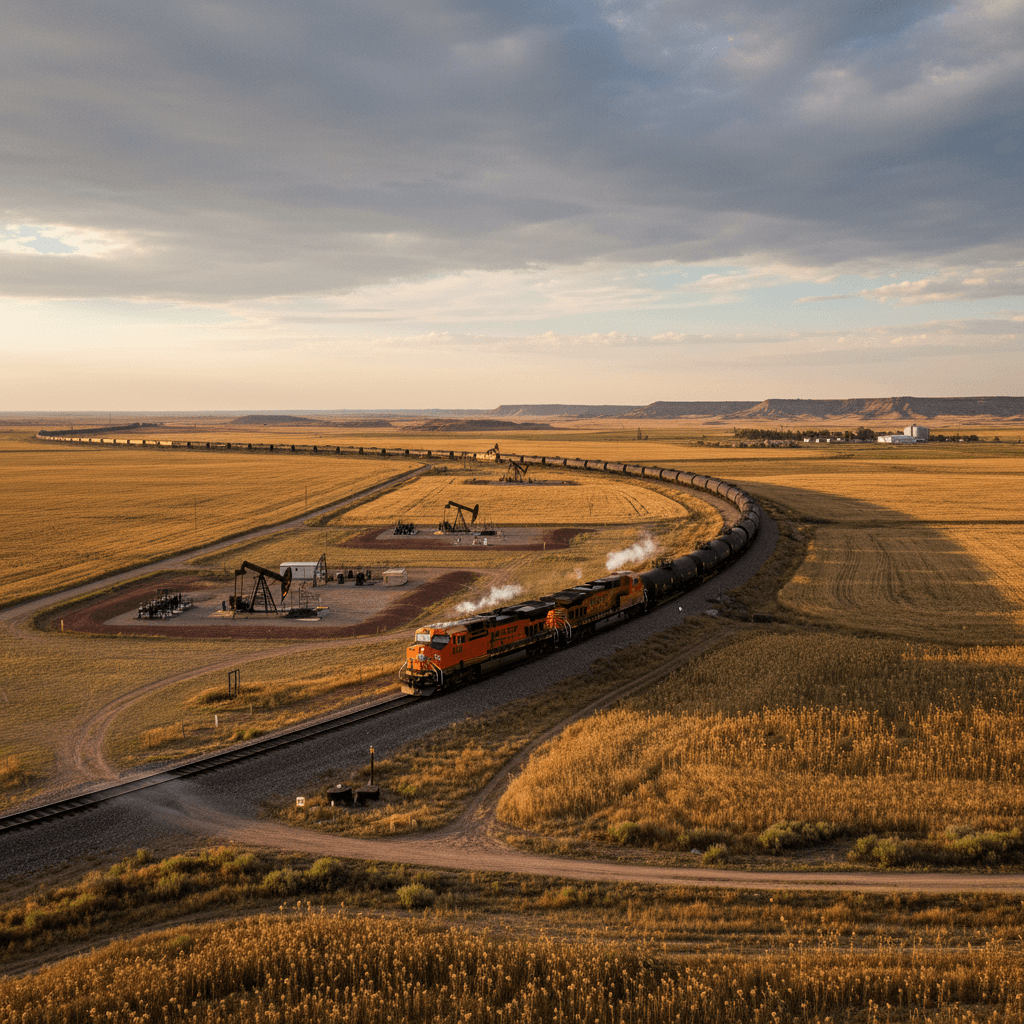
For Bakken operators, the U.S. stance on Iranian and Russian waivers removes a potential source of global supply competition. When sanctioned barrels are kept off the market, the relative value of legally produced crude from stable regions like North Dakota increases. This policy environment supports a firmer price floor, which is critical for maintaining drilling and completion budgets in the Williston Basin.
The stabilization of prices amid inventory draws and geopolitical mix underscores the market's current sensitivity to both fundamental supply data and policy announcements. The Bakken formation is North Dakota's primary oil-producing region, and its operators are directly impacted by these global supply shifts. A tighter global supply picture, reinforced by U.S. policy, generally enhances the competitiveness of domestic production.
While the specific price impact is not detailed in the sources, the combined reports suggest a market leaning on U.S. supply to balance uncertainty. This scenario typically benefits domestic producers, including those in the Bakken, by strengthening the benchmark prices against which their crude is sold.
Source
Rigzone (April 16, 2026; April 15, 2026)