U.S. Diesel Hits Record $6.50 Amid Global Fuel Crunch
Record fuel prices boost Bakken crude economics but raise inflation and recession concerns for the broader economy.
The average retail price of diesel in the United States topped $6.50 per gallon this weekend, according to OilPrice.com. The national average reached $6.5050 per gallon as of Sunday, marking a steep increase from $6 a gallon just two weeks ago and a jump of roughly $1 per gallon over the last four weeks. This price surge is driven by a global fuel crunch, with supply from the Middle East and Russia heavily constrained and the international Brent crude benchmark holding at $100 per barrel.
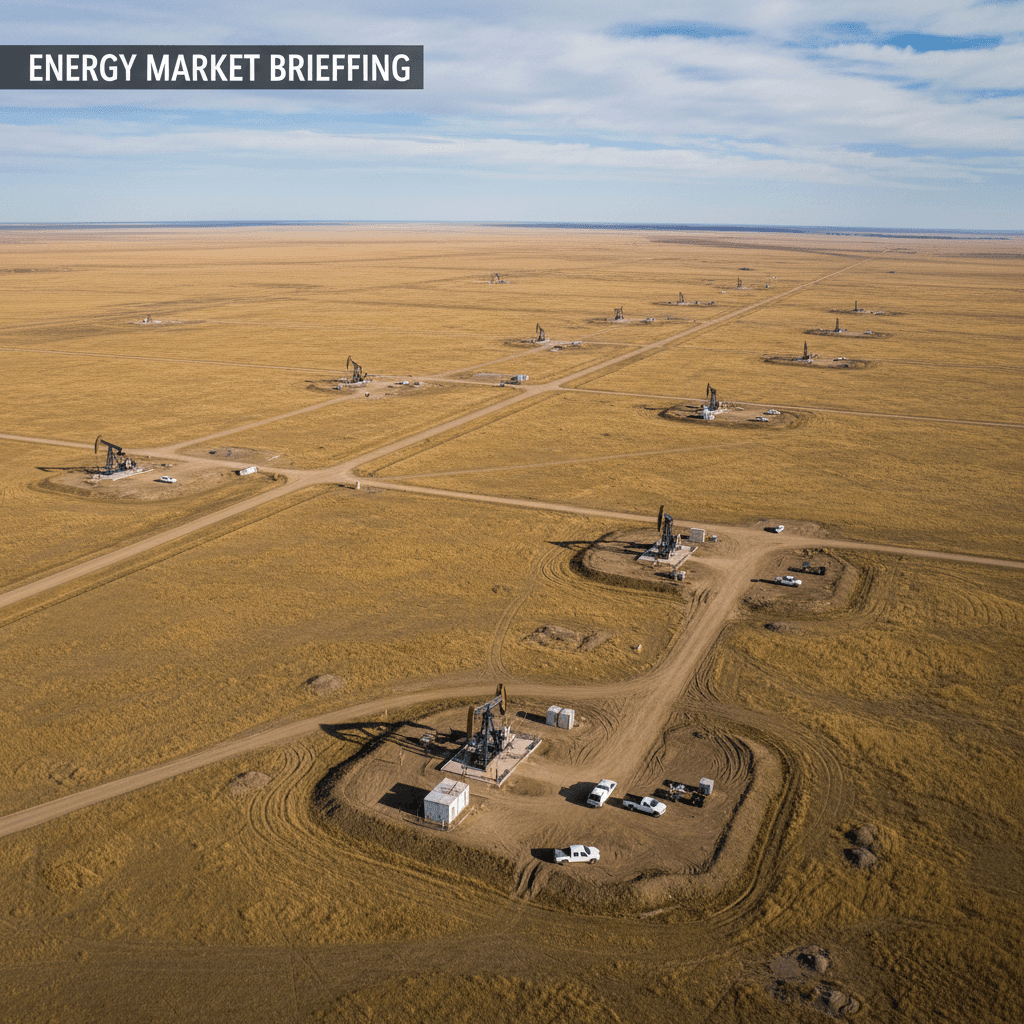
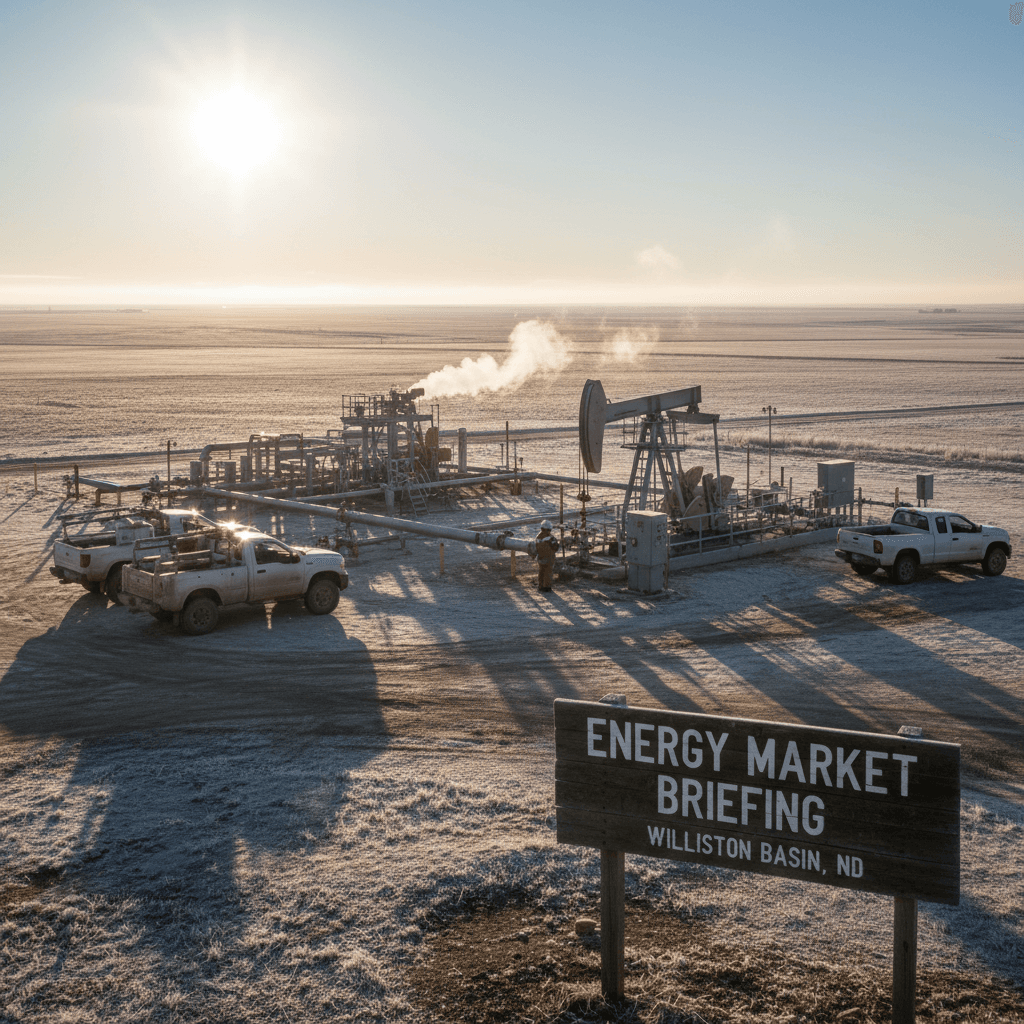
For Bakken operators, record-high diesel prices present a dual-edged sword. High distillate prices directly improve the economics of producing Bakken crude oil, a significant portion of which yields diesel and other middle distillates upon refining. The elevated price environment strengthens cash flows for producers and royalty owners in North Dakota. However, the same price spike threatens the broader economic landscape. OilPrice.com reported that the surge in diesel prices has started to dominate conversations about slower economic growth and even recession, which could ultimately dampen overall oil demand.
The fuel crunch is also pushing up gasoline prices, with the national average reaching $4.4761 per gallon, up from $4.1044 a month ago. These price spikes at the pump could influence voter behavior in the upcoming mid-term elections in early November, according to the source. Furthermore, the record-high diesel price could worsen the inflation outlook. Last week, the Federal Reserve raised the key interest rate for the first time since 2023, with Fed Chairman Kevin Warsh stating, “The plain fact is that inflation is too high, and has been for too long,” OilPrice.com reported.
While global supply concerns have driven prices higher, there are signs of easing pressure. Rigzone reported on September 18 that oil fell for a third session as easing Saudi supply concerns outweighed lingering risks around the Strait of Hormuz. Separately, in a development highlighting continued European energy security efforts, Rigzone reported that Poland's ORLEN agreed to continue supplying liquefied natural gas to Ukraine's Naftogaz and committed to supplying oil products to Ukraine.
The economic risks remain a key watch item. Goldman Sachs Chief Economist Jan Hatzius told Yahoo Finance earlier this month that the firm has scaled back its 12-month recession risk estimate from 30% in March to 15% now, citing resilient global and U.S. economies over the past six months. However, Hatzius cautioned, "if we were to see another shock, we'd raise that again." For Bakken stakeholders, the current high-price environment offers near-term benefits but is inextricably linked to broader macroeconomic fragility.
Source
According to OilPrice.com and Rigzone.