WTI Crude--
Brent Crude--
Natural Gas--
ND Rig Count--
WTI Crude--
Brent Crude--
Natural Gas--
ND Rig Count--
U.S. Energy Stabilizes Global Shock, Strains Bakken-Linked Inventories - Bakken Wire
Global Markets

U.S. Energy Stabilizes Global Shock, Strains Bakken-Linked Inventories

Record U.S. oil and gas output cushions Hormuz closure impact but depletes stocks, tightening domestic market and supporting Bakken production.

Bakken Wire Staff·🔆Midday Wire·

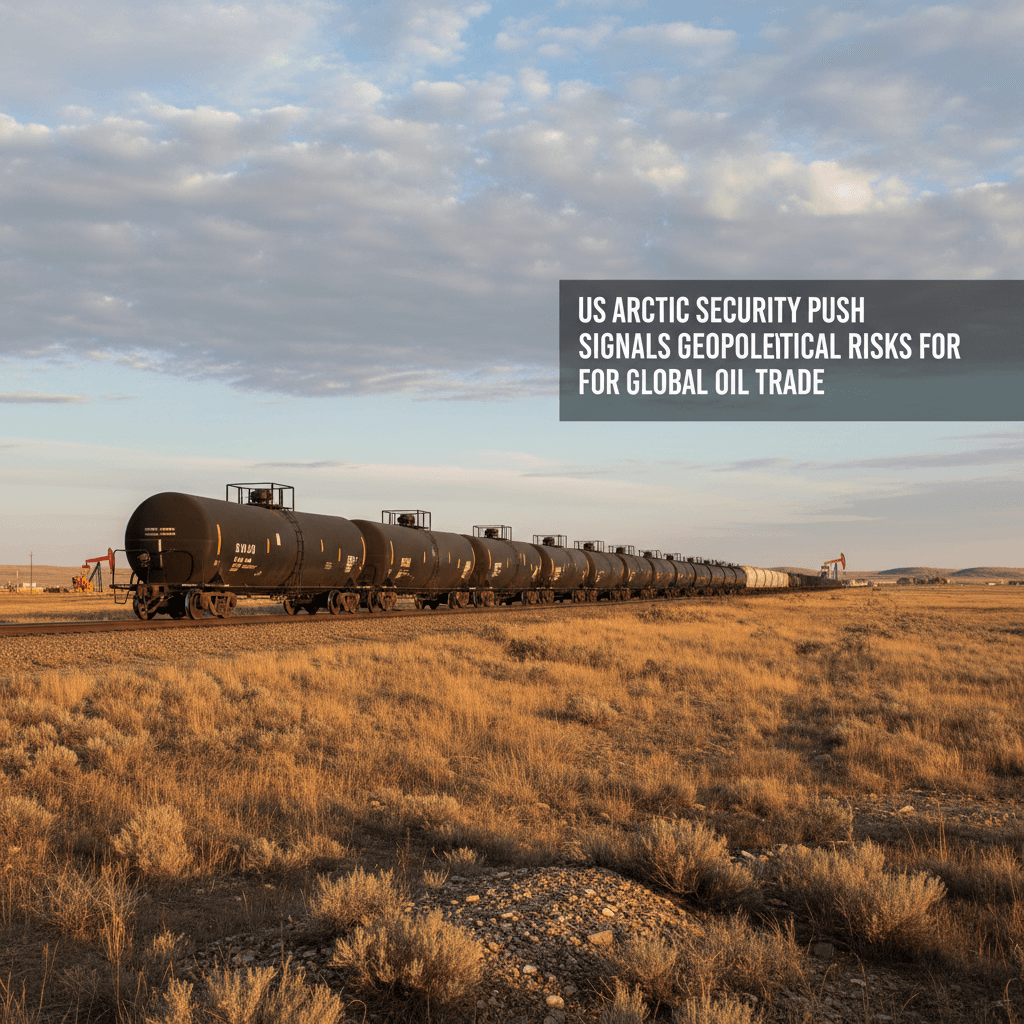
The U.S. energy system, underpinned by record production from shale regions like the Bakken, has helped mitigate the global supply shock caused by the closure of the Strait of Hormuz, according to an analysis from the American Petroleum Institute (API). The disruption, stemming from the war in Iran, sent refiners and gas importers worldwide scrambling for alternatives.

The American Petroleum Institute stated that record American crude oil production and huge natural gas output, decades in the making, have positioned the U.S. as "the world’s energy stabilizer." This role has kept crude oil prices in check for most of the past five months despite the ongoing conflict. “Markets remain tight, inventories are low and uncertainty around the Strait of Hormuz and other key shipping lanes persists. Yet, America's energy system has helped cushion what could have been a much more severe shock,” API said.

This stabilizing function comes at a cost for the domestic energy system. America’s inventories of crude oil and petroleum products have slumped below the five-year average, leaving narrow margins of error. The record-high exports are depleting U.S. inventories even as refineries run at very high rates, tightening the domestic market and making it more vulnerable to sudden disruptions like hurricanes.

Specifically, middle distillate inventories in the United States are now 12% below the five-year average, according to the latest EIA data. Domestic fuel prices reflect the strain, with the national average gasoline price at $4 per gallon. This is about $1 higher than at the end of February before the conflict began and nearly $0.90 higher than at this time last year.

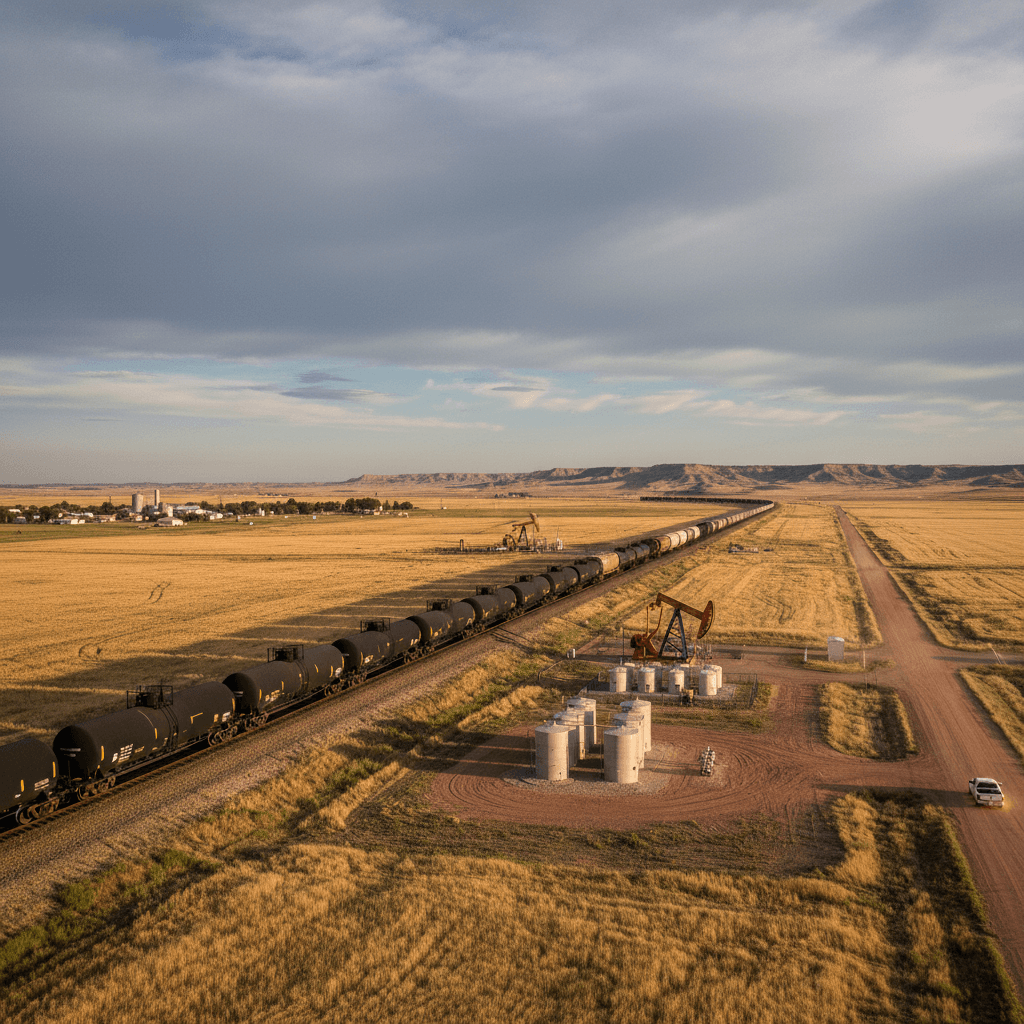
The sustained high output, fueled by annual investments of about $150 billion in upstream oil and natural gas production since the shale revolution began, fundamentally supports Bakken operators. The ongoing global need for U.S. supply, with the path to Middle East de-escalation unclear, suggests a continued market for North Dakota's crude. However, the resulting tight domestic inventory picture underscores the critical and pressured role of Bakken production in balancing global markets while facing potential volatility at home.

Source

OilPrice.com, citing American Petroleum Institute (API) analysis and EIA data.
global marketsstrait of hormuzu.s. productionoil inventoriesapibakken operators

Share this article

Related Articles

The Afternoon Take - Energy Market Briefing
Global Markets

Energy Market Briefing

Afternoon Energy Market Briefing | Sunday, August 23, 2026 1. Headlines Oil prices are flat in Sunday trading, with WTI at $87.06 and Brent at $94.39. The Bakken differential to WTI is holding steady at -$3.42. Natural gas is at $2.81. Rig activity in the monitoring area is unchanged, with 34 active rigs. The main reported developments are geopolitical and operational. According to Rigzone, crude prices have been rallying as Asian demand strengthens and the conflict with Iran continues to constrain global supplies. In a related development, the semi-official Iranian Students' News Agency reports that Iran's President Masoud Pezeshkian has urged an end to the war while refusing to call defeat. Elsewhere, ExxonMobil is warning of a looming production decline at Kazakhstan's top oilfield, Tengiz, and is seeking to invest billions to cushion the slide at the nearby Kashagan development. U.S. refiners are also reportedly facing a looming supply drop...

🌅Afternoon Wire·Aug 23
The Midday Take - Energy Market Briefing
Global Markets

Energy Market Briefing

Daily Energy Market Briefing Sunday, August 23, 2026 1. Headlines Oil prices are ticking higher today, with Brent Crude up 0.65% to $94.39 and WTI gaining 0.26% to $87.06. The Bakken differential stands at -$3.42 versus WTI. Headlines are focused on geopolitical tensions and supply constraints. According to Rigzone, crude has extended its rally as Asian demand strengthens while the conflict with Iran continues to constrain global supplies. A separate Rigzone article notes that U.S. refiners are facing a looming supply drop from their biggest foreign crude supplier at a critical time. Other significant reports include a major equipment shortage. OilPrice.com details that lead times for heavy-duty gas turbines from major manufacturers like GE Vernova now stretch to 2031, creating a severe bottleneck for new power generation projects, particularly for the booming data center industry. 2. What's Really Happening The market is holding steady at elevated levels, but today's price...

🔆Midday Wire·Aug 23
The Morning Take - Energy Market Briefing
Global Markets

Energy Market Briefing

Energy Market Briefing for Bakken Wire Sunday, August 23, 2026 1. Headlines Oil prices are higher this morning, with Brent crude leading gains. WTI is up 0.26% to $87.06, while Brent rose 0.65% to $94.39. The price strength is being attributed by financial press to ongoing tensions from the U.S. war with Iran, which are seen as constraining global supplies, and to strengthening Asian demand (Rigzone). The Bakken differential to WTI stands at -$3.42. The North Dakota oil sector shows clear positive momentum from higher prices. According to data released this past Thursday, August 20, the state's oil production averaged 1.153 million barrels per day in June, a 2.5% increase from May and slightly above the state's revenue forecast (Bing News). The active rig count has jumped from 26 in mid-July to 33 as of this past week, with five new operators entering the basin. State officials note the June...

☀️Morning Wire·Aug 23