U.S. Production Cushions Hormuz Shock, Strains Inventories
API analysis credits record U.S. oil and gas output for stabilizing global markets amid Middle East crisis, but low stockpiles heighten domestic risk.
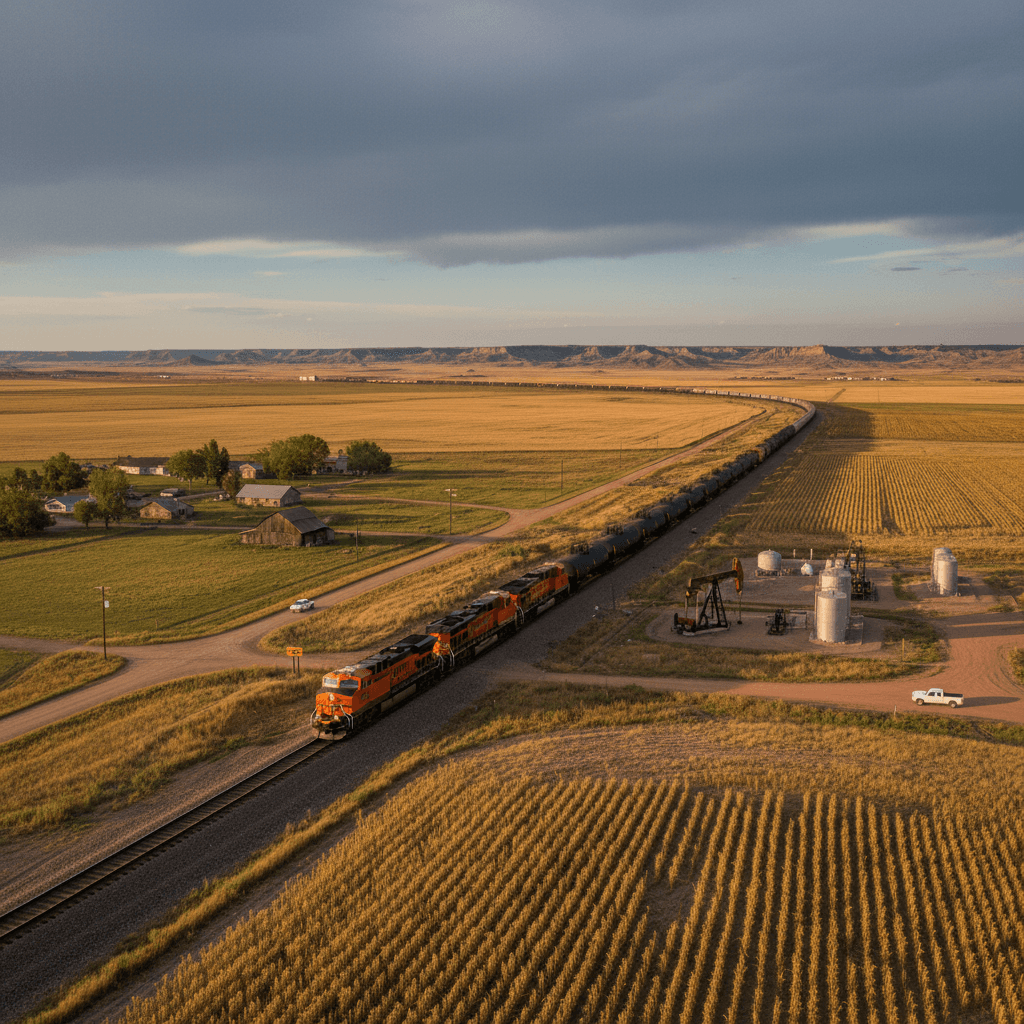
The record-breaking output from U.S. shale, including North Dakota's Bakken formation, has acted as a global stabilizer following the closure of the Strait of Hormuz, according to an analysis from the American Petroleum Institute (API). The industry group stated that American crude oil production and rising LNG exports have helped mitigate the shock loss of supply from the Middle East over the past five months.
“America's energy system has helped cushion what could have been a much more severe shock,” API said, as reported by OilPrice.com. The organization credited decades of investment, estimating the U.S. oil and gas industry has invested about $150 billion annually in upstream production alone since the shale revolution began.
This sustained investment has fundamentally altered America's role, with the U.S. now exporting record volumes of crude and refined fuels to a market reeling from the crisis triggered by the war in Iran. This activity has kept crude oil prices in check for most of the period since the disruption began, despite persistent uncertainty.
However, this critical role comes at a cost to the domestic energy system. The high export volumes are depleting U.S. inventories even as refineries run at high rates. America's inventories of crude oil and petroleum products have now slumped below the five-year average for this time of year.
The latest government data shows middle distillate inventories, which include diesel, are 12% below the five-year average. This leaves narrow margins of error in the production, refining, and export systems, making the domestic market vulnerable to sudden disruptions like hurricanes or refinery outages.
For consumers and Bakken operators, the market tightness is reflected in prices. Due to the international crude price surge, the national average gasoline price has reached $4 per gallon. This is approximately $1 higher than before the U.S. and Israel began bombing Iran at the end of February and nearly $0.90 higher than at this time last year.
The path to de-escalation in the Middle East remains unclear. The API analysis concludes that the U.S. crude and fuel production system will continue to offset some—but not all—of the missing Middle Eastern supply. This ongoing demand underscores the strategic importance of sustained production from regions like the Bakken, even as it contributes to historically low inventory buffers that increase market volatility risks.
Source
OilPrice.com

