U.S. Refuses to Extend Sanctions Waivers for Russian, Iranian Oil
Treasury Secretary's confirmation tightens global supply, supporting higher crude prices that benefit Bakken producers.
U.S. Treasury Secretary Scott Bessent confirmed the Trump administration will not renew waivers that allowed the sale of certain sanctioned Russian and Iranian crude, a move that tightens global oil supply as a key shipping chokepoint remains disrupted. According to Rigzone, Bessent stated, “We will not be renewing the general license on Russian oil, and we will not be renewing the general license on Iranian oil,” during a White House press briefing on Wednesday, April 15, 2026.
The decision comes amid a near-paralysis of crude flows through the Strait of Hormuz, a critical passage for a fifth of the world’s oil. Rigzone reported that this disruption has caused oil prices to spike, with global crude prices up more than 30% since the war began. Brent crude was trading around $96 a barrel as of April 16.
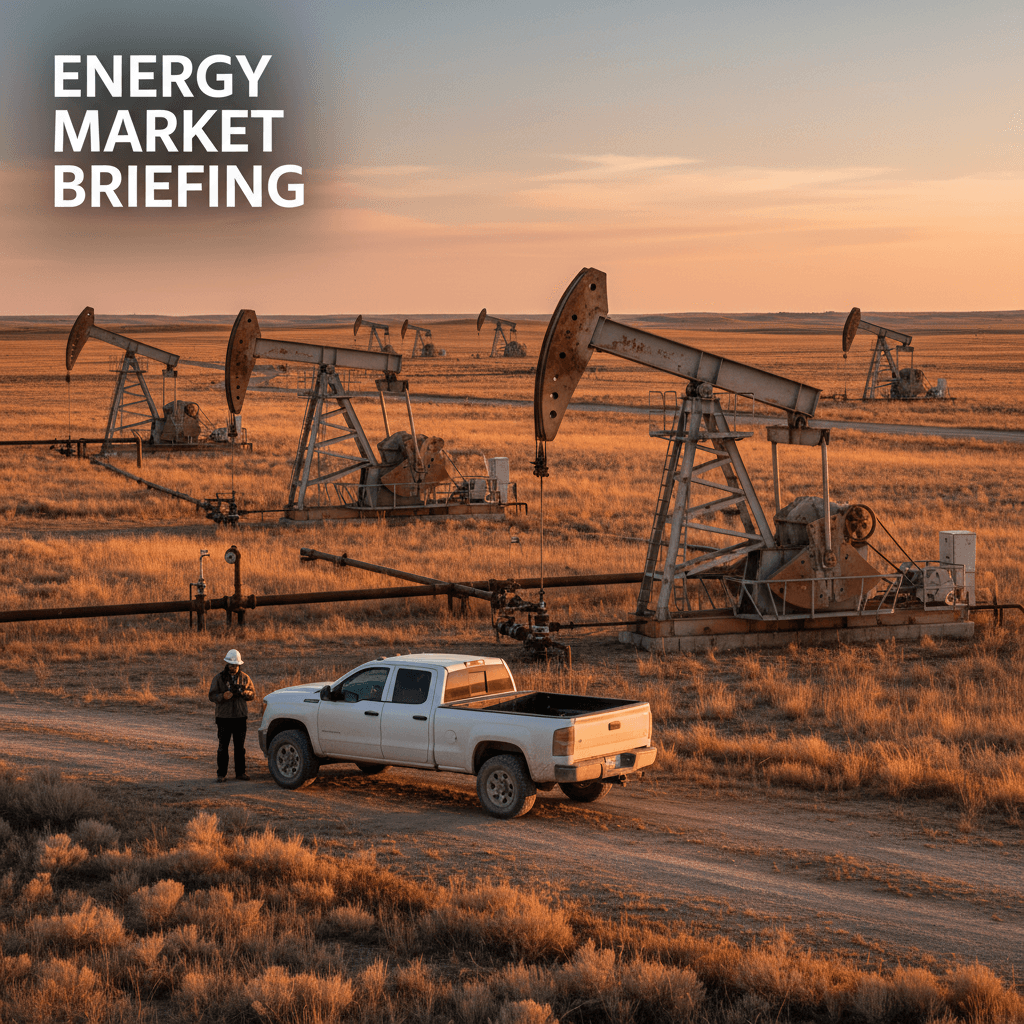
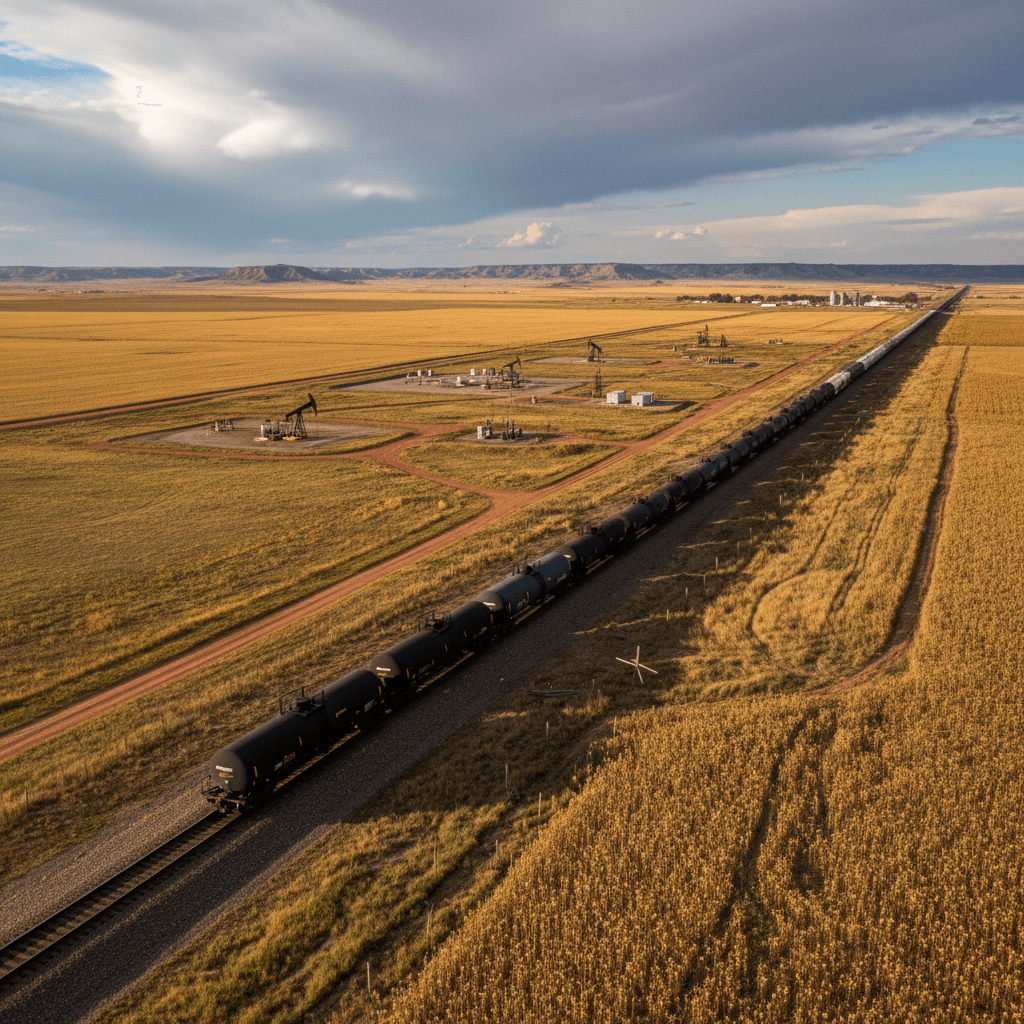
For Bakken operators and North Dakota royalty owners, the sustained elevation in global benchmark prices provides a direct economic benefit. Higher Brent prices typically strengthen the pricing basis for Bakken crude, improving wellhead economics and cash flow. The removal of sanctioned barrels from Russia and Iran from the market, even temporarily, further constricts supply in an already tense geopolitical environment.
The waiver on Russian supplies expired on Saturday, April 11, and the Iranian authorization is set to lapse on Sunday, April 19. Rigzone noted that several Asian countries, including India and the Philippines, had unsuccessfully lobbied the U.S. to extend the Russian waiver before its expiration. Kremlin spokesman Dmitry Peskov responded to the U.S. move, stating it “was expected” and that Russia has “learned to act in a way that minimizes the consequences of such measures.”
While the general licenses are not being renewed, Rigzone's report indicated there remains an opportunity for targeted relief for certain companies or countries. Indian Prime Minister Narendra Modi pressed President Donald Trump on the importance of keeping the strait open during a phone call this week.
The ongoing blockade and sanctions enforcement threaten to pull more crude supplies from the global market. This supply tightness, driven by geopolitical factors, creates a supportive price environment for U.S. shale producers, including those in the Bakken, who are not subject to the same export restrictions. The administration's firm stance on sanctions underscores a market dynamic where domestic production gains increased strategic and economic importance.
Source
Rigzone