U.S. Senate Introduces New Russia Sanctions Bill, Targets Oil Buyers
The bipartisan legislation, which could impact global crude flows, arrives as geopolitical tensions threaten energy supply chains.
A bipartisan group of U.S. senators introduced a new sanctions bill on July 14 targeting Russia's oil and gas exports, a move with potential implications for global crude markets that underpin Bakken pricing. According to OilPrice.com, the Sanctioning Russia Act of 2026 has gathered more than 26 co-sponsors and follows over a year of negotiations.
The revised legislation authorizes tariffs of up to 100 percent targeting the top five purchasers of Russian oil and natural gas, a group sponsors said includes China and India. This represents a shift from an earlier proposal for a blanket 500 percent tariff. The bill also creates exemptions for countries importing less than 15 percent of Russia's annual natural gas exports if they are taking "significant steps" to reduce dependence.
Senate Democratic Leader Chuck Schumer called for an immediate floor vote, saying the legislation should be passed "in honor of" its chief architect, the late Senator Lindsey Graham. Graham had announced agreement with the White House on key provisions just one day before his death. Democratic Senator Richard Blumenthal, Graham's partner on the bill, said, "He was absolutely ecstatic... I've never heard him quite as exuberant," according to OilPrice.com.
Beyond tariffs, the bill mandates sanctions within 30 days against Russian President Vladimir Putin, senior leaders, state-owned enterprises, financial institutions, and energy projects.
The fresh threat of sanctions on Russian oil buyers may complicate ongoing trade negotiations between Washington and New Delhi, according to Rigzone. India is a major purchaser of Russian crude, and its ability to secure discounted barrels has been a key factor in global supply balances.
Geopolitical risk to energy infrastructure escalated further as Ukrainian forces hit multiple Russian vessels in the Black Sea overnight, Rigzone reported. Such attacks on oil and gas tankers threaten supply routes and add a premium to global crude prices.
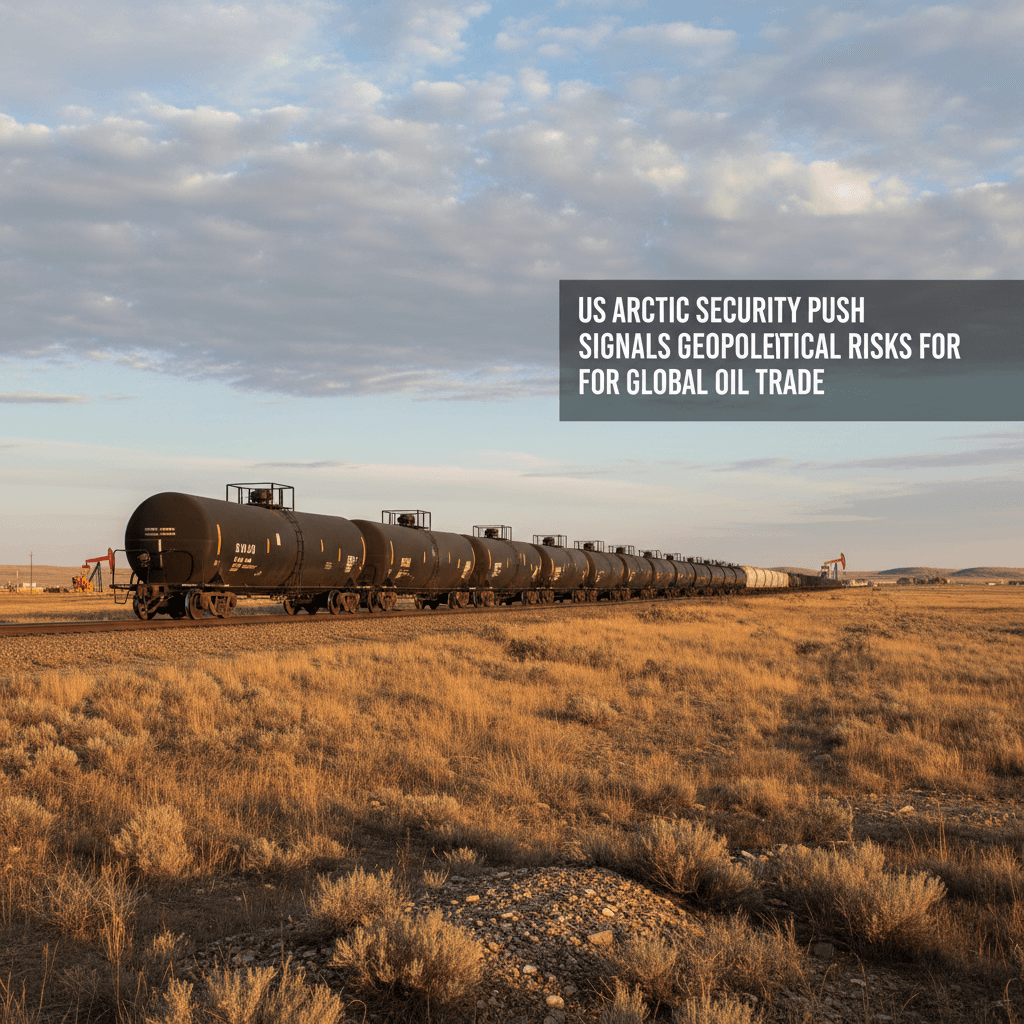
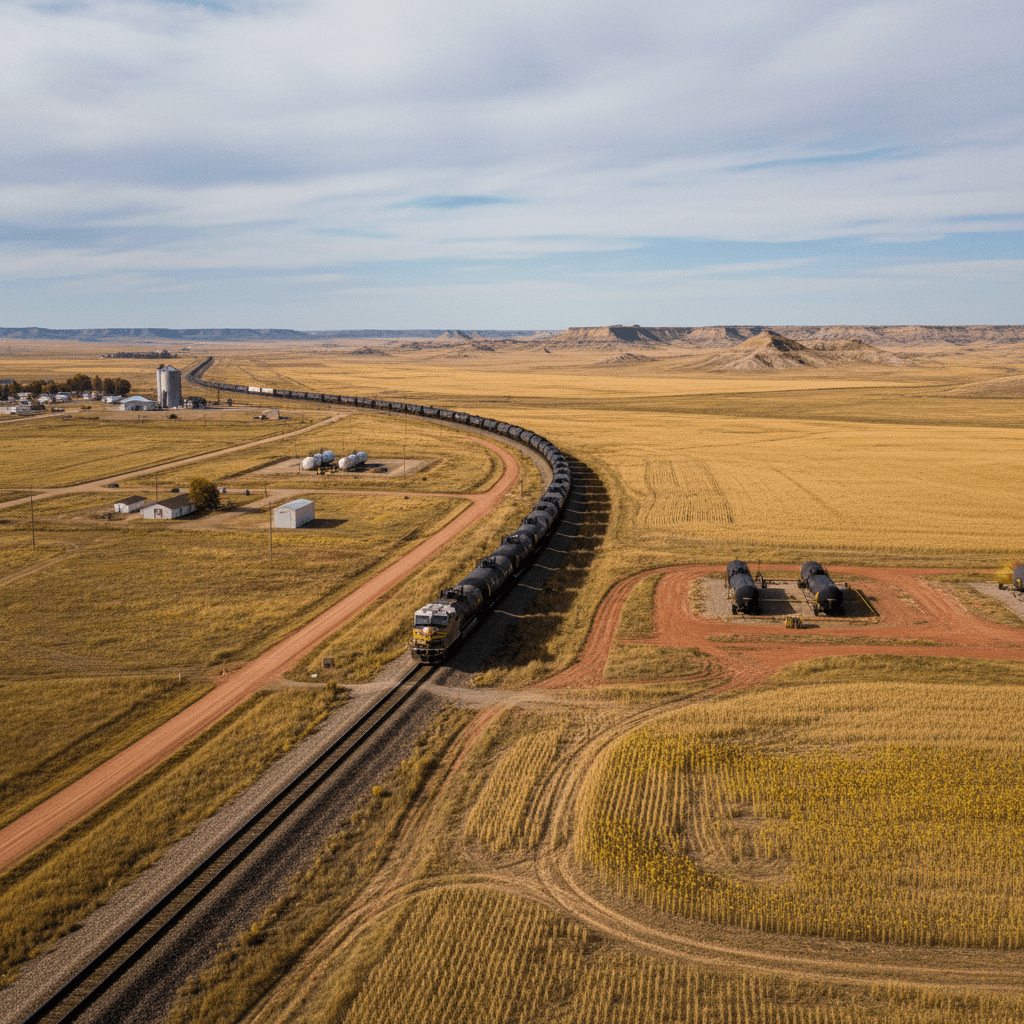
For Bakken operators and North Dakota royalty owners, these developments underscore the tight link between geopolitical events and the price received for Williston Basin crude. Any sanctions-induced disruption to global flows, particularly affecting large consumers like China and India, can alter the competitive landscape for U.S. exports. The bill's progress through Congress will be closely watched for its potential to tighten international markets and support oil prices.
Source
OilPrice.com, Rigzone