USGS Assesses Major Gas Resource, Global LNG Shifts, Bakken Research Advances
A federal assessment highlights a major Gulf Coast gas formation as global LNG disruptions continue and a $157 million research effort for the Bakken prepares to launch.
The U.S. Geological Survey has assessed a massive new technically recoverable natural gas resource in the Gulf Coast's Bossier Formation, according to a report from Rigzone. The USGS calculates the formation holds 343.5 trillion cubic feet of gas and three million barrels of oil. The agency stated these gas resources are enough to supply the United States for more than 10 years at the current rate of consumption.
The assessment, released May 8, highlights what the industry calls the "Western Haynesville" or "Waynesville" play. The USGS noted that recent industry drilling into deeper, higher-pressured shale reservoirs revealed more resources than previously thought. Since production began, the Bossier Formation has produced 3.8 trillion cubic feet of gas, which the USGS said is equal to nearly six weeks of U.S. consumption at the record-high 2025 level. USGS Director Ned Mamula stated the assessment points to significant undiscovered resources that the U.S. economy depends on.
Meanwhile, global LNG market disruptions are influencing buyer behavior. According to a separate Rigzone report, Pakistan has opted not to purchase urgent spot LNG cargoes for May delivery, betting that hostilities closing the Strait of Hormuz will ease. The country is relying on cheaper contracted supplies from Qatar. Pakistan has received only a single LNG shipment since early March, compared to an average of nine cargoes a month last year. The Strait of Hormuz has been virtually impassable since late February, choking off about a fifth of global LNG supply.
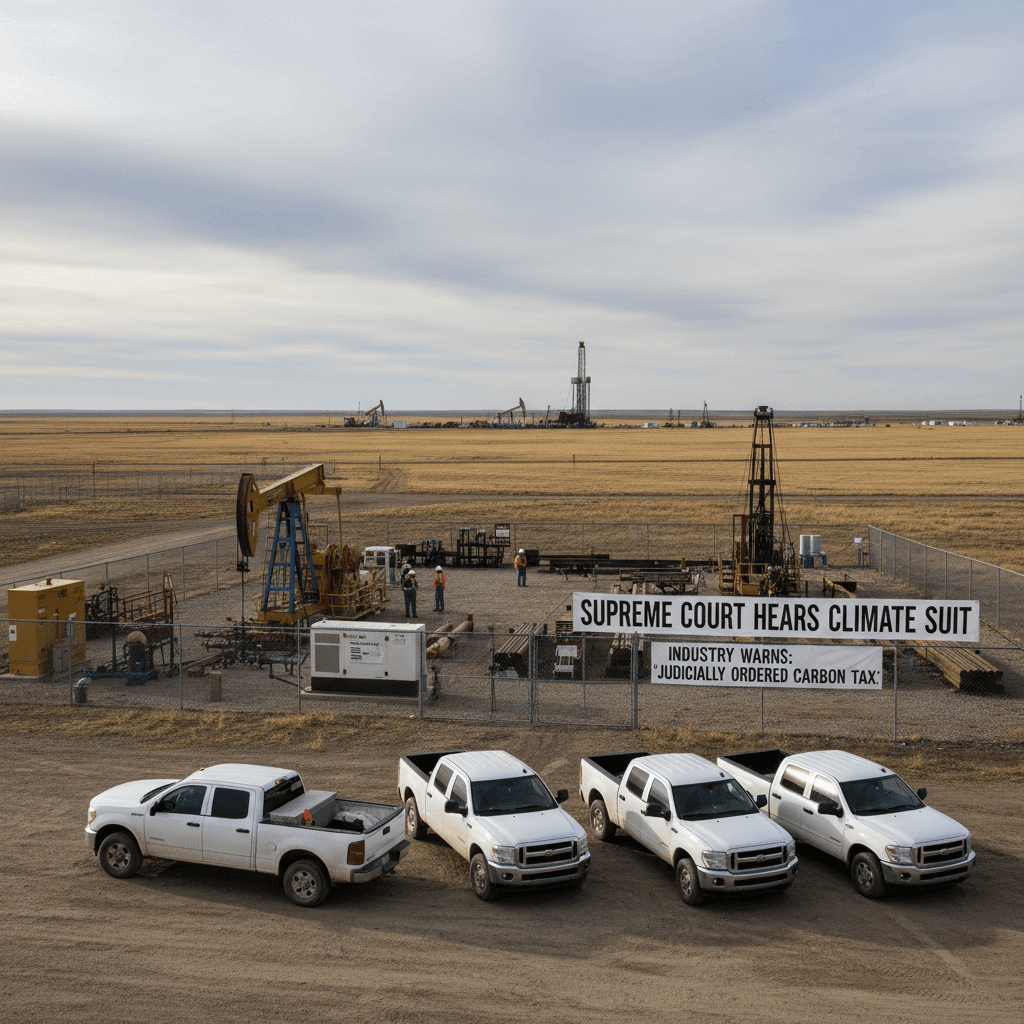
For Bakken operators, a major local research initiative is moving forward. A $157 million oil research effort aimed at boosting North Dakota production is expected to kick into high gear later this year, according to a summary from Bing News published May 8. The report states a prominent research center in North Dakota will play a lead role in the work to unlock the next stage of oil production from the Bakken formation.
The USGS Bossier assessment underscores the scale of domestic gas resources competing for capital and market share. The ongoing volatility in global LNG, demonstrated by Pakistan's shunning of high-priced spot cargoes, affects the broader gas price environment. Concurrently, the launch of targeted Bakken research represents a direct investment in the region's future production efficiency and resource recovery.
Source
Rigzone (USGS Bossier assessment, Pakistan LNG), Bing News (North Dakota oil research)