Venezuela Gear Repairs, Federal Land Sale Plan Draw Bakken Attention
Two Nov. 12 policy reports point to potential shifts in oilfield equipment flows and federal land access for Williston Basin producers.
Friday, Nov. 13, 2026 — Two policy developments reported by Rigzone on Nov. 12 are likely to draw attention from Bakken operators and royalty owners, even though neither report described North Dakota leases.
Venezuela is sending state-owned oil equipment to the United States for repairs for the first time in more than a decade, according to Rigzone. The move points to a limited reopening of a trade channel that has been constrained for years.
For Bakken operators, the broader significance lies in equipment logistics, service-market access and regulatory posture. The Bakken depends on a deep U.S. services base, so operators typically watch shifts in international equipment flows for signs of cost pressure, competition for shop capacity and changing trade-risk calculations.
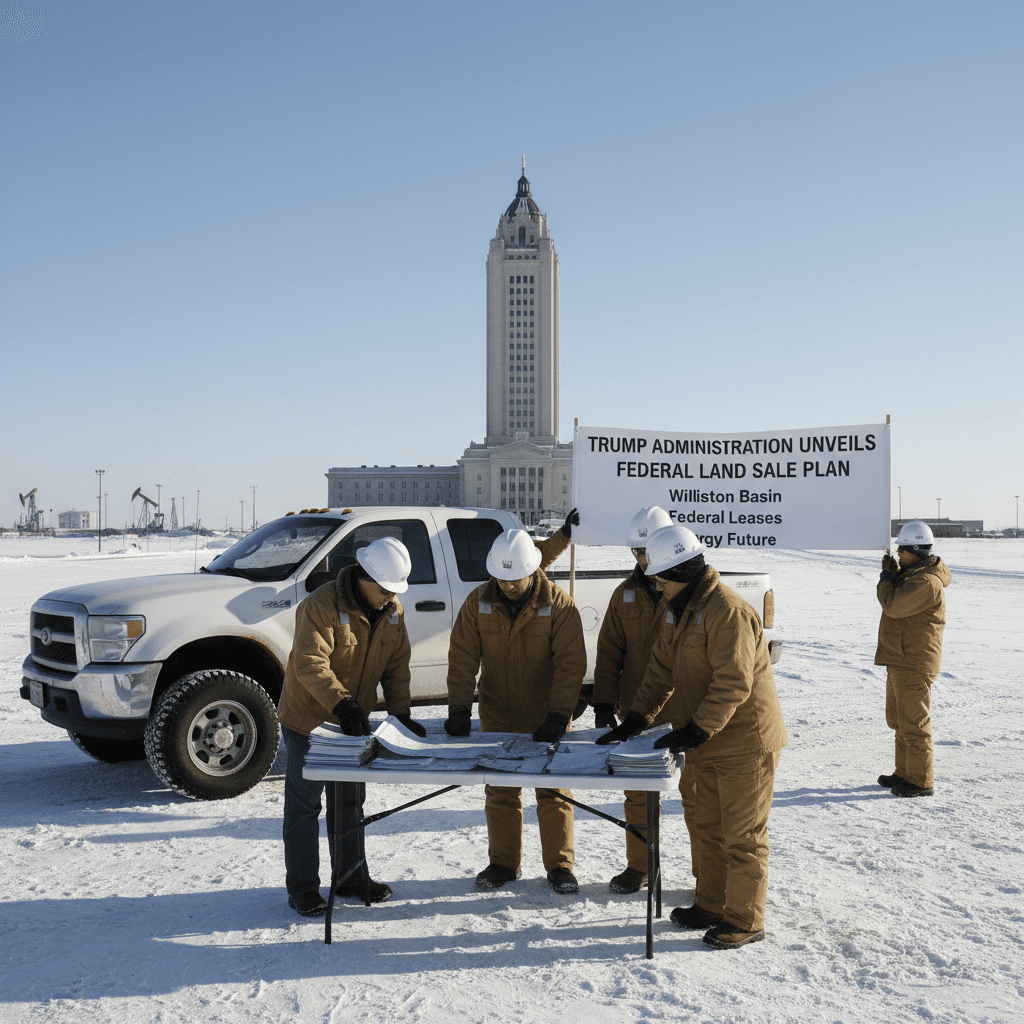
Rigzone also reported that the Trump administration unveiled plans to sell public land as part of a new strategy laying out Interior Department goals. For Bakken producers, federal-land policy matters because public acreage can influence where drilling, pipeline corridors and production infrastructure are developed.
Sales of federal land could alter the mix of public, private and state-controlled parcels available for oil and gas activity. Operators in the Williston Basin may need to monitor how Interior Department priorities affect leasing, permitting, environmental review and access to surface and subsurface rights.
The combination of equipment-trade and public-land signals may be especially relevant for operators that rely on service components and public-land access. Neither report described a direct change to Bakken production or leases, but both point to areas that can affect project timelines and development economics.
The two stories together underscore the regulatory environment Bakken companies face: supply-chain decisions can be shaped by international trade policy, while development options can be reshaped by federal land management. Neither report specified immediate changes to North Dakota production, and no new Bakken lease action was detailed.
But both developments touch issues that operators and royalty owners routinely track: availability of oilfield equipment, cost of services, public-land access and the pace of federal policy implementation.
Source
Rigzone