WTI Crude--
Brent Crude--
Natural Gas--
ND Rig Count--
WTI Crude--
Brent Crude--
Natural Gas--
ND Rig Count--
WTI Climbs Above $83, Bakken Differential Holds Steady - Bakken Wire
Oil Prices

WTI Climbs Above $83, Bakken Differential Holds Steady

Oil prices gain despite rising U.S. inventories, with Bakken crude trading at a $3.42 discount to WTI.

Bakken Wire Staff·☀️Morning Wire·

Front-month WTI crude oil futures rose 1.18% to settle at $83.41 per barrel on Sunday, November 22, while Brent crude gained 0.57% to $89.95. The benchmark Bakken differential was recorded at $-3.42 versus WTI. Natural gas prices also moved higher, adding $0.07 to $3.75 per MMBtu.

The price increase comes despite bearish U.S. inventory data reported last week. According to Rigzone, commercial crude oil stocks, excluding the Strategic Petroleum Reserve, rose by over 3 million barrels week-on-week to 417.797 million barrels as of November 13. Typically, a larger-than-expected build in inventories places downward pressure on prices.

The market's ability to absorb the inventory build and move higher may be linked to shifting global crude dynamics. Rigzone also reported that the "war premium" for USA sour crude grades has vanished, indicating changing supply perceptions that can influence the pricing landscape for all crudes, including the light sweet oil produced in the Bakken.

For Bakken operators, the current price environment presents a stable revenue outlook. With WTI above $83, local wellhead prices are effectively near $80 per barrel after accounting for the regional differential. This level is generally considered supportive for ongoing drilling and completion activity in the Williston Basin.

The broader context for North Dakota production appears mixed but resilient. According to a recent report from Bing News, North Dakota oil production numbers are up again, though experts anticipate prices will level off into 2027. This suggests operators may be enjoying strong current cash flows but are facing a forecast for more moderate price gains in the near future.

The steady Bakken differential, which reflects the cost to transport and market the crude to major hubs, indicates stable pipeline and rail logistics for getting Bakken barrels to market. A consistent discount helps producers manage price expectations and hedging strategies.

As the market looks ahead, the interplay between solid U.S. production, inventory levels, and evolving global crude differentials will be key for Bakken pricing. Operators will watch for signs that the anticipated leveling off in prices materializes, which could influence capital spending plans for the coming year.

Source

LIVE PRICE DATA, Bing News (2026-11-20), Rigzone (2026-11-20)
oil priceswtibrentbakken differentialnatural gasinventoriesproduction

Share this article

Related Articles

Oil Prices Rise on OPEC+ Cut Speculation, Bakken Discount Widens - Bakken Wire
Oil Prices

Oil Prices Rise on OPEC+ Cut Speculation, Bakken Discount Widens

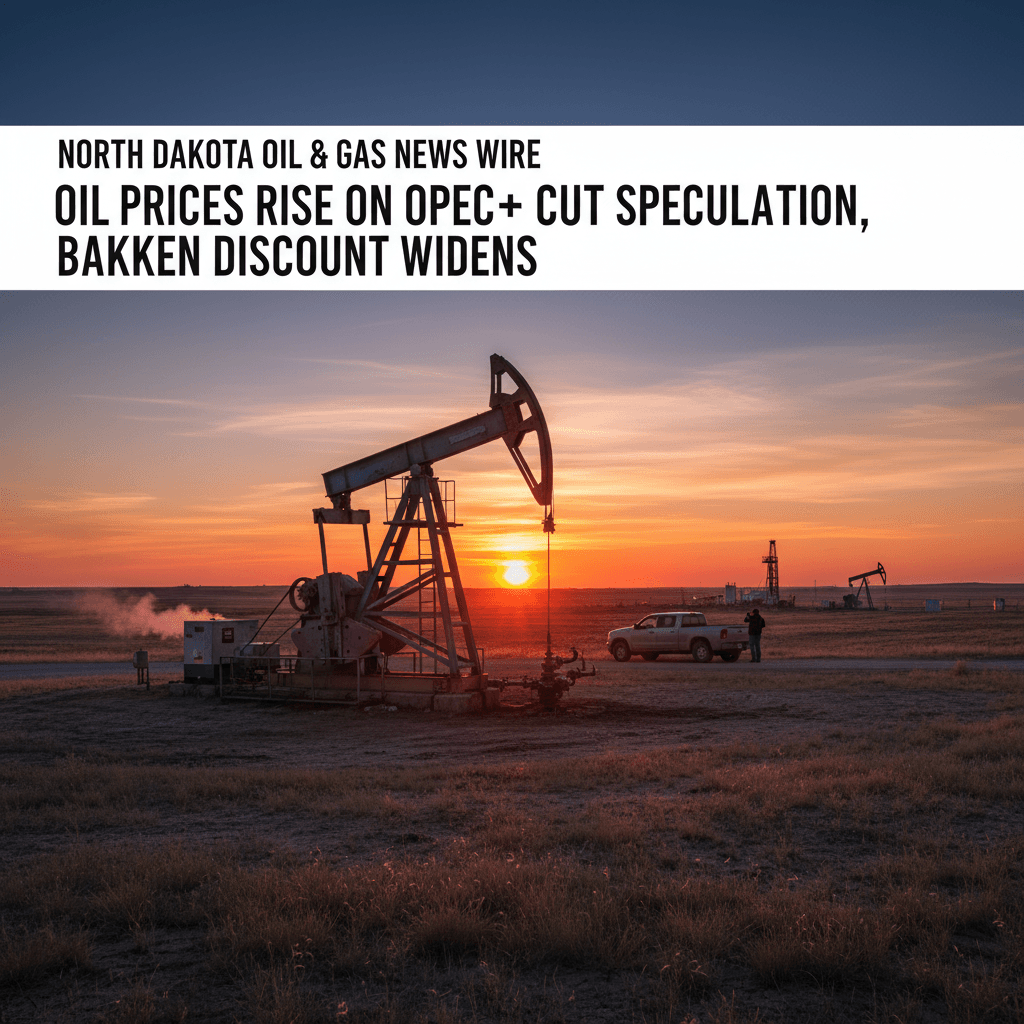
Oil prices climbed in trading Saturday, with U.S. benchmark West Texas Intermediate crude rising above $83 per barrel. The gains come amid market speculation about the potential extension of OPEC+ production cuts into 2027. WTI crude for January delivery settled at $83.41 per barrel, an increase of $0.97 or 1.18% for the session. The global benchmark, Brent crude, rose a more modest 0.57% to $89.95 per barrel, according to live price data. Natural gas also saw gains, adding $0.07 to reach $3.75 per MMBtu. The primary driver for the price increase appears to be anticipation surrounding the upcoming OPEC+ meeting. Analysts are widely expecting the producer group to prolong its current output reductions, which total over 5 million barrels per day, through the first half of next year. This expectation is providing a floor under prices despite ongoing concerns about global economic demand. For Bakken operators, the positive movement in...

🌅Afternoon Wire·Nov 21
Oil Prices Gain as Natural Gas Faces EIA Downgrade - Bakken Wire
Oil Prices

Oil Prices Gain as Natural Gas Faces EIA Downgrade

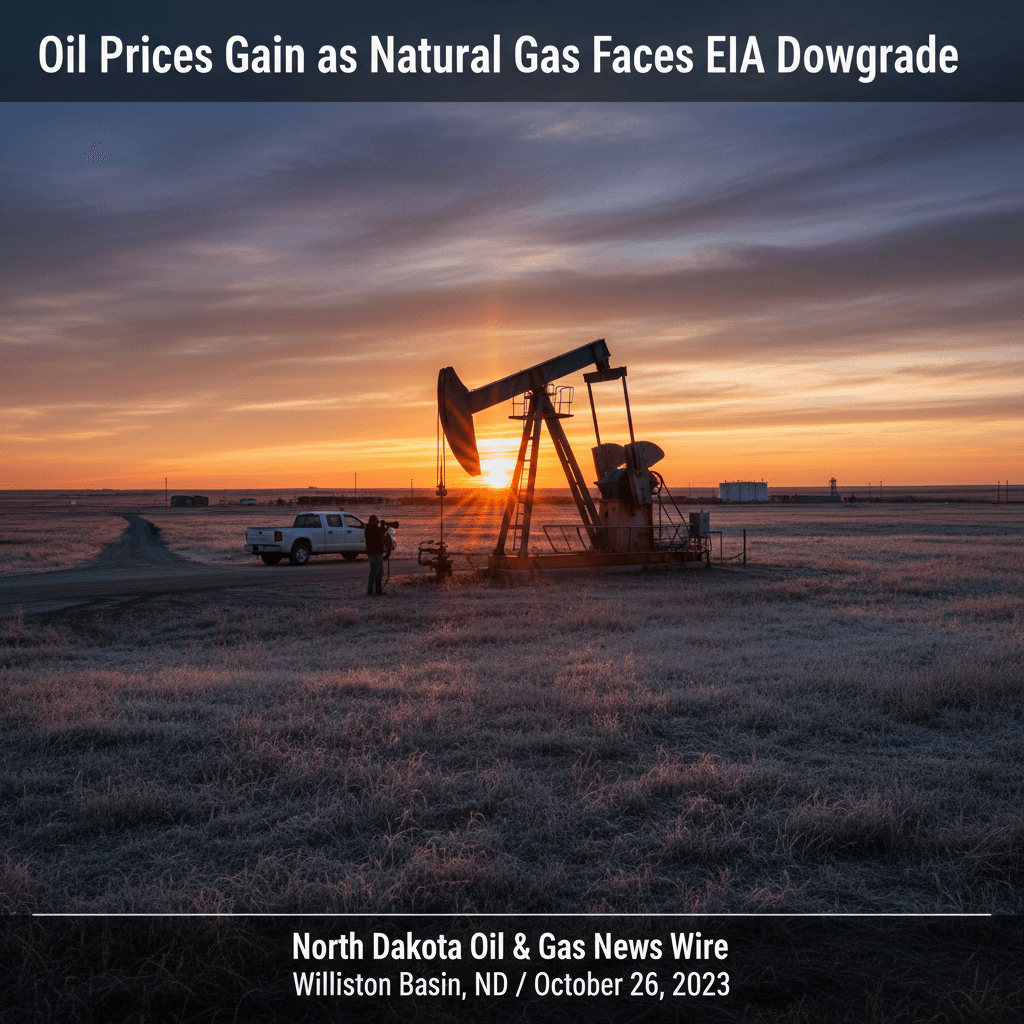
U.S. crude oil benchmarks posted solid gains in midday trading Saturday, providing a lift to Bakken producers, even as a new federal forecast projected weaker natural gas prices through next year. West Texas Intermediate (WTI) crude for January delivery was trading at $83.41 per barrel, up $0.97 or 1.18%, according to live price data. The global benchmark, Brent crude, rose $0.51 to $89.95 per barrel. The price strength tightened the discount for Bakken crude at the wellhead. The Bakken differential to WTI was recorded at $-3.42 per barrel, a competitive spread that supports operator revenues in North Dakota's premier oil field. Natural gas prices at the Henry Hub benchmark also saw an increase Saturday, rising $0.07 to $3.75 per million British thermal units (MMBtu). However, the near-term outlook for natural gas is under pressure from a bearish official forecast. According to Rigzone, the U.S. Energy Information Administration (EIA) projected in...

🔆Midday Wire·Nov 21
Oil Prices Climb as WTI Tops $83, Bakken Discount Widens - Bakken Wire
Oil Prices

Oil Prices Climb as WTI Tops $83, Bakken Discount Widens

Front-month WTI crude oil futures gained over 1% to trade at $83.41 per barrel Saturday morning, extending a weekly rally. The global benchmark Brent crude rose to $89.95. The price for Bakken crude at the wellhead, however, traded at a discount of $3.42 below WTI, according to live price data. The gains come despite a reported build in U.S. commercial crude inventories. According to Rigzone, citing the U.S. Energy Information Administration's weekly report, crude stocks, excluding the Strategic Petroleum Reserve, rose by over 3 million barrels to 417.797 million barrels for the week ending November 13. Typically, a larger-than-expected inventory build would pressure prices, suggesting other factors are supporting the market. One factor is the shifting dynamic for sour crude grades. Rigzone reported that the "war premium" for USA sour crudes has vanished, indicating a potential easing of geopolitical supply concerns that had previously supported certain oil benchmarks. This normalization...

☀️Morning Wire·Nov 21