Alberta Seeks National Interest Status for West Coast Oil Pipeline
The move for a new oil sands conduit to the Pacific could indirectly affect Bakken crude market dynamics.
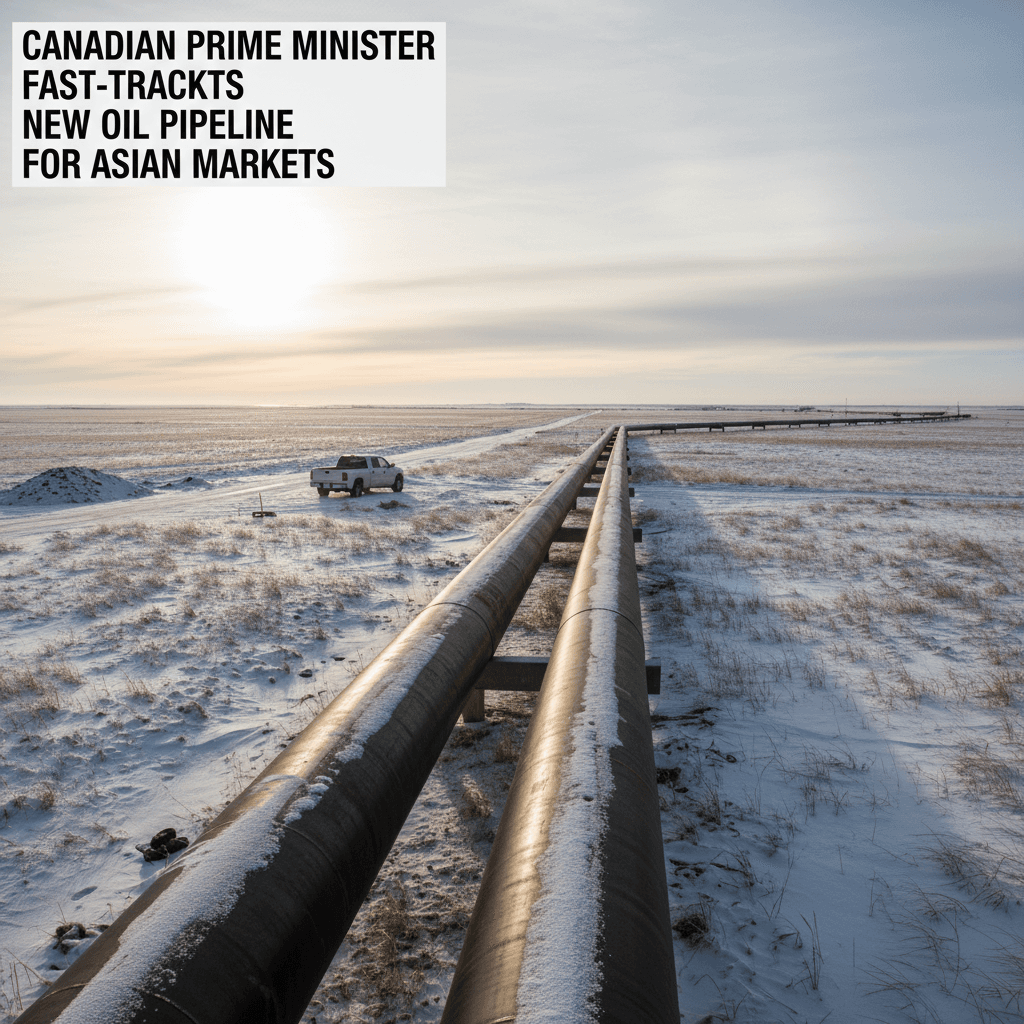
The government of Alberta has applied to formally designate its proposed West Coast Oil Pipeline as a project of national interest, according to a report from Rigzone. The application, reported on July 3, 2026, is a procedural step for the new pipeline intended to carry Alberta oil sands crude to the coast of British Columbia for potential export to Asian markets.
For operators in North Dakota's Bakken formation, the advancement of a major Canadian export pipeline carries significant long-term market implications. Increased Canadian crude access to global markets, particularly in Asia, could influence the competitive landscape for U.S. light sweet crude, which includes Bakken production. Historically, constraints on Canadian export capacity have kept more crude within the North American market, affecting price differentials and transportation economics.
The development of new export capacity from Canada's west coast could alter flow patterns and demand for pipeline space within the continent's interconnected network. Bakken crude, which often moves to refining hubs in the U.S. Midwest, Gulf Coast, and occasionally the West Coast, may face shifting competitive pressures if more Canadian supply reaches tidewater. The "national interest" designation sought by Alberta aims to streamline regulatory hurdles, indicating a renewed political push to advance the project.
While the project is specifically for oil sands crude, its progress is closely monitored by Bakken stakeholders. Any expansion of continental pipeline infrastructure and export capability can impact regional pricing benchmarks, like the Bakken Clearbrook price, and the economics of wellhead production. The move underscores the ongoing competition for market share and premium pricing between major North American shale basins and Canadian oil sands.
Source
Rigzone