Analysts Point to Ample Supply, SPR as Oil Prices Show Limited Reaction to Conflict
Industry observers cite global crude inventory levels and strategic reserves as factors tempering market volatility, with implications for Bakken production economics.
Despite heightened geopolitical tensions, analysts note that global crude oil prices have shown a surprisingly muted response to recent conflict between the USA and Iran. According to a report from Rigzone, experts from Standard Chartered, Wood Mackenzie, and the American Enterprise Institute point to substantial global inventories and the potential use of strategic petroleum reserves as key factors preventing a sharp price spike.
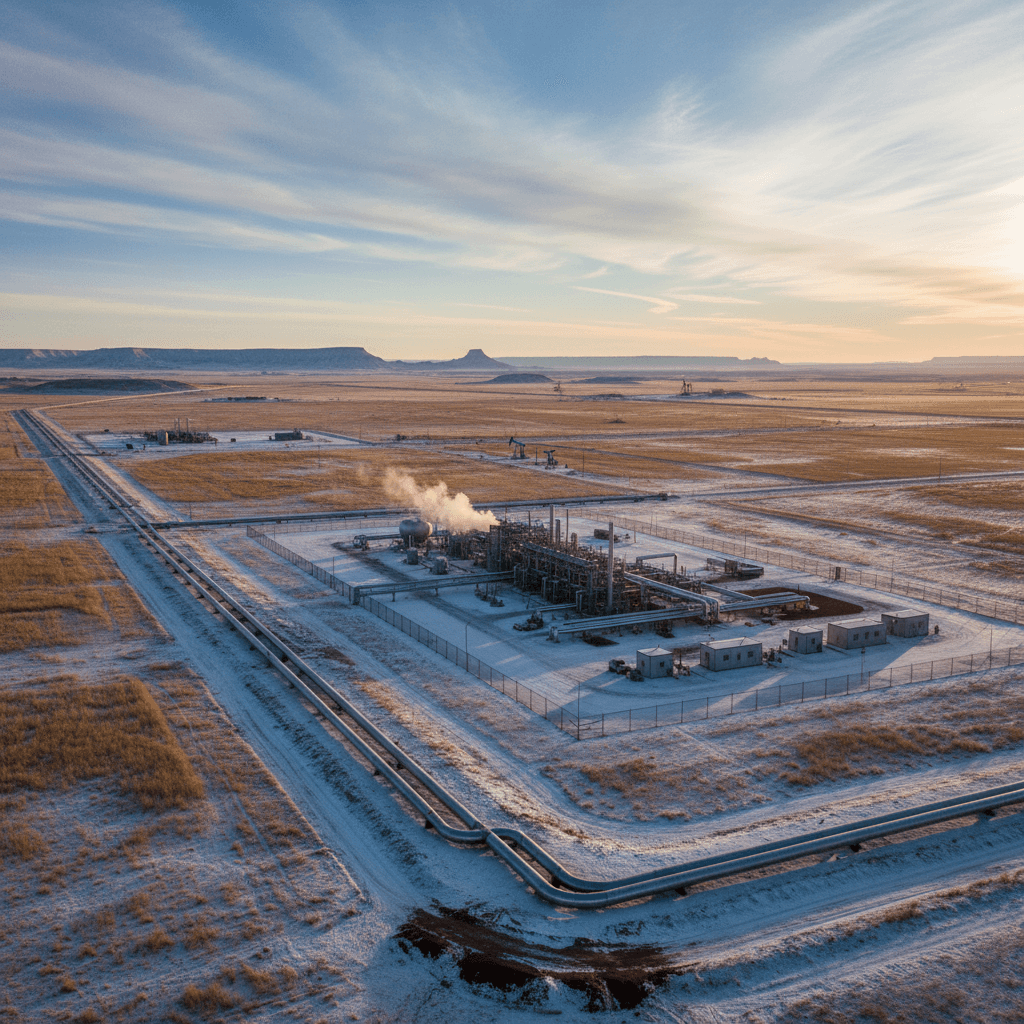
For Bakken operators, sustained lower-than-expected price volatility can influence capital planning and drilling budgets. A stable, albeit potentially capped, price environment may support steady production but could limit the revenue upside needed to accelerate activity in North Dakota's core shale play. The analysis suggests the market is currently well-supplied, which can pressure the price differentials for Bakken crude at the wellhead.
In other midstream and production news, Rigzone separately reported that Perenco has restarted gas production at the Davy field in the UK North Sea. The field resumed flows at a rate of approximately 14 million cubic feet per day, following a five-year shut-in period.
While this development is geographically distant, it underscores a global trend of bringing shut-in production back online to meet demand. For the Bakken, similar dynamics apply, where existing wells and infrastructure are critical for maintaining output. The ability to quickly restart or adjust production, whether in the North Sea or the Williston Basin, remains a factor in balancing global and regional energy markets.
The current market analysis indicates that near-term price risks for Bakken crude may be tempered by these broader supply fundamentals, focusing operator strategy on efficiency and cost control.
Source
According to Rigzone reports published May 15, 2026.