WTI Crude--
Brent Crude--
Natural Gas--
ND Rig Count--
WTI Crude--
Brent Crude--
Natural Gas--
ND Rig Count--
Asian Refiners Buy US Crude as Bakken Workforce Drops - Bakken Wire
Pipeline & Infrastructure

Asian Refiners Buy US Crude as Bakken Workforce Drops

Pipeline roundup: Bulk export deals and uncertain Q3 price outlook highlight a shifting market for North Dakota oil.

Bakken Wire Staff·☀️Morning Wire·

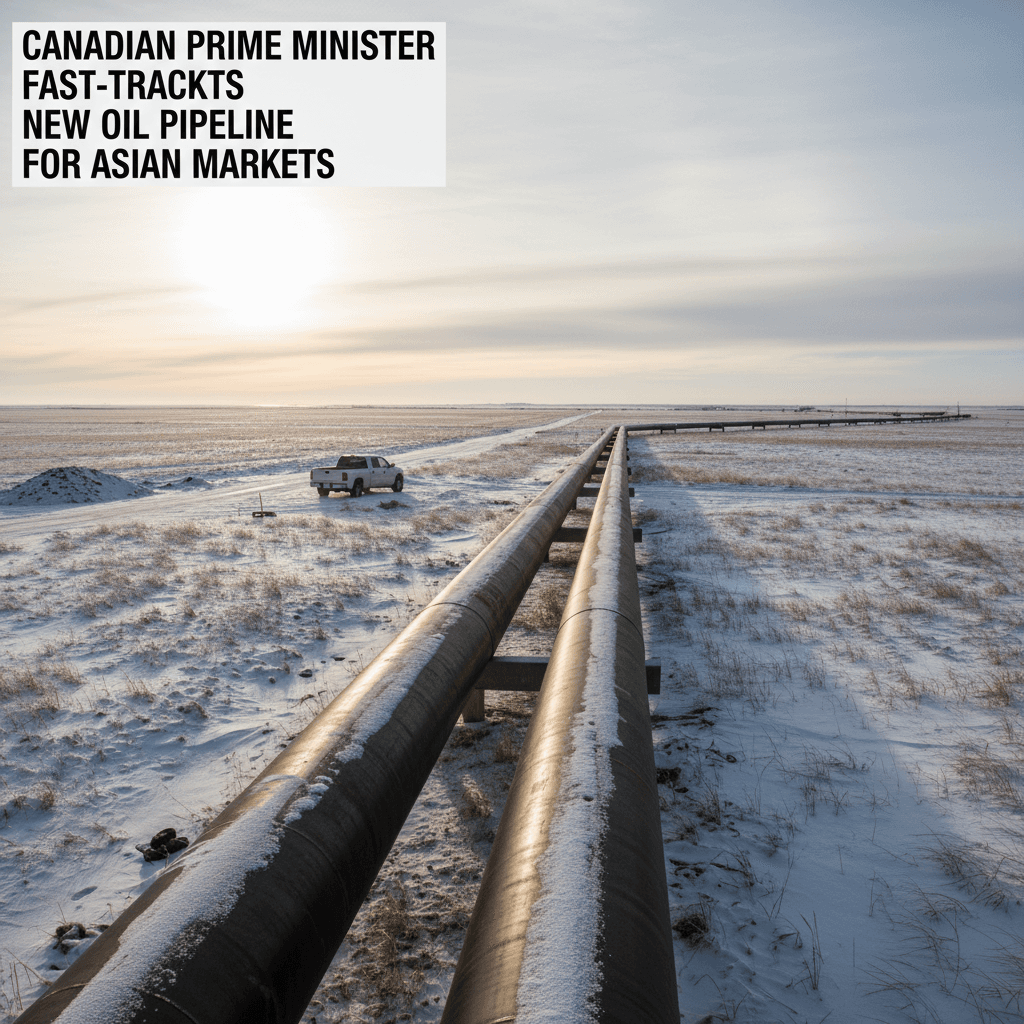
At least 11 million barrels of U.S. crude were sold to Asian refiners late on Tuesday, according to traders cited by Rigzone. The report indicated more deals may follow, underscoring the continued global demand for light, sweet crude grades like those produced in the Bakken formation.

The U.S. oil and gas extraction workforce declined from May to June, according to data from the U.S. Bureau of Labor Statistics reported by Rigzone. The drop in industry employment highlights ongoing operational and economic pressures facing producers.

Analysts at BMI warned that the outlook for oil prices in the third quarter of 2026 is now highly uncertain, Rigzone reported. This volatility creates planning challenges for Bakken operators who must set capital budgets and drilling schedules.

For North Dakota, the bulk sale of U.S. crude to Asia reinforces the critical importance of pipeline and export infrastructure. Bakken crude, which often travels to the Gulf Coast via pipeline, is a key component of U.S. export volumes. Sustained international demand helps support local wellhead prices and provides a market for the state's steady production.

The concurrent dip in industry employment, however, suggests that broader market forces or efficiency gains may be impacting staffing levels even as crude finds overseas buyers. The combination of a strong export signal and a shrinking workforce points to an industry focused on capital discipline and operational efficiency.

The uncertain price forecast for Q3 adds another layer of complexity. Bakken operators and royalty owners must navigate this unpredictability, where any dip in prices could pressure margins, while a price surge could spur increased activity.

Source

Rigzone (July 15, 2026)
crude oil exportsemploymentworkforceoil pricesmarket outlookbakken

Share this article

Related Articles

Standing Rock Pipeline Protests Mark 10-Year Anniversary, Recalling 2016 Flashpoint - Bakken Wire
Pipeline & Infrastructure

Standing Rock Pipeline Protests Mark 10-Year Anniversary, Recalling 2016 Flashpoint

The protests over the Dakota Access Pipeline (DAPL) reached a critical flashpoint in early September 2016, an event marking its 10-year anniversary this week, according to a report from the North Dakota Monitor. The $3.7 billion crude oil pipeline project ignited a months-long conflict after the U.S. Army Corps of Engineers approved its route half a mile outside the Standing Rock Sioux Reservation. The decision framed a national debate pitting American energy infrastructure against tribal sovereignty and environmental concerns. While developers and state officials argued modern steel pipelines were safer for fossil-fuel transit than railroads or trucks, the Standing Rock Sioux Tribe and a growing movement of allies contended the project threatened water sources, sacred sites, and the environment. What began as a smaller protest swelled into a major encampment south of Bismarck, drawing thousands of Indigenous people and activists from around the world. High-profile supporters, including actors Shailene Woodley...

🔆Midday Wire·Sep 6
Pipeline & Infrastructure

Decade Since DAPL Protests Began, Standing Rock Flashpoint Remembered

This week marks ten years since protests over the Dakota Access Pipeline (DAPL) intensified into a major conflict at the Standing Rock Sioux Reservation in North Dakota. According to a report from the Williston Herald, the world's attention turned to the state in early September 2016 after the U.S. Army Corps of Engineers approved plans for the $3.7 billion crude oil pipeline half a mile outside the reservation. The decision sparked a months-long standoff that pitted American energy development against tribal sovereignty. A grassroots movement of Indigenous protesters and allies from around the world argued the project threatened water supplies, sacred tribal sites, and the environment. Developers and state officials, meanwhile, maintained that modern steel pipelines offered safer fossil-fuel transit than railroads or trucks. Thousands of people, including Native Americans and climate activists, flocked to the plains south of Bismarck. Their numbers grew to the point of threatening to overwhelm...

☀️Morning Wire·Sep 6
Pipeline & Infrastructure

Standing Rock Pipeline Protests Reached Critical Flashpoint 10 Years Ago

The protest movement against the Dakota Access Pipeline (DAPL) reached a major flashpoint in early September 2016, drawing thousands to the Standing Rock Sioux Reservation and igniting a national debate over energy and tribal rights. According to a report from the North Dakota Monitor via Bing News, the conflict intensified after the U.S. Army Corps of Engineers approved plans for the $3.7 billion crude oil pipeline to run half a mile outside the reservation. The project created a stark confrontation between American energy infrastructure and tribal sovereignty. Pipeline developers and state officials argued that modern steel pipelines offered safer fossil-fuel transit than railroads or trucks. Meanwhile, the Standing Rock Sioux Tribe, led by then-Chairman Dave Archambault II, and allies contended the pipeline threatened water sources, sacred sites, and the environment. What began as a smaller protest swelled into a major encampment on the plains south of Bismarck. Thousands of Indigenous...

🌅Afternoon Wire·Sep 5