Bakken Pipeline Activity Roundup: April 2026
Market volatility and midstream developments highlight a dynamic month for basin operators.
Oil prices retreated from recent highs at the end of April, introducing a note of caution for Bakken producers planning capital expenditures. According to Rigzone, Brent crude settled lower on April 30 after a surge, pulling back from a four-year high. The report attributed the volatility to algorithmic trading and thin market volumes.
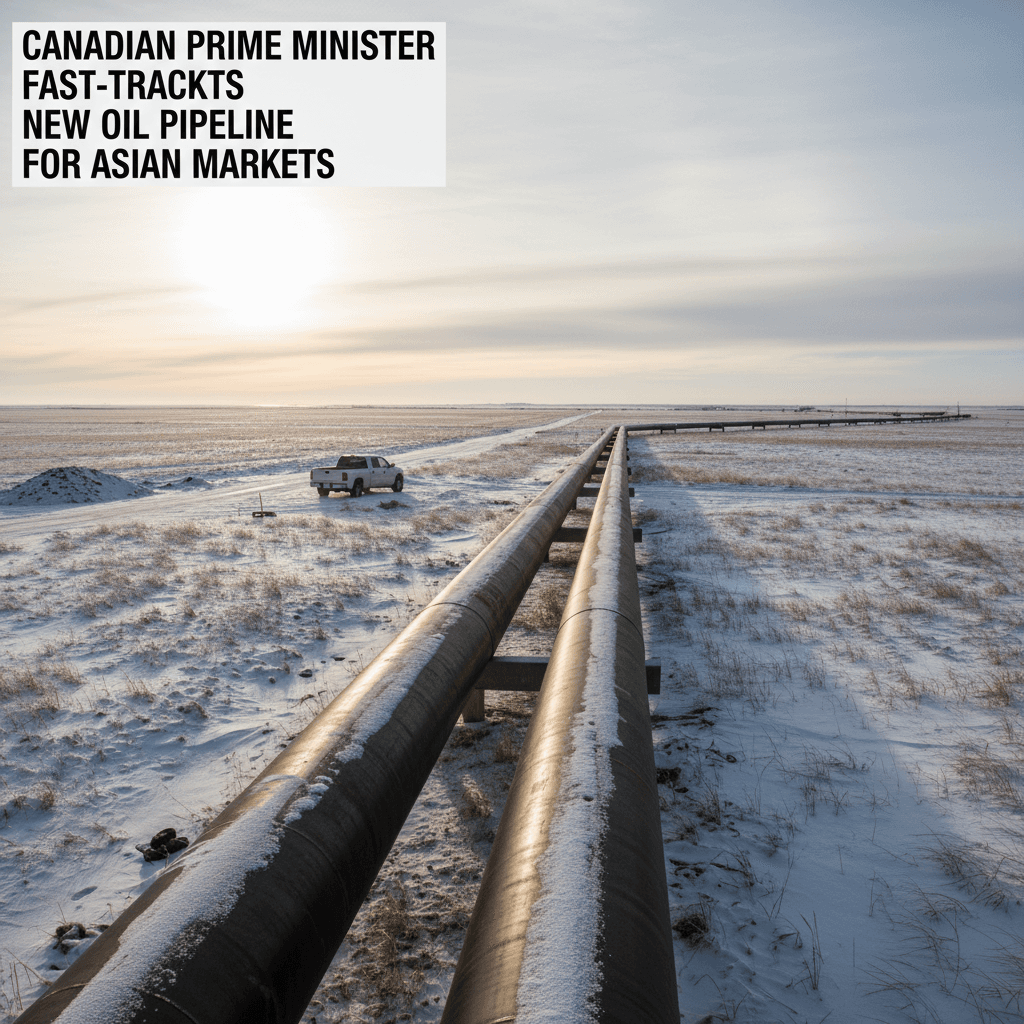
This price movement underscores the importance of cost-effective midstream infrastructure for Bakken operators. While specific new pipeline projects were not announced in the provided sources, the general market context remains critical. Efficient transportation networks are key to maintaining profitability margins when commodity prices experience swings.
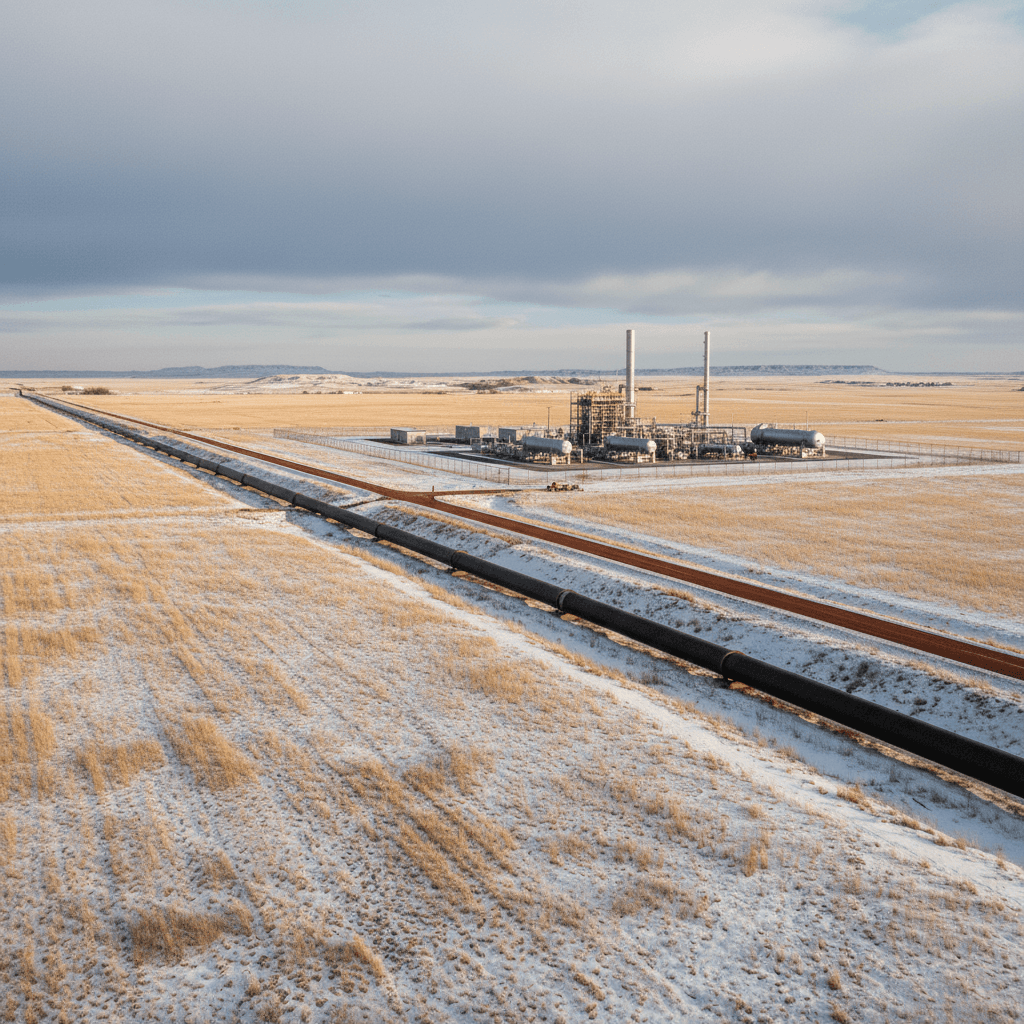
For the Bakken formation, a mature shale play, pipeline capacity determines the netback price producers receive. Expansions and optimization of existing systems directly impact the bottom line for companies operating across the Williston Basin. Stable takeaway capacity helps mitigate the effects of short-term price volatility seen in global markets.
The focus for many Bakken midstream companies continues to be on system reliability and volume commitments. Pipeline roundups typically monitor announcements regarding new construction, regulatory filings, capacity expansions, and tariff rates, though none were specified in today's source data. Such developments are closely watched by royalty owners and operators alike.
Market analysts often view robust pipeline infrastructure as a stabilizing force for regional production. As the primary oil-producing region in North Dakota, the Bakken's output relies on a network of pipelines to reach refining and export hubs. The interplay between global price signals and local logistics defines the operational landscape.
Source
Market context from Rigzone published April 30, 2026.