Bakken Rig Count Holds at 21 as Oil Prices Retreat Sharply
North Dakota's active drilling fleet remains at a multi-year low, suggesting production declines will continue despite high absolute price levels.
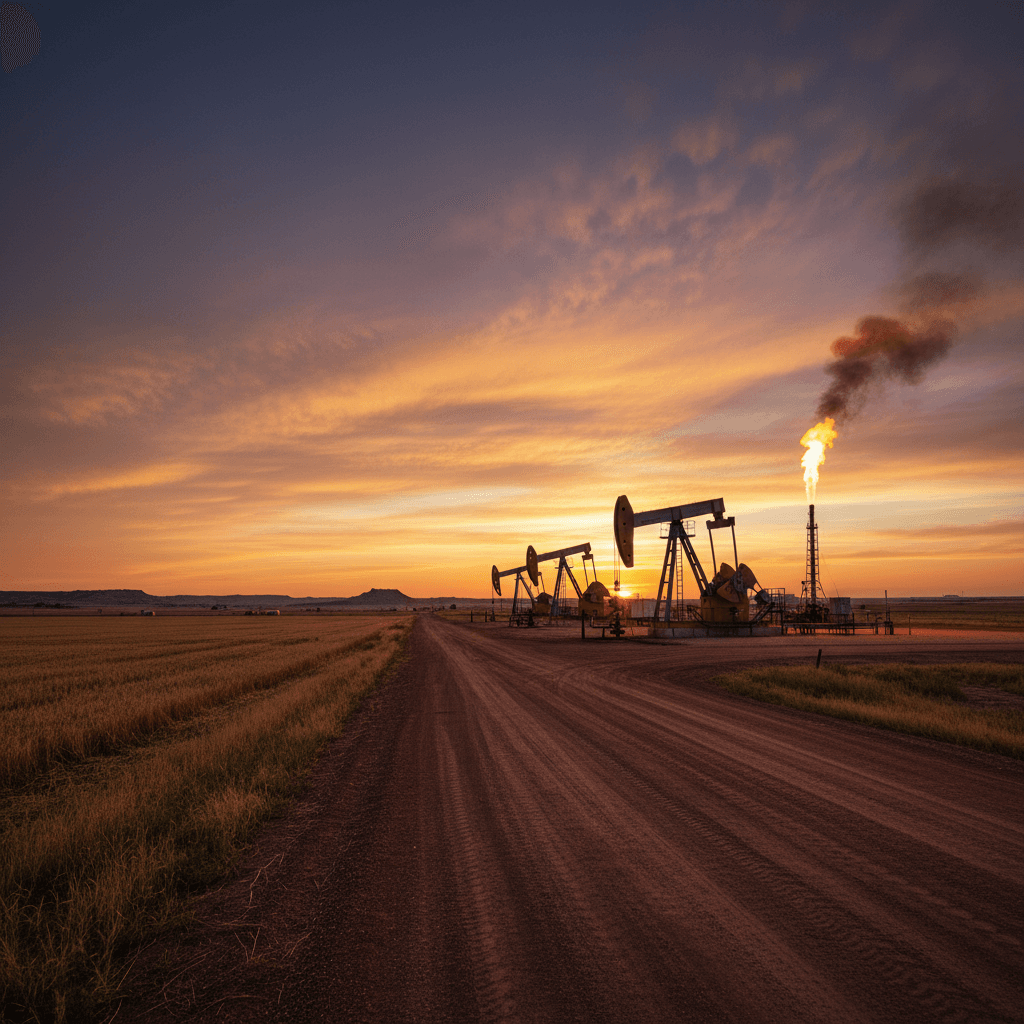
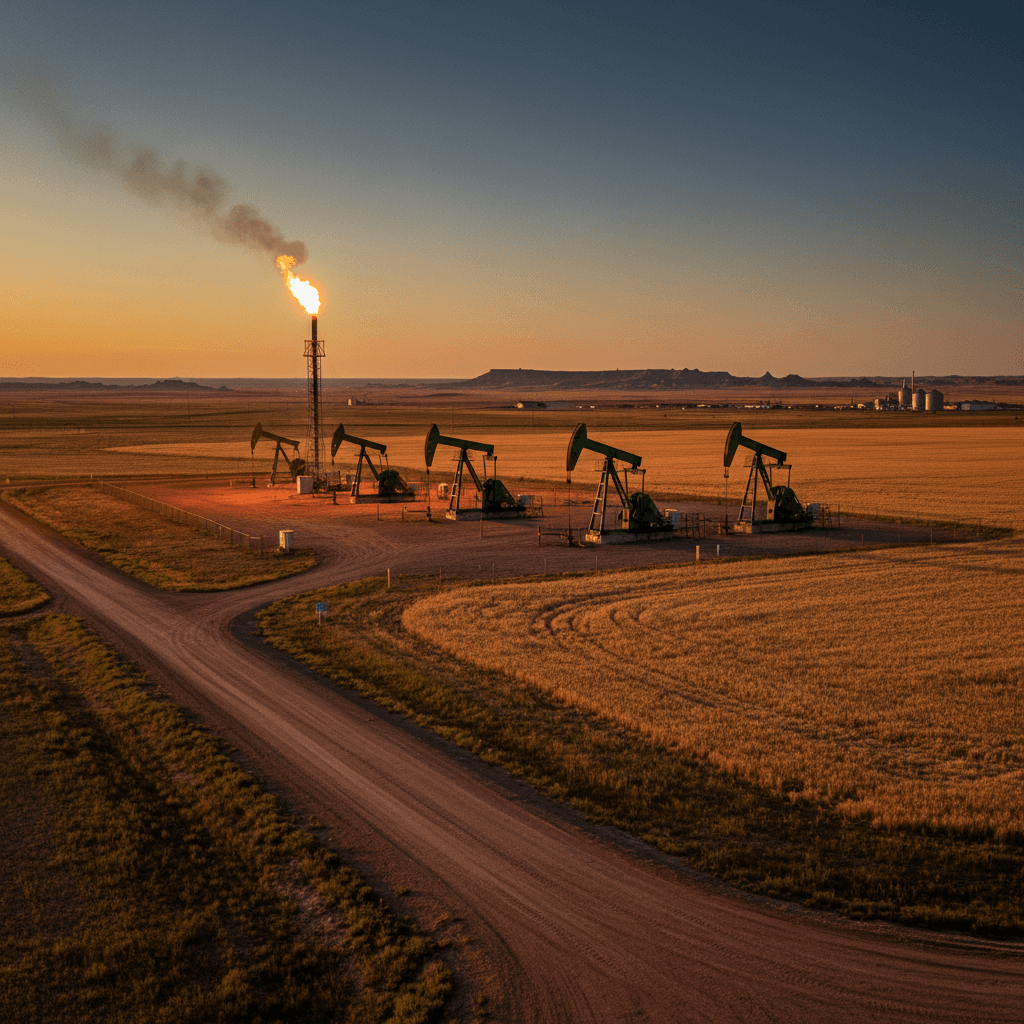
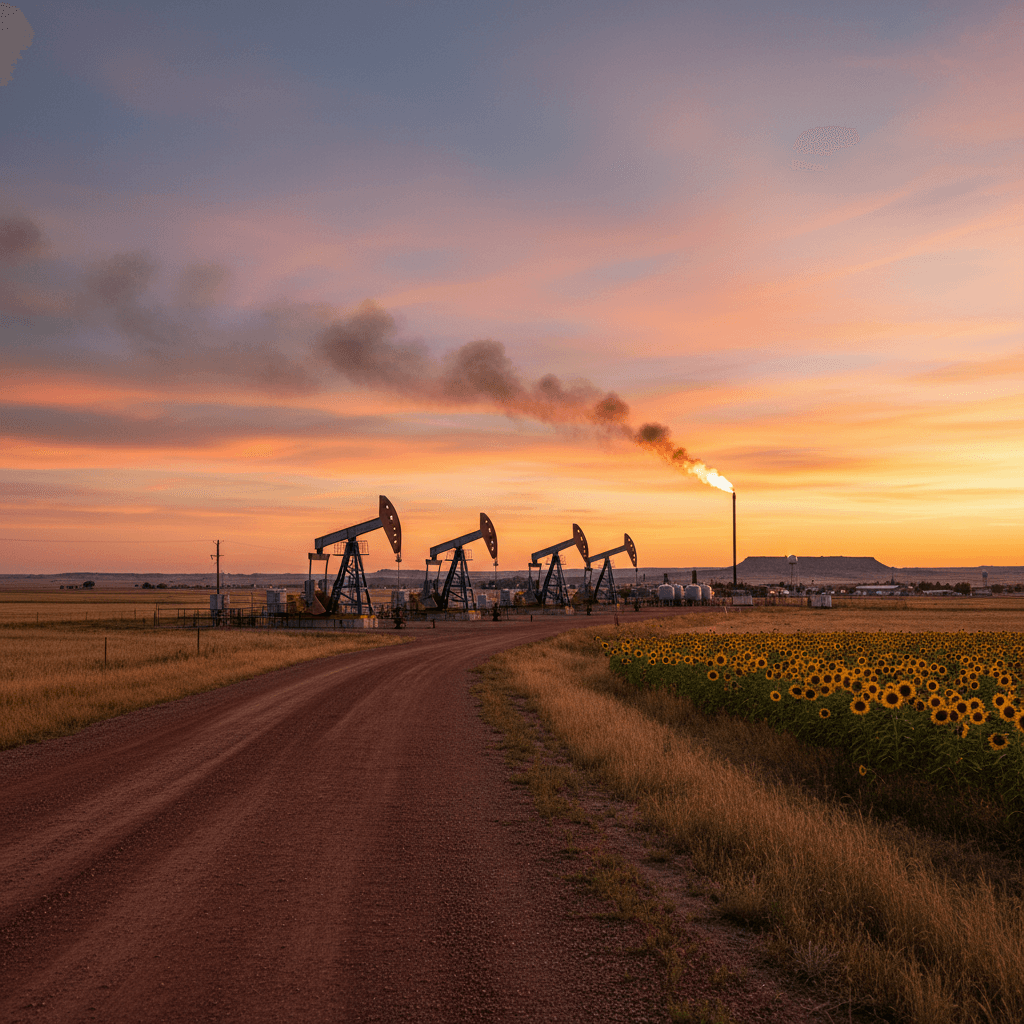
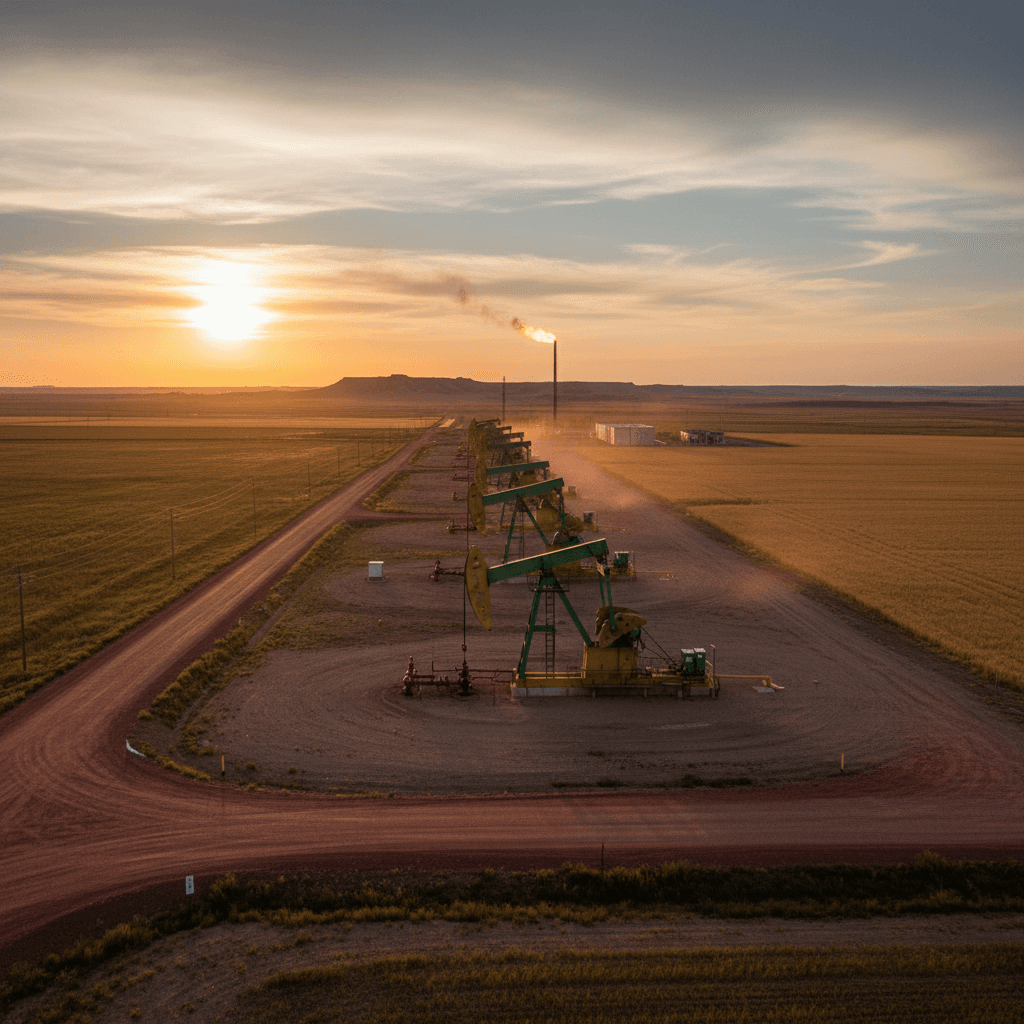
North Dakota's active drilling rig count held steady at 21 this week, according to the latest Bakken Wire live data, as a sharp midday sell-off in crude oil markets added new uncertainty to the production outlook for the nation's third-largest oil-producing state.
The number of rigs actively drilling for oil and gas in the state has been range-bound between 20 and 25 for several months, a level last seen in the early 2000s before the shale boom. This stagnant activity points to a continued gradual decline in the state's crude output over the coming months. The current rig count is a fraction of the peak of over 200 seen in 2012 and the 50-60 rigs that were typical in the years prior to the 2020 market crash.
The drilling slowdown comes despite Wednesday's West Texas Intermediate (WTI) crude price of $98.67 per barrel, a historically high level. However, that price represents a steep midday decline of $5.48, or 5.26%. The international Brent benchmark fell even further to $105.18, down $6.10. The Bakken crude differential—the discount at which North Dakota oil trades versus WTI—was recorded at $-3.42.
The relationship between rig count and production is a lagging indicator, typically taking six to nine months for changes in drilling activity to materially affect output. The persistently low rig count over the past year is the primary factor behind North Dakota's stalled production, which has struggled to return to its pre-pandemic record of nearly 1.5 million barrels per day.
For Bakken operators, the high but volatile price environment creates a complex planning scenario. While $98 WTI provides strong cash flow for existing wells, the rapid price drop underscores market instability. The low rig count indicates that majors and independent producers remain focused on capital discipline and shareholder returns over aggressive growth, prioritizing the drilling of only their highest-return locations.
Natural gas prices, often a secondary concern for the primarily oil-focused Bakken, were recorded at $3.02 per MMBtu. The combination of moderate gas prices and a focus on oil breakevens means associated gas production will continue to follow the trajectory of oil output.
The outlook for North Dakota production remains one of managed decline. Without a significant and sustained increase in the rig count, which would require both stable high prices and a shift in corporate strategy, the state's output is likely to continue its gradual downward trend through the rest of 2026.
Source
Bakken Wire live data as of midday, May 20, 2026.