Bakken Rig Count Holds at 23 as Oil Prices Signal Support
Steady activity level and strong crude prices suggest stable near-term production outlook for North Dakota operators.
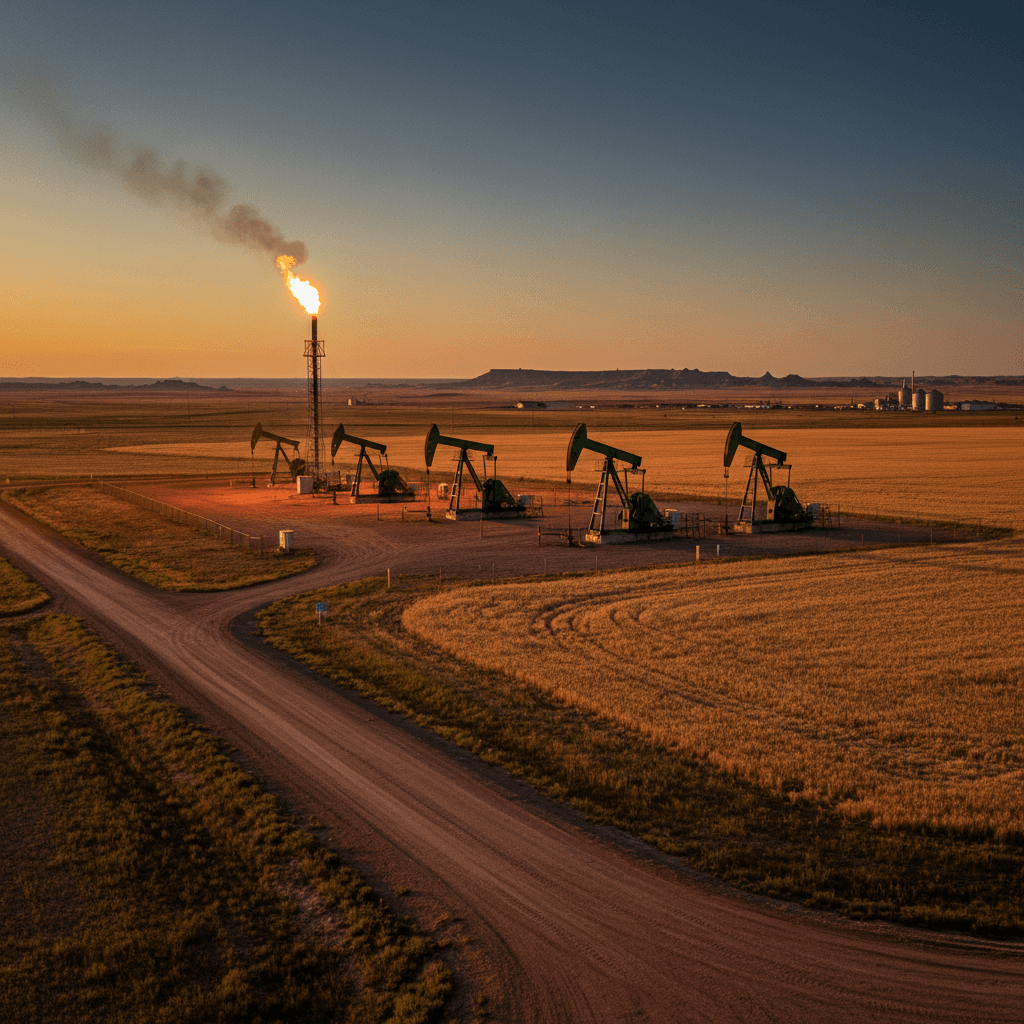
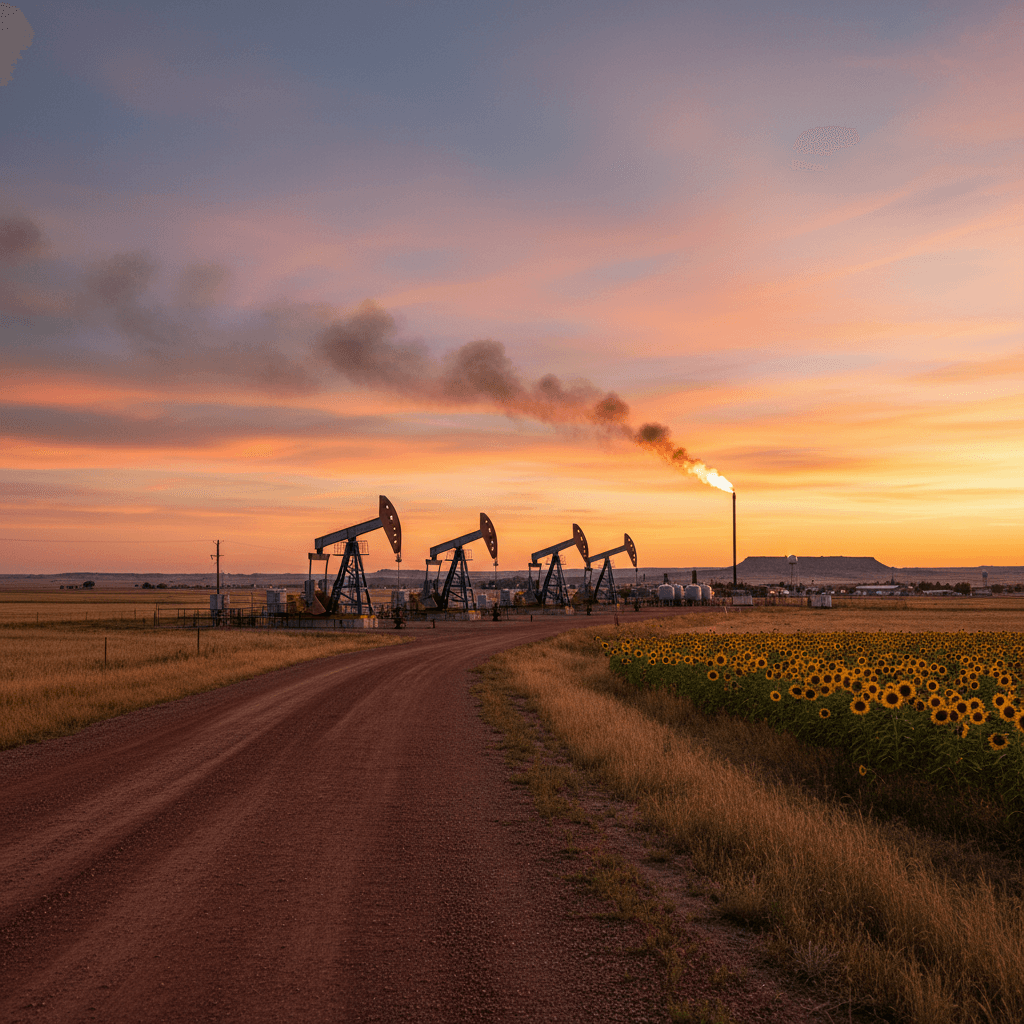
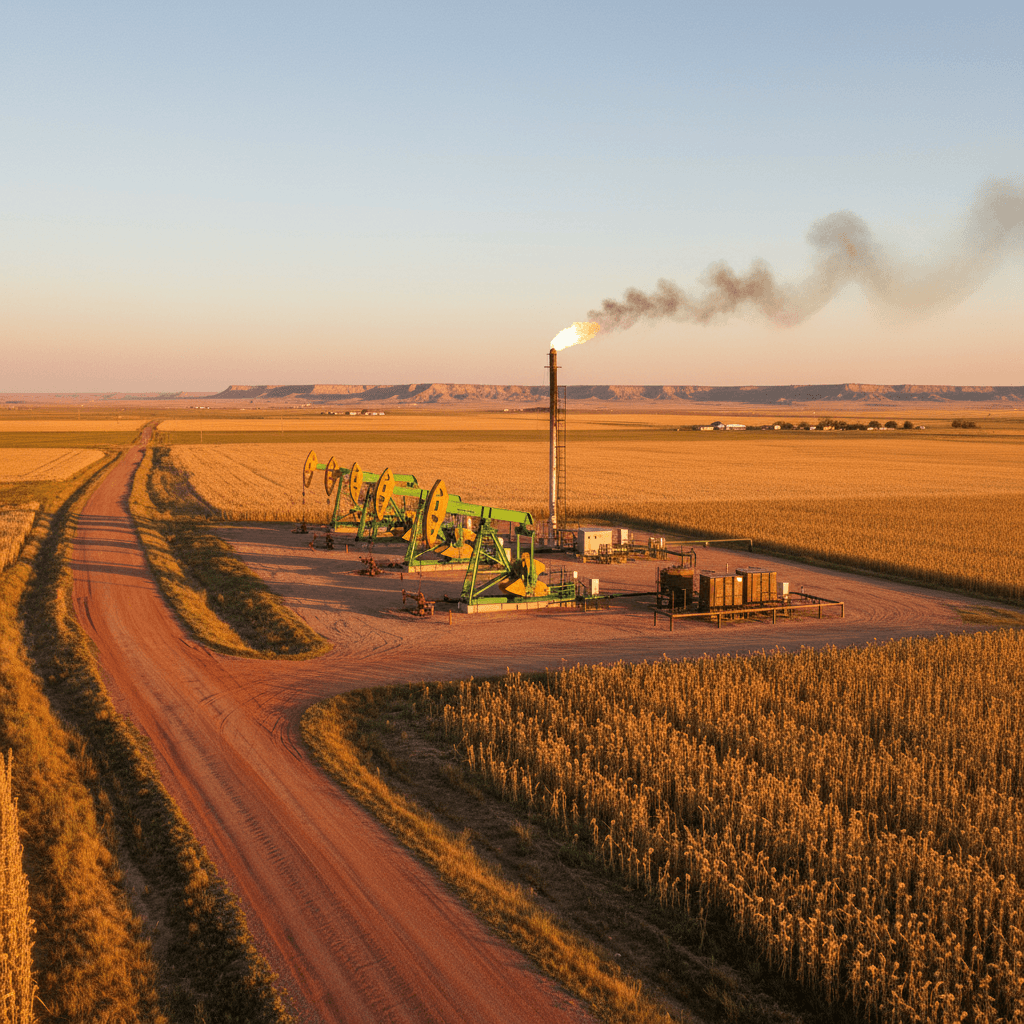
North Dakota's oil and gas activity showed stability at the start of the week, with the state's active rig count holding at 23, according to live Bakken data for Monday, April 27, 2026. The figure provides a key indicator of near-term drilling intentions by operators in the Williston Basin.
The current rig count sits at a level that has historically supported maintaining production from the Bakken formation's large inventory of existing wells. A sustained rig count in the low-to-mid 20s is typically associated with a relatively flat production trajectory, offsetting natural decline rates from legacy wells without driving significant volumetric growth.
Supporting the current pace of activity are robust crude oil prices. West Texas Intermediate (WTI) crude traded at $95.05 per barrel, up $0.65 on the day. The global benchmark, Brent crude, was above the $100 mark at $100.13, a gain of $1.01. The strong price environment provides favorable economics for Bakken producers, helping to justify ongoing capital expenditure on drilling and completion.
The Bakken crude differential—the discount at which Bakken crude trades versus WTI at the Cushing, Oklahoma hub—was recorded at -$3.42. This differential is a critical factor for operator revenue, influencing realized wellhead prices. A differential in this range is considered manageable and does not significantly erode the benefit of high benchmark prices.
Natural gas prices, a secondary but important revenue stream for many wells, were listed at $2.77 per MMBtu. While not a primary driver for the crude-focused Bakken, gas prices contribute to overall well economics.
The combination of a steady rig count and strong oil prices points to a continuation of current production levels in the coming months. Operators are likely focusing capital on their most productive acreage, maximizing efficiency from each rig running. The outlook suggests that North Dakota's oil output will remain a major contributor to U.S. supply, with the current activity pace aimed at holding production steady rather than aggressively expanding it.
Historically, changes in the rig count act as a leading indicator for production, with a lag of several months between a sustained increase in drilling and a resultant rise in output. The sustained level of 23 rigs, if maintained, is consistent with a strategy of holding production flat in the world's premier tight oil basin.
Source
Live Bakken Data for April 27, 2026