Bakken Rig Count Holds at 23 as Oil Prices Surge Above $96
Strong crude benchmarks and a narrow differential suggest stable near-term production, but activity remains at a low level characteristic of the basin's current phase.
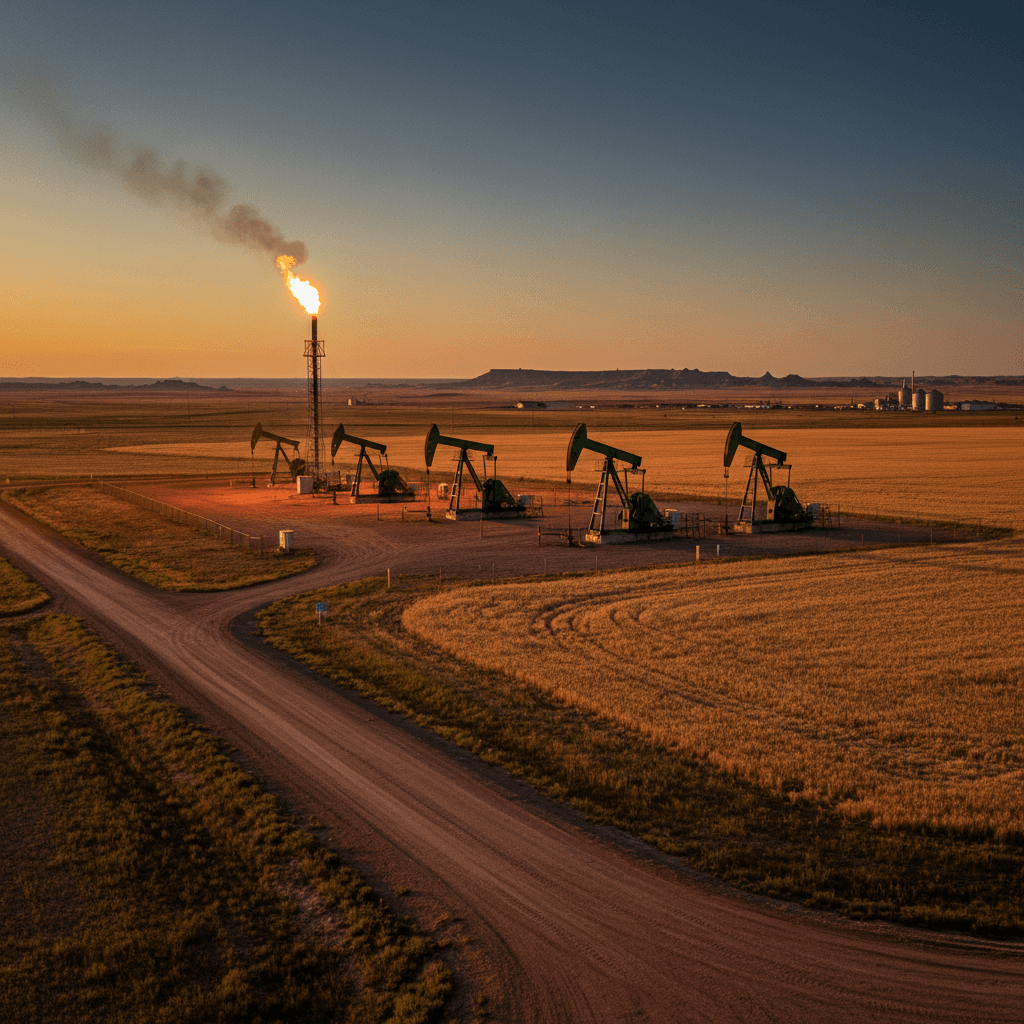
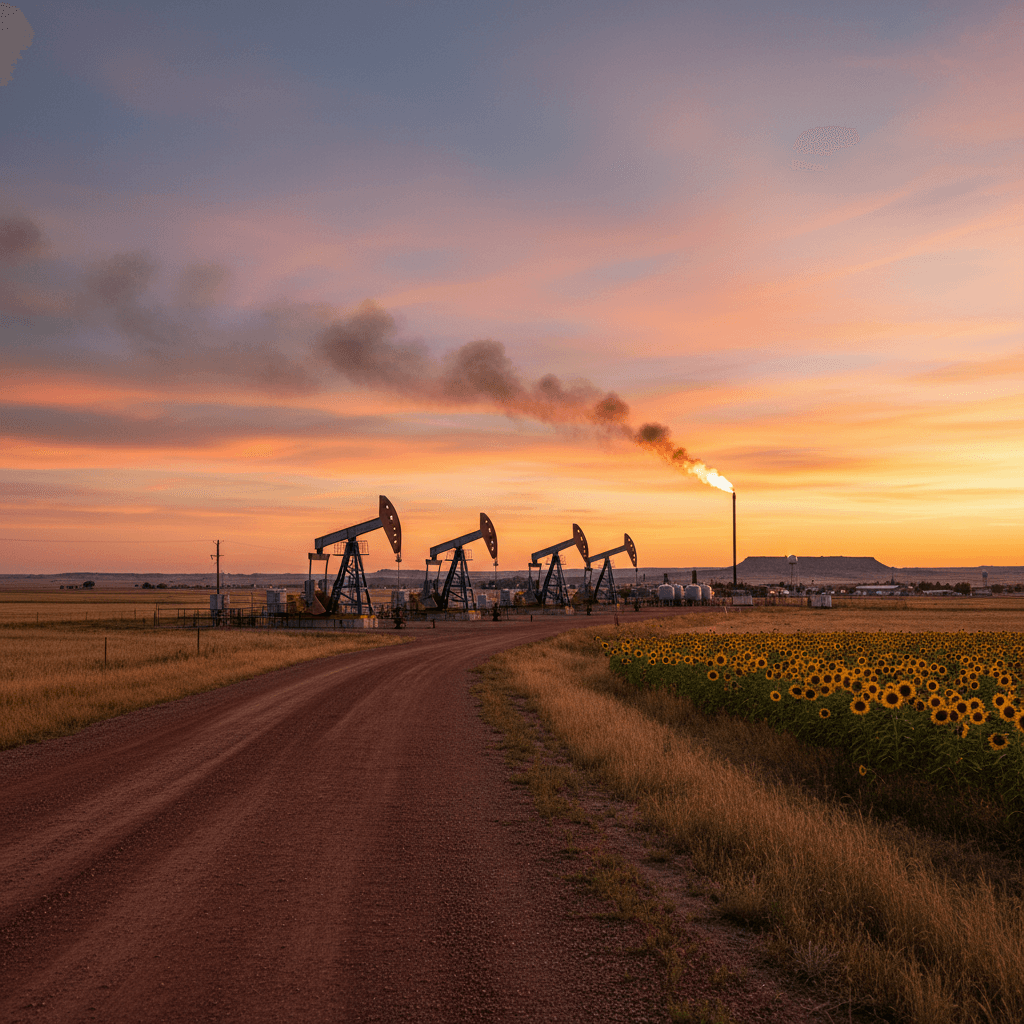
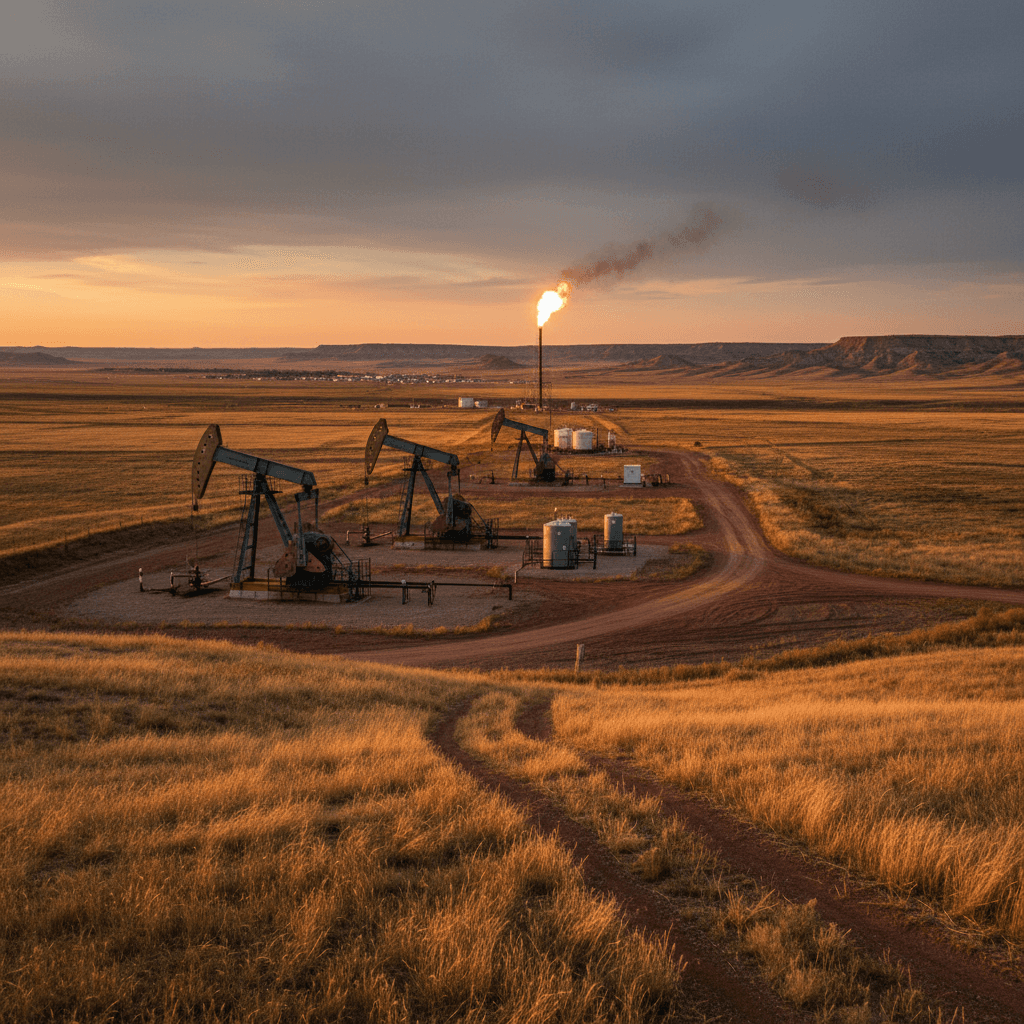
North Dakota's Bakken formation shows signs of stability as the active drilling rig count held steady at 23 on Monday, with surging crude prices providing a supportive backdrop for operators. The state's activity level, a key indicator of future production, has remained in a tight range for months, reflecting a mature phase of focused development.
West Texas Intermediate (WTI) crude was trading at $96.12 per barrel midday Monday, up $1.72 on the day, according to live Bakken Wire data. The international benchmark Brent crude rose to $101.31. The Bakken crude differential—the discount at which Bakken barrels trade versus WTI at the Cushing, Oklahoma hub—was quoted at -$3.42, a relatively narrow spread that supports stronger wellhead economics for North Dakota producers.
Historically, the number of active drilling rigs is a leading indicator for oil production, with a typical six-to-nine month lag between a new well being spud and its contribution to peak output. The current count of 23 rigs is significantly below the boom-era highs but has been consistent, suggesting operators are maintaining a disciplined capital program focused on core acreage and high-graded drilling inventories.
The sustained higher oil price environment, with WTI holding above $95, provides the revenue necessary to fund these maintenance-level drilling operations. However, the rig count suggests that a significant surge in new well permits and a subsequent sharp increase in production are not imminent without a substantial and sustained shift in operator budgets or commodity prices.
Natural gas prices, often a secondary driver for Bakken operators whose wells produce significant associated gas, were quoted at $2.77 per MMBtu. While not a primary economic driver compared to oil, low gas prices can impact the overall economics of a well and influence decisions around gas capture infrastructure investments.
The combination of strong crude benchmarks, a manageable differential, and a steady but low rig count points to a continuation of current Bakken production trends. The state's output is likely to remain near recent levels, supported by the completion of wells from the existing drilled but uncompleted (DUC) inventory and the steady trickle of new wells from the active rig fleet, rather than experiencing dramatic growth or decline.
Source
Live Bakken Wire Data as of Monday, April 27, 2026