Bakken Rig Count Holds at 24 as Oil Prices Surge Over $74
Strong price rebound may not immediately spur drilling activity given persistent low rig count, with production outlook remaining flat.
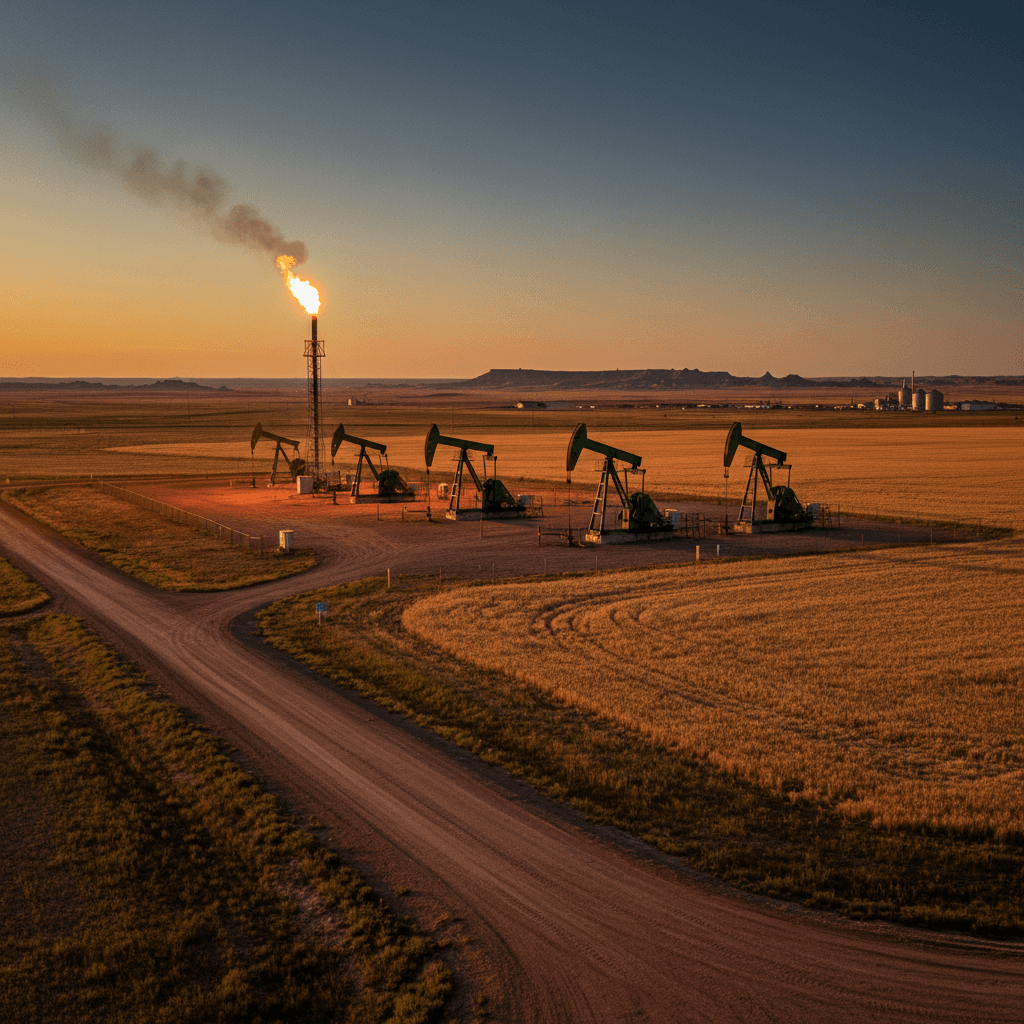
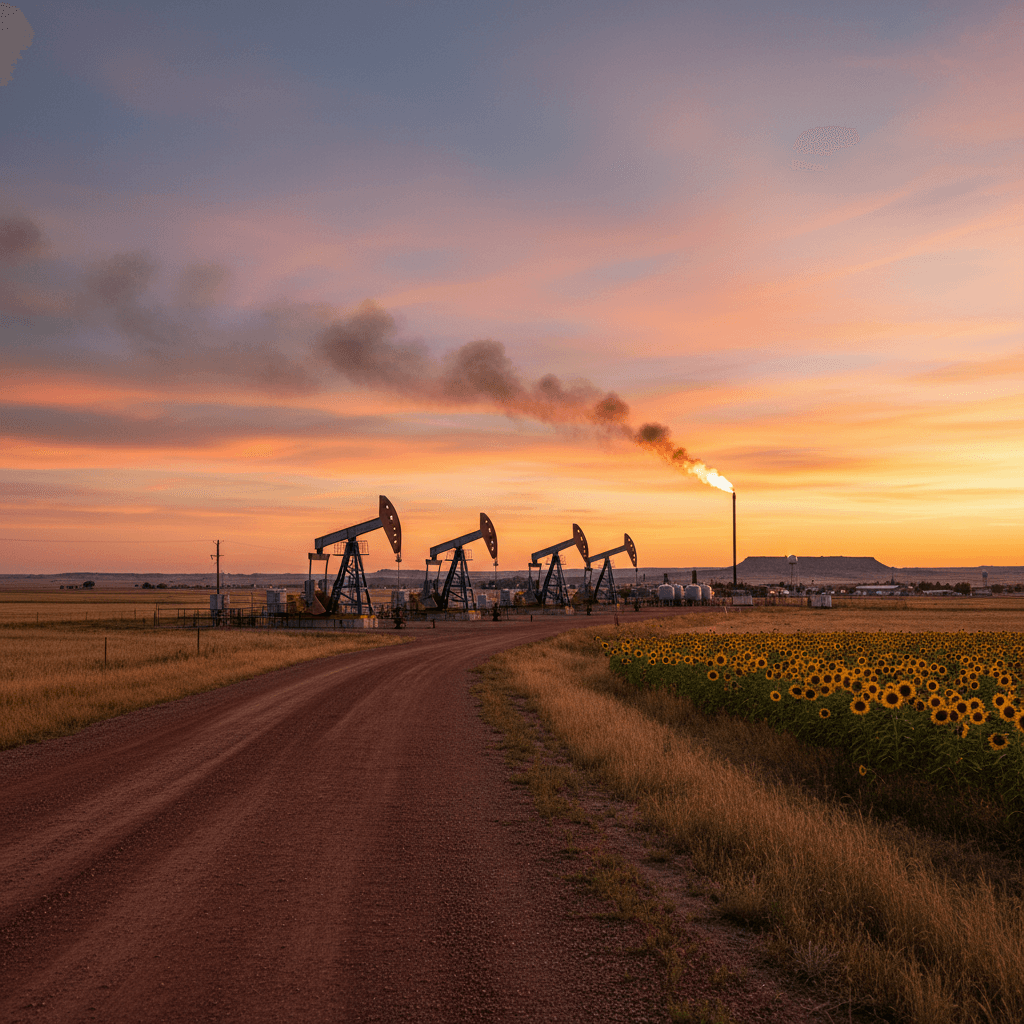
North Dakota's active drilling rig count remained unchanged at 24 on Monday, July 13, even as crude oil prices posted significant gains. The stability in the rig count, a key leading indicator for future production, suggests near-term Bakken output will likely hold near current levels.
The price for West Texas Intermediate (WTI) crude, a key benchmark for Bakken oil, surged by $3.44 to settle at $74.85 per barrel, a gain of 4.82%. The international Brent benchmark rose a similar 4.84% to $79.69. The Bakken crude differential—the discount at which local oil trades versus WTI—was reported at -$3.42, putting the wellhead price for Bakken crude at approximately $71.43. Natural gas prices were reported at $2.90 per MMBtu.
Historically, the number of active drilling rigs in the Williston Basin has been a strong predictor of production trends 6 to 12 months out. A sustained increase in the rig count typically leads to rising output, while a decline or stagnant count often precedes a production plateau or slow decline. The current count of 24 rigs is near the lowest levels seen in the modern shale era, reflecting a continued focus on capital discipline and efficiency by operators rather than aggressive growth.
The sharp midday price rally, if sustained, could improve cash flows for Bakken producers. However, the immediate lack of response in the rig count indicates operators may be waiting for more durable price strength before committing to new drilling programs. Many companies have prioritized returning capital to shareholders and paying down debt over ramping up activity.
For North Dakota, a prolonged period of low drilling activity poses a challenge for maintaining the state's oil production, which has been the nation's second-highest. The current rig fleet is heavily focused on drilling high-quality, core acreage to maximize returns from each well. While this supports strong initial production rates from new wells, it does not replace the overall volume of wells needed to offset the steep decline rates typical of shale basins.
The outlook for Bakken production in the second half of 2026 therefore appears set for stability or modest decline, barring a significant and sustained increase in the rig count. Operators are likely to continue leveraging improved well designs and completion techniques to get more oil from each well drilled, but the low absolute number of new wells will be the dominant factor governing total output.
Source
LIVE BAKKEN DATA for July 13, 2026.