Bakken Rig Count Holds at 26 as Oil Prices Rally
Steady activity level amid strong crude prices suggests operators are maintaining, not expanding, production in the near term.
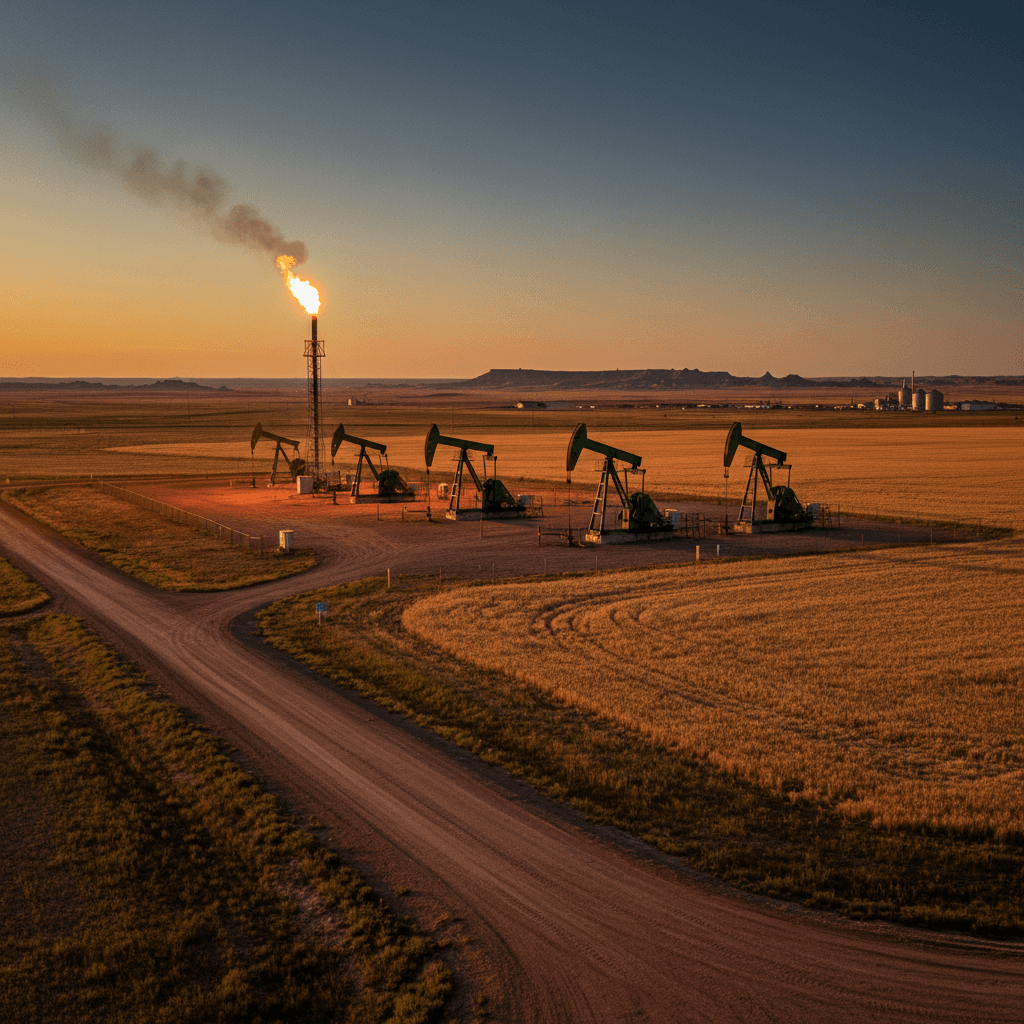
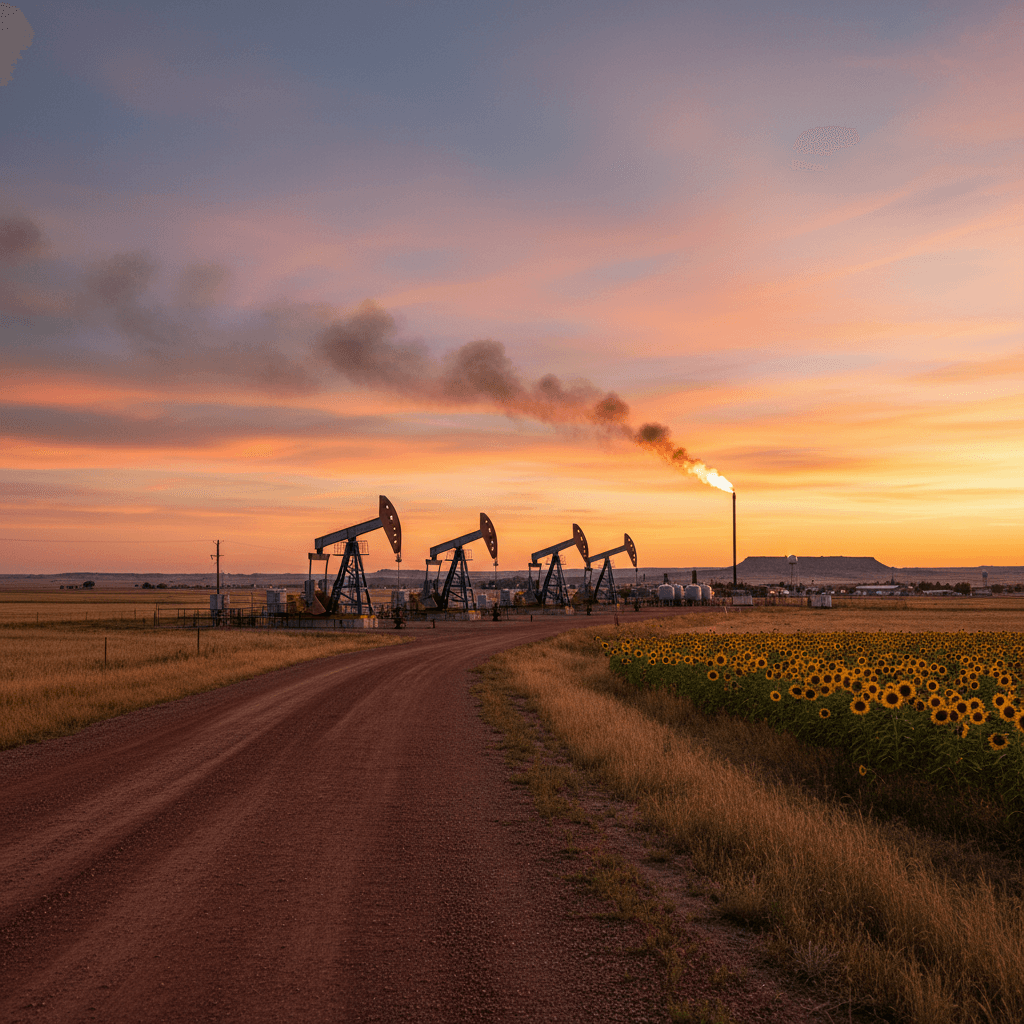
The number of active drilling rigs in North Dakota held steady at 26 on Tuesday, a level that suggests operators are maintaining but not aggressively increasing production despite a significant rally in oil prices. West Texas Intermediate (WTI) crude was trading at $79.59 per barrel, up $1.45 or 1.86% for the day, while the international benchmark Brent crude rose 2.52% to $85.40.
The current rig count of 26 provides a key indicator of near-term drilling activity and future production. Historically, the rig count is a leading indicator for oil production in the Bakken formation, with changes in the count typically reflecting in output levels several months later. A stable count, as seen currently, generally points to a plateau or very modest changes in production volumes in the coming quarters, as operators complete wells from existing drilled but uncompleted (DUC) inventories.
The price environment appears supportive for activity, with Bakken-priced crude benefiting from the wider rally. The Bakken differential, the discount at which Bakken crude trades compared to WTI at the Cushing, Oklahoma hub, was recorded at -$3.42 per barrel. This narrower discount, combined with the higher outright WTI price, improves netbacks for producers in the region, supporting cash flow for ongoing operations and maintenance capital programs.
Natural gas prices, often a secondary revenue stream for Bakken operators, were listed at $2.91 per MMBtu. While not a primary driver in the oil-rich Bakken, gas prices contribute to overall well economics.
The current operational footprint, as indicated by the 26-rig count, reflects an industry that has prioritized capital discipline and shareholder returns over volume growth in recent years. Operators are focusing on their most productive core acreage, generating free cash flow at current price levels rather than embarking on a major expansion of drilling programs. This disciplined approach has led to a stabilization of production after the volatile swings seen in previous market cycles.
For royalty owners and service companies in the Williston Basin, the steady rig count suggests a period of operational consistency. The outlook for North Dakota oil production in the second half of 2026, based on today's activity signal, is likely for sustained output near current levels, barring a major shift in commodity prices or operator strategy. Any significant increase in production would likely require a sustained period of higher prices prompting a material rise in the drilling rig count.
Source
Bakken Wire Live Data, July 14, 2026