Bakken Rig Count Holds at 33 Amid Stable Oil Prices
Workforce and community conditions in western North Dakota reflect a period of steady, moderate oilfield activity.
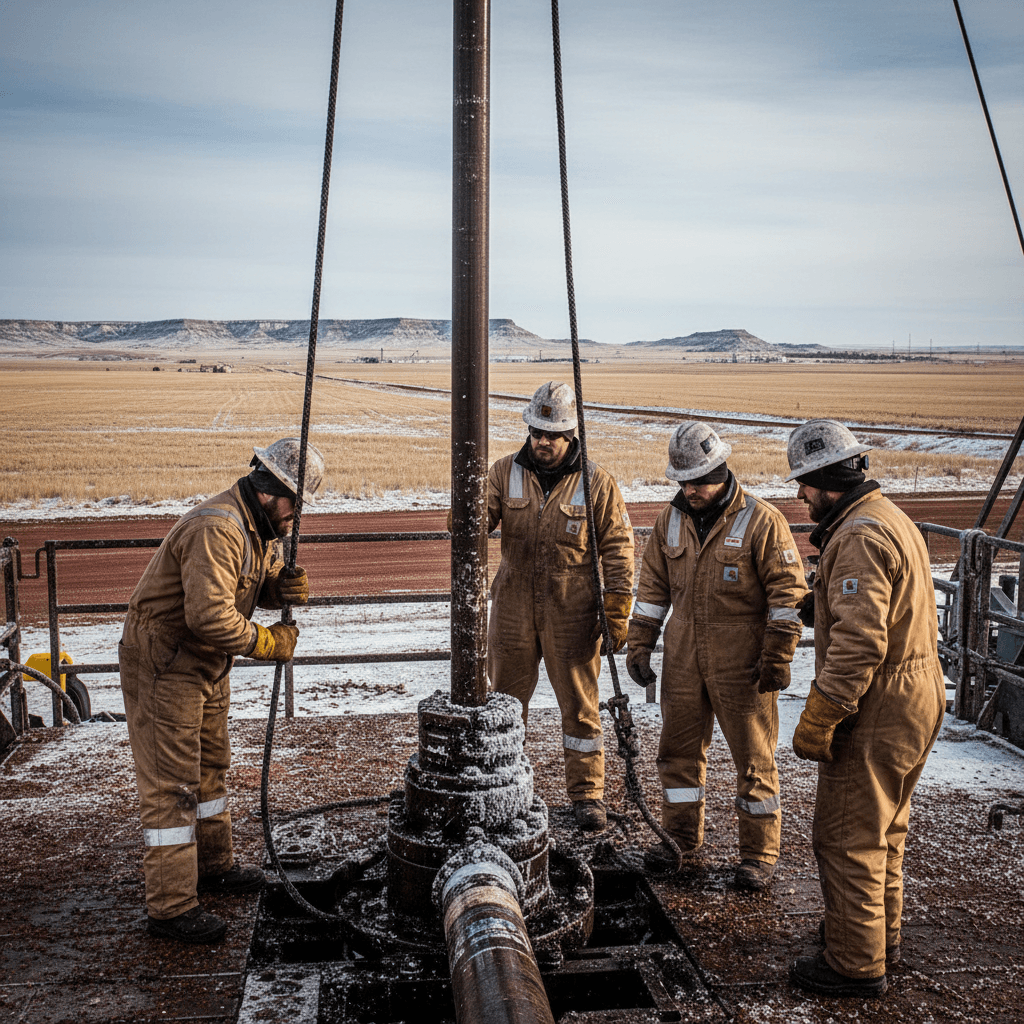
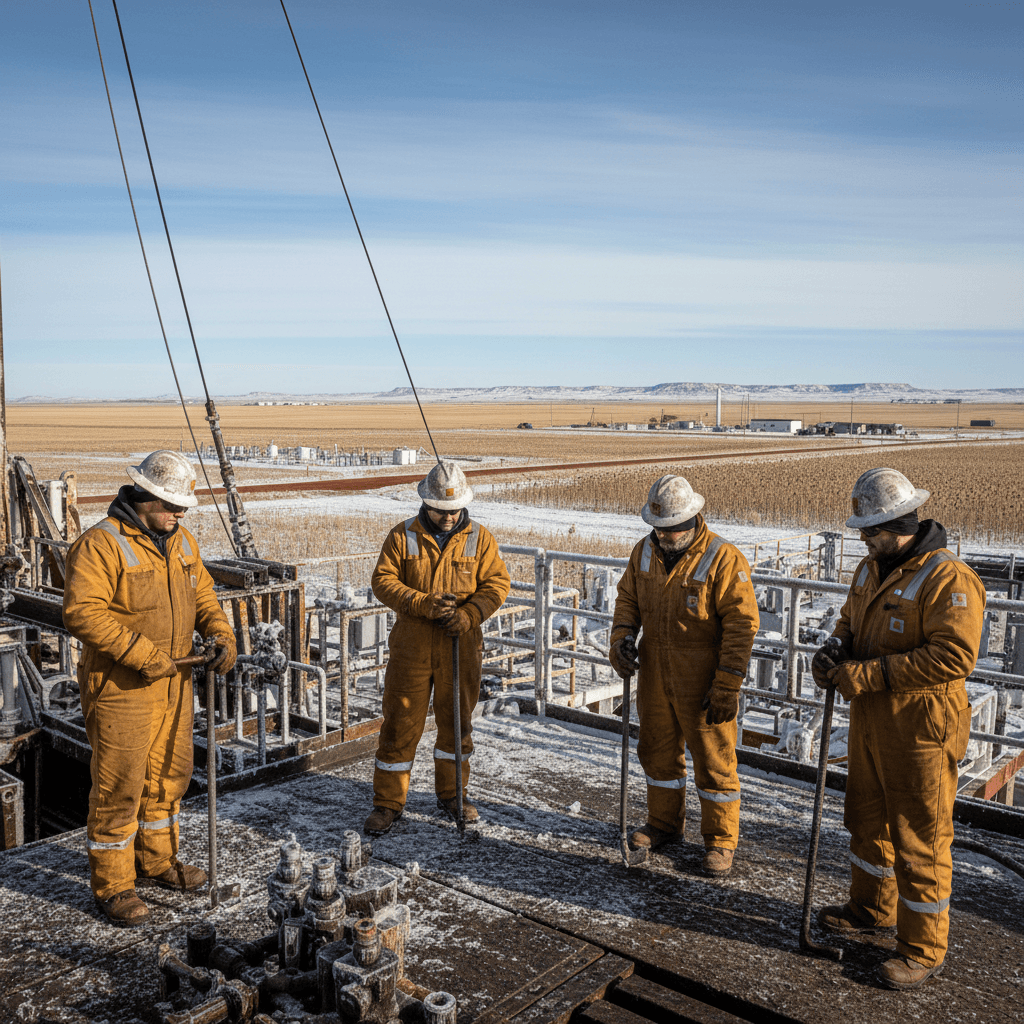
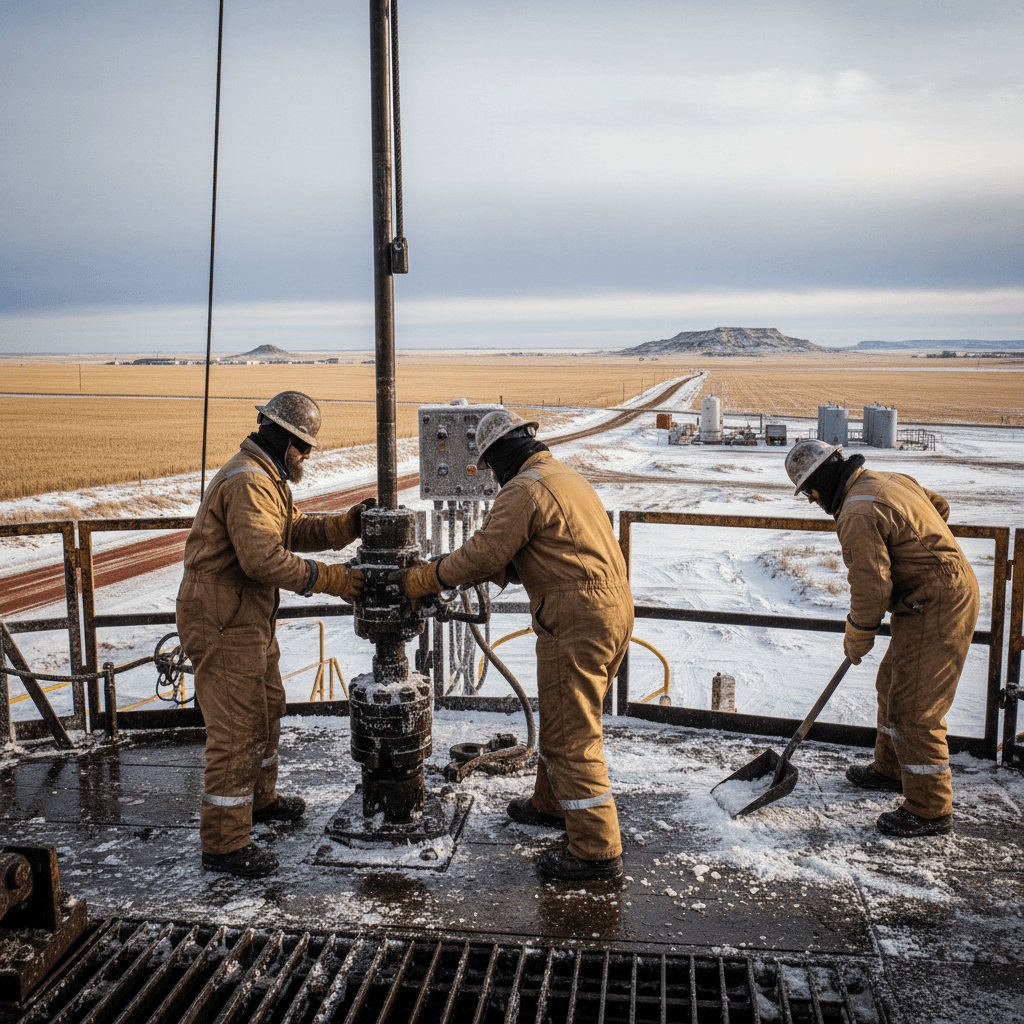
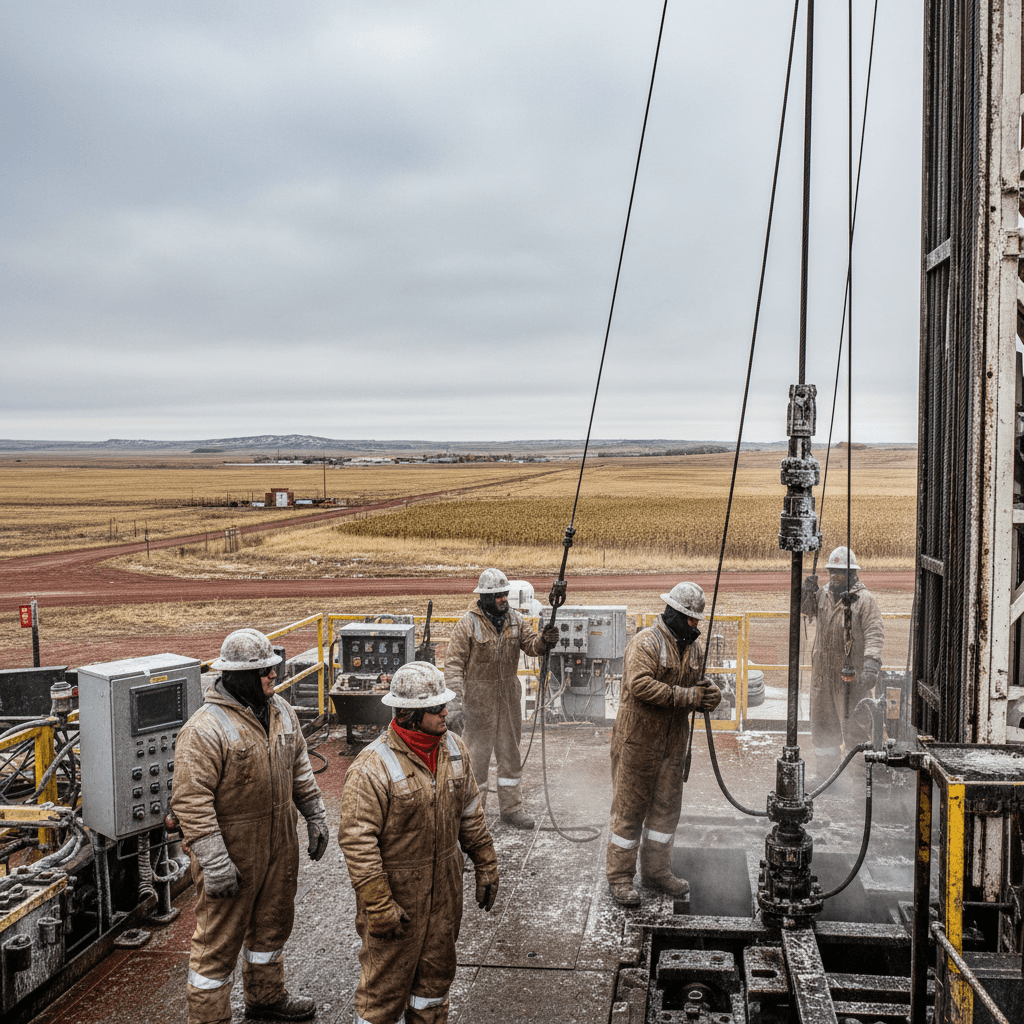
The active rig count in North Dakota held steady at 33 on Tuesday, as oil prices posted modest gains, indicating a period of sustained but moderate activity for the Bakken region's workforce and communities. West Texas Intermediate crude traded at $84.53 per barrel, according to midday data.
The current rig level, while significantly below the peak boom years, represents a stable operational base for the state's primary oil-producing region. Analysts typically view rig count as a leading indicator for oilfield employment, with each active rig supporting a wide range of direct and indirect jobs.
"For communities in the Williston Basin, the rig count is a pulse check," said a longtime Bakken industry observer. "Thirty-three rigs suggests a focused, efficient industry that supports local businesses and provides steady employment without the extreme boom-bust cycles of the past."
The stability in activity is reflected in local housing and commercial real estate markets, which have adjusted from the frenetic pace of the early 2010s. Housing availability has improved compared to the peak shortage years, though rental and purchase prices in core oil counties remain elevated above state averages.
Local service companies, trucking firms, and equipment suppliers operate with leaner, more experienced crews than during the initial boom. The current price environment, with Bakken crude priced at a $3.42 discount to WTI, provides sufficient margin for continued production and well maintenance work, supporting these service sector jobs.
School districts and local governments, which rely heavily on oil and gas tax revenue, benefit from the predictability of steady production. However, workforce development remains a focus, with technical colleges continuing to train workers for high-demand positions in automation, instrumentation, and diesel technology.
The modest midday price increases for WTI and Brent crude, which traded at $91.51, provide a supportive backdrop for capital budgets. While major hiring sprees are not anticipated at this activity level, the consistent rig count helps retain skilled workers in the region, preventing the outmigration seen during deeper downturns.
Community leaders often note that the current phase of Bakken development emphasizes long-term stability over rapid growth. This translates to less strain on municipal infrastructure and more sustainable population growth in western North Dakota's core oil-producing counties.
Source
Bakken Wire Live Data as of Tuesday, August 18, 2026