Bakken Rig Count Holds at 34 as Strong Prices Support Regional Stability
Steady activity level and oil above $86 provide a foundation for workforce and community conditions in Western North Dakota.
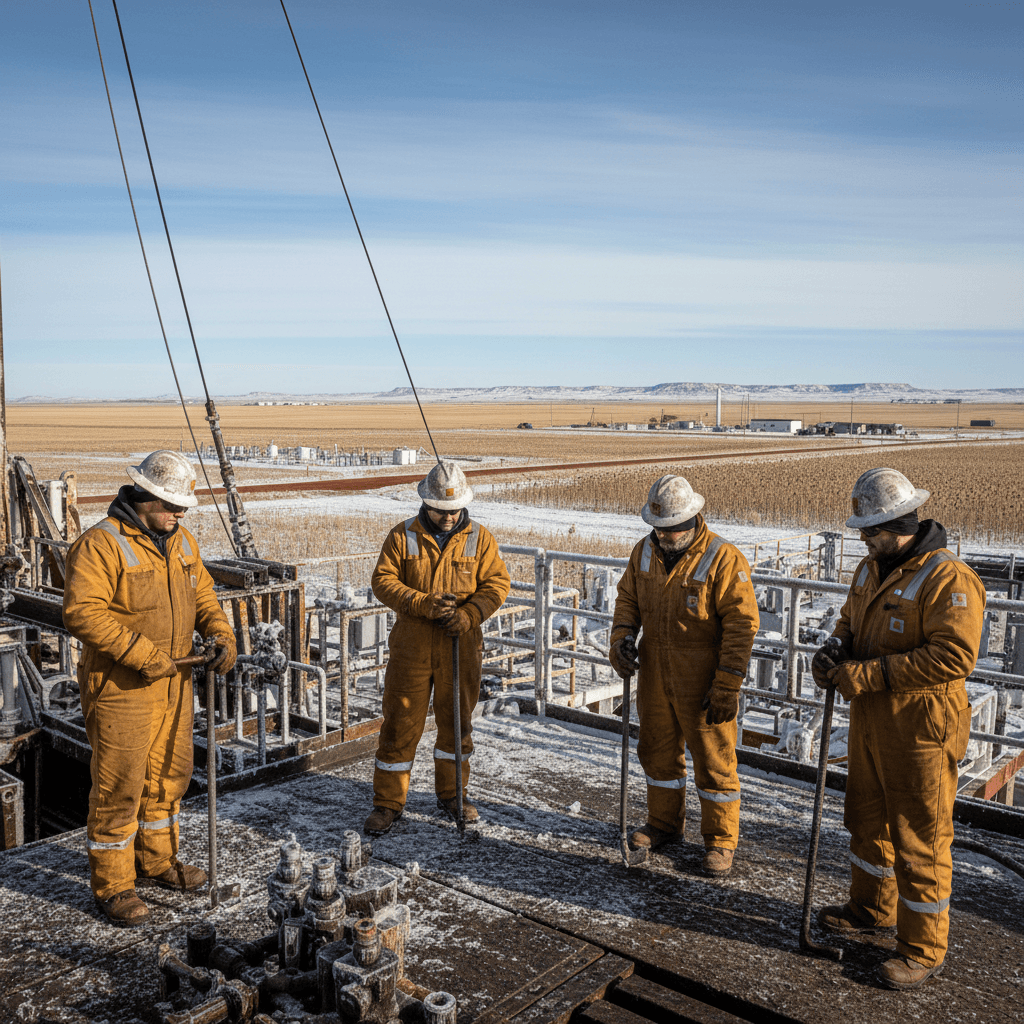
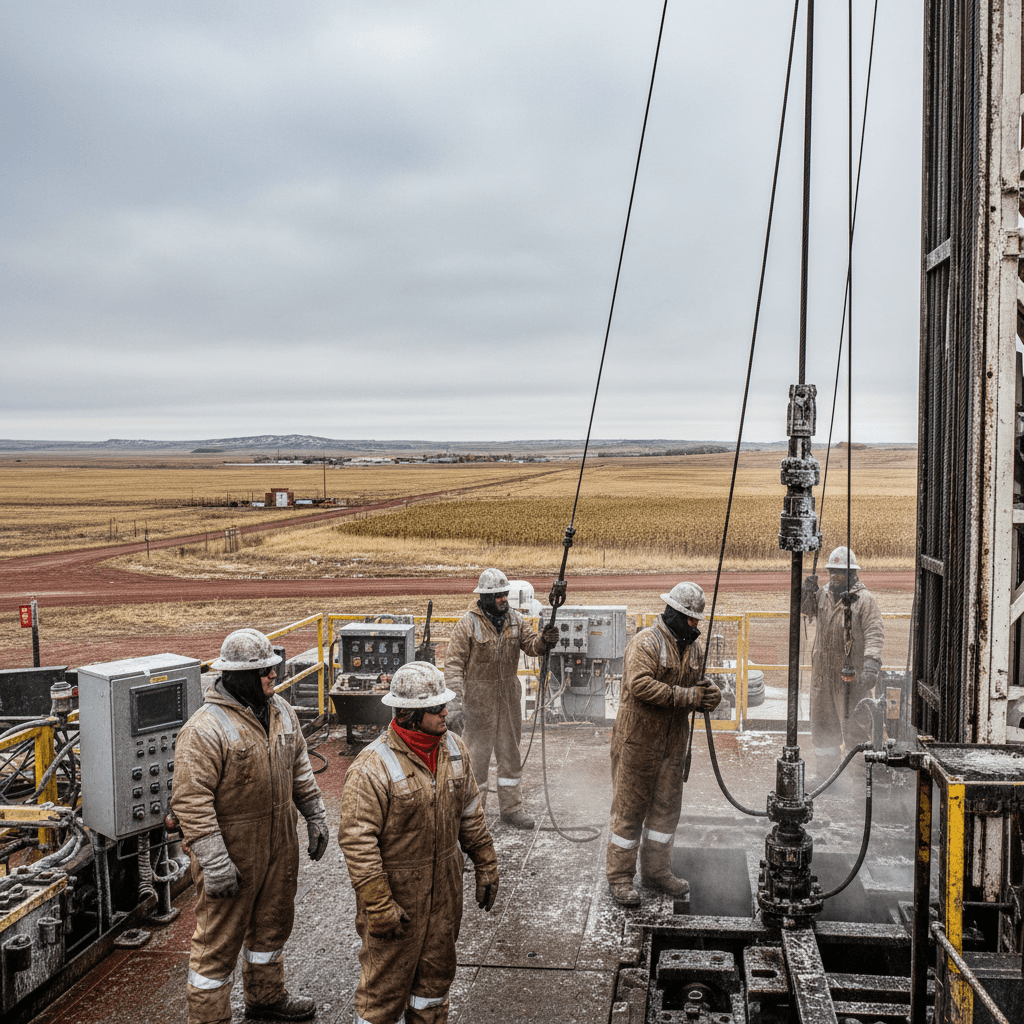
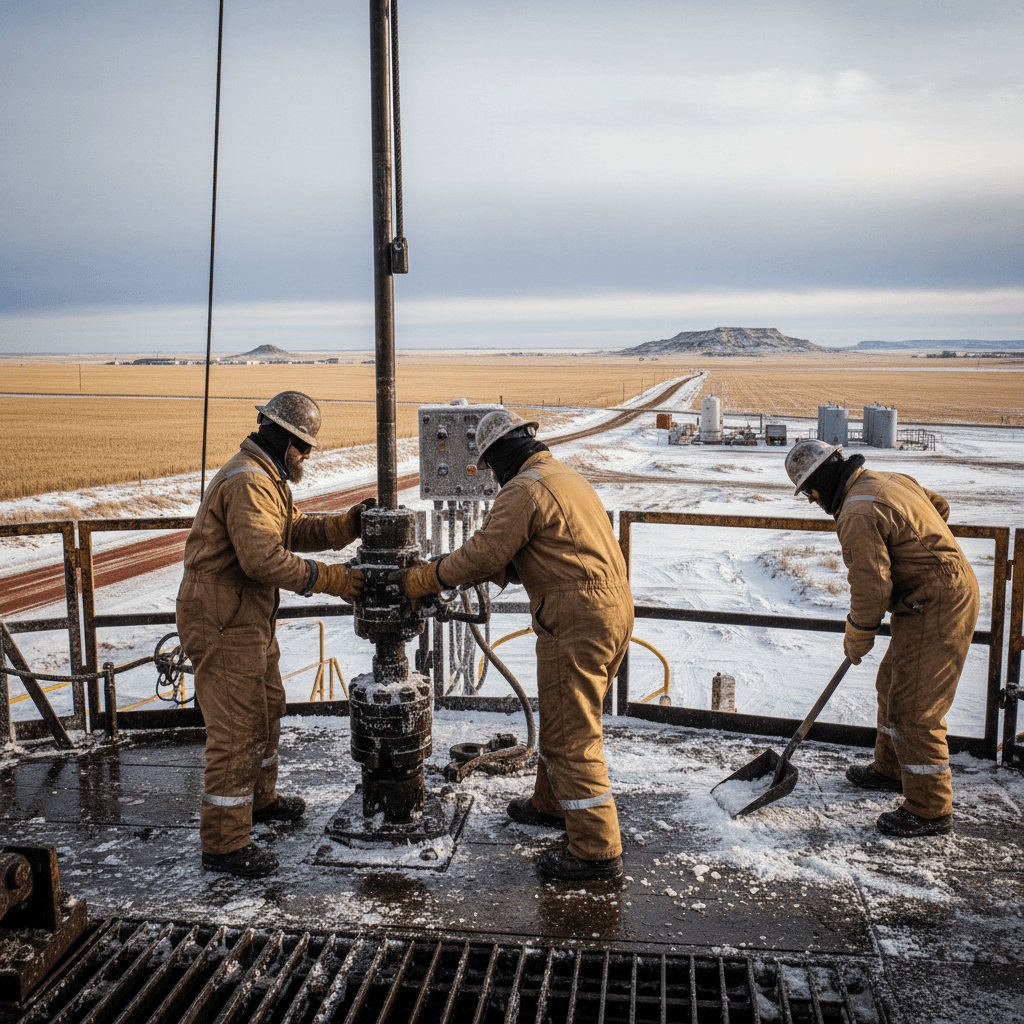
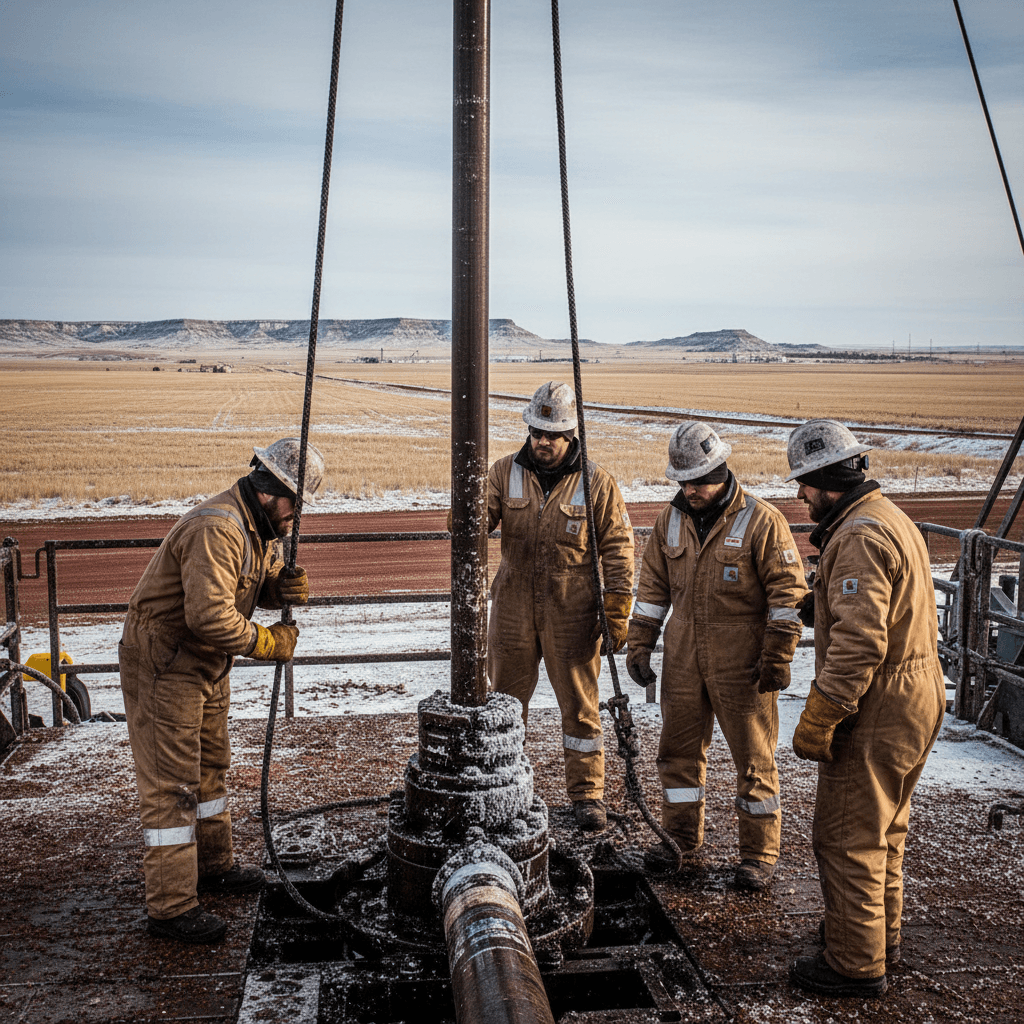
The number of active drilling rigs in North Dakota held steady at 34, according to live Bakken data for Thursday, August 20, 2026. This operational tempo, supported by West Texas Intermediate crude trading at $86.48 per barrel, provides a baseline for the region's workforce and local economies.
In the Bakken formation, the rig count is a leading indicator for direct and indirect employment. A count in the mid-30s suggests a stabilized industry posture, sustaining core oilfield jobs but without the rapid hiring surges or steep layoffs associated with more volatile periods. The current price environment, with WTI up $2.09 on the day, offers operators the economic confidence to maintain this pace of development.
The relationship between drilling activity and community impact is direct. Steady rig counts support consistent demand for housing, from man-camps to rental units, helping to stabilize vacancy rates and prices in communities like Williston, Dickinson, and Watford City. A volatile rig count often leads to corresponding swings in housing demand and commercial investment.
Local economies, including retail, hospitality, and service sectors, are underpinned by the disposable income of a steady workforce. The current activity level suggests these businesses are operating in a predictable environment compared to the boom-bust cycles of the past. The Bakken differential, the discount at which Bakken crude sells compared to WTI, was reported at -$3.42, a factor in wellhead economics that influences operator budgets and, consequently, local spending.
While the rig count is a primary driver, broader oil prices are crucial. With Brent crude at $93.39, the global market context remains supportive. Natural gas prices, however, were listed at $2.77, a relatively low value that provides little incentive for gas-directed drilling but does not significantly hinder the oil-focused activity that defines the Bakken.
For royalty owners and local governments, a stable operational landscape aids in revenue forecasting for mineral payments and tax collections. The current conditions point to a period of consolidation rather than aggressive expansion, allowing communities to adapt infrastructure and services to a sustained level of industry presence.
Source
Live Bakken Data for August 20, 2026