Bakken Rig Count Holds at 33 as Oil Prices Surge
Sustained high commodity prices support steady regional activity, but workforce levels remain below historic highs.
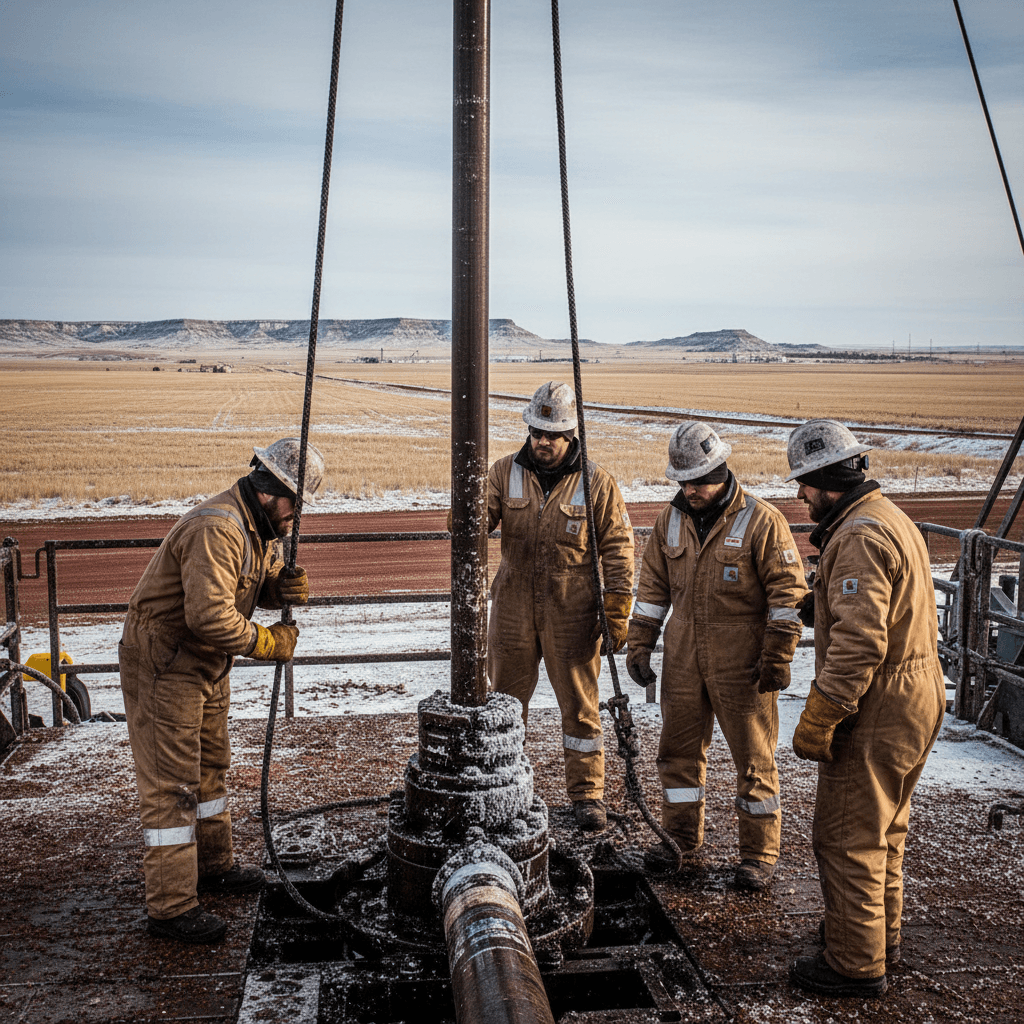
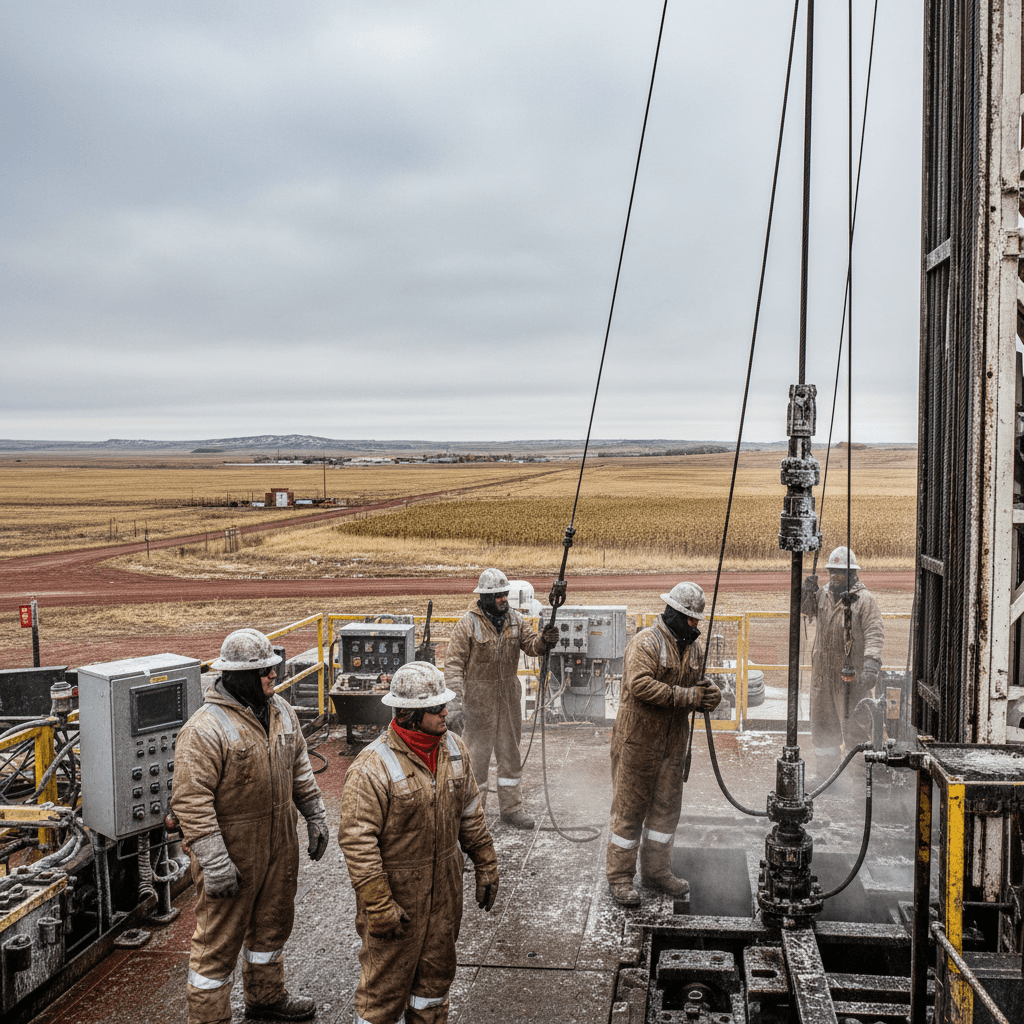
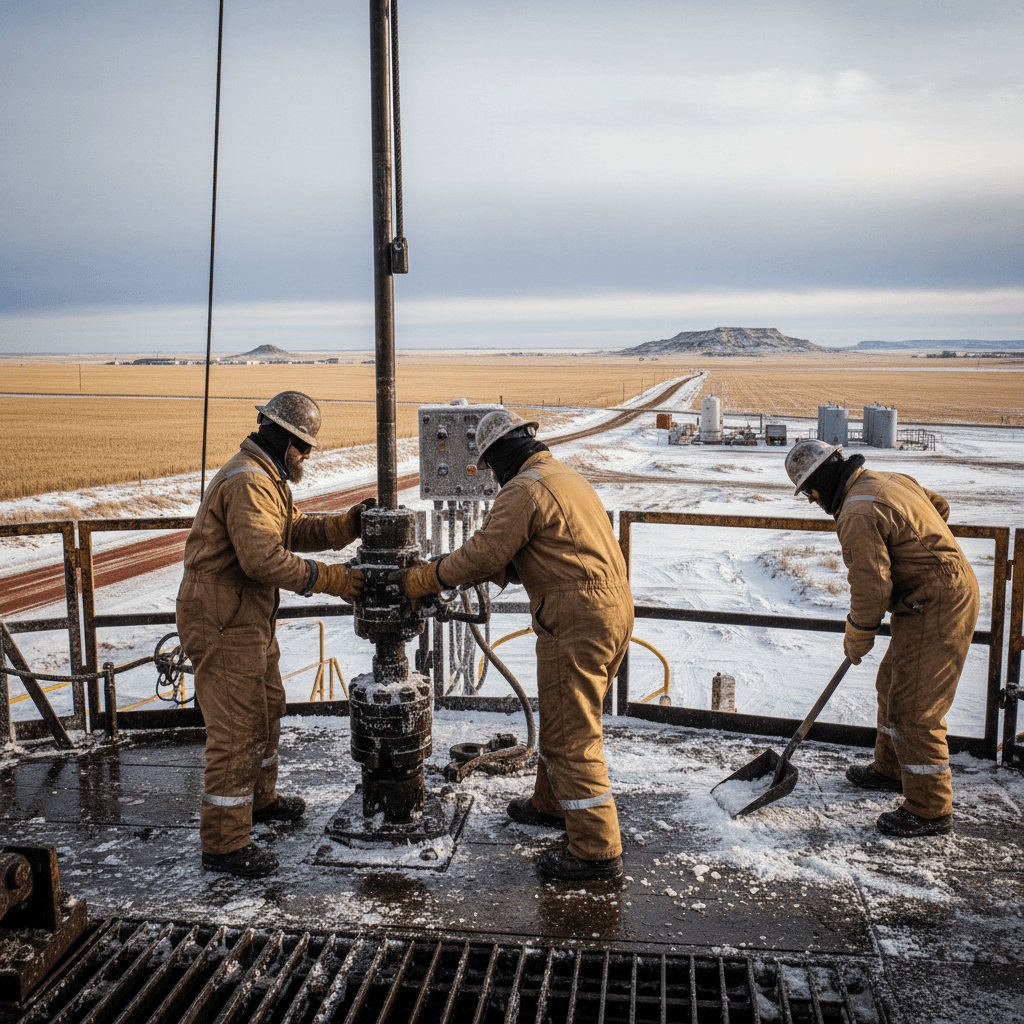
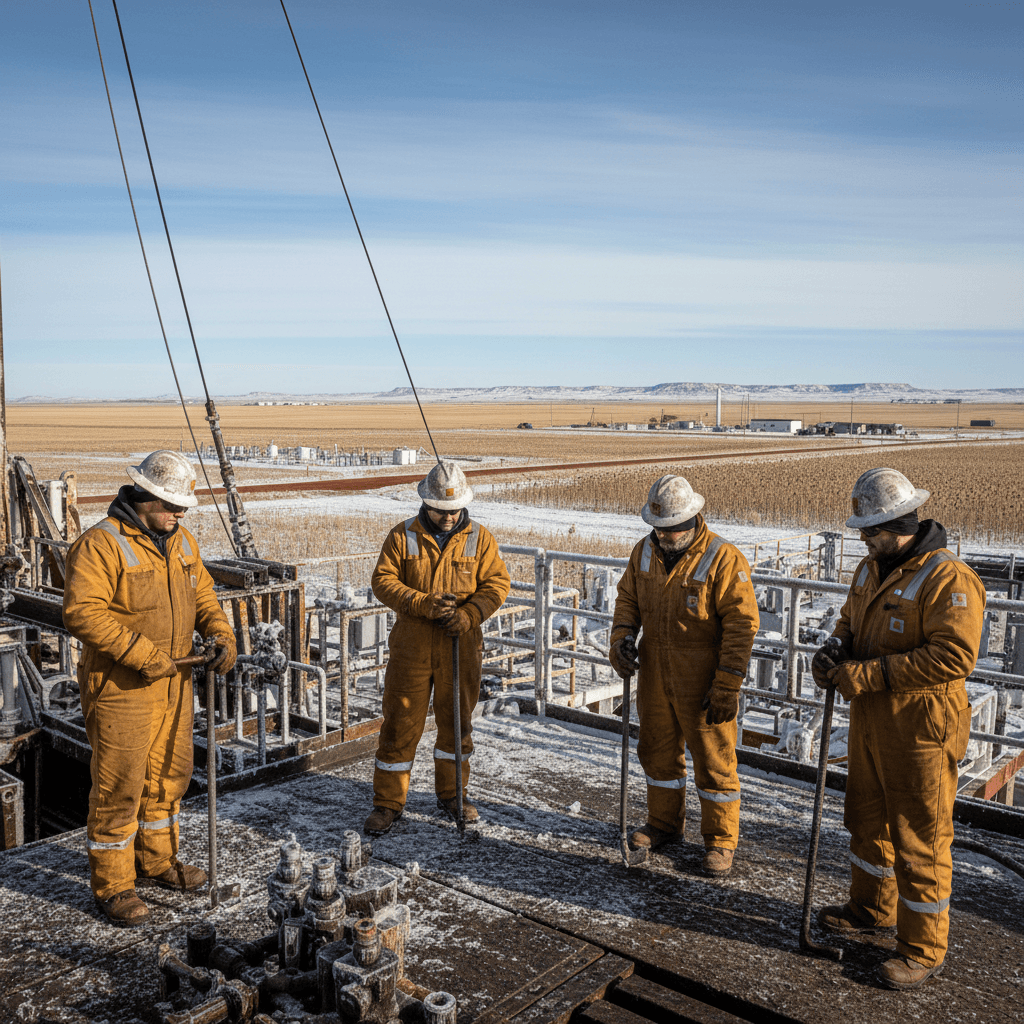
The number of active drilling rigs in North Dakota's Bakken formation remained at 33 on Thursday, according to live data, holding steady as oil prices posted significant gains. West Texas Intermediate (WTI) crude rose $2.07 to $86.46 per barrel, a 2.45% increase. The international benchmark, Brent crude, also climbed to $93.57 per barrel.
The current rig count reflects a stabilized level of drilling activity in the region. This figure, while substantially higher than the lows seen during industry downturns, remains far below the peak of over 200 rigs active in the Bakken during the early 2010s boom. The direct employment tied to drilling and completion crews is closely correlated to this rig count.
Industry analysts note that the relationship between oil prices, rig activity, and local community impact in western North Dakota is direct. Sustained higher commodity prices, as seen with WTI holding above $86, provide the economic incentive for operators to maintain, but not aggressively expand, drilling programs. This creates a stable, but not booming, demand for oilfield labor, affecting hiring in fields from well services to trucking.
The stabilized activity level has significant implications for local economies in the Williston Basin. Housing markets, which experienced extreme volatility during past boom-and-bust cycles, are likely seeing less pressure. During high-rig-count booms, demand for housing far outstripped supply, leading to soaring rents and crowded living conditions. The current environment suggests a more balanced situation, though housing affordability remains a community focus.
Similarly, local government revenues tied to oil production and extraction taxes benefit from sustained production volumes, which are less volatile than the rig count. High oil prices directly boost these revenues, funding infrastructure and services in oil-producing counties. However, with a moderated pace of new well development, the frenetic growth that strained community infrastructure—such as roads, schools, and emergency services—has eased.
The Bakken crude differential, a discount applied to Bakken barrels priced against WTI, was reported at -$3.42 on Thursday. A narrow differential generally supports stronger netbacks for producers, contributing to the economic calculus behind maintaining current activity levels.
Source
Bakken Wire Live Data for August 20, 2026