Canada Proposes Major East-West Pipeline, Shifting Cross-Border Oil Dynamics
A new 3,300-km Canadian pipeline aims to cut reliance on U.S. routes, potentially impacting Bakken crude flows and market competition.
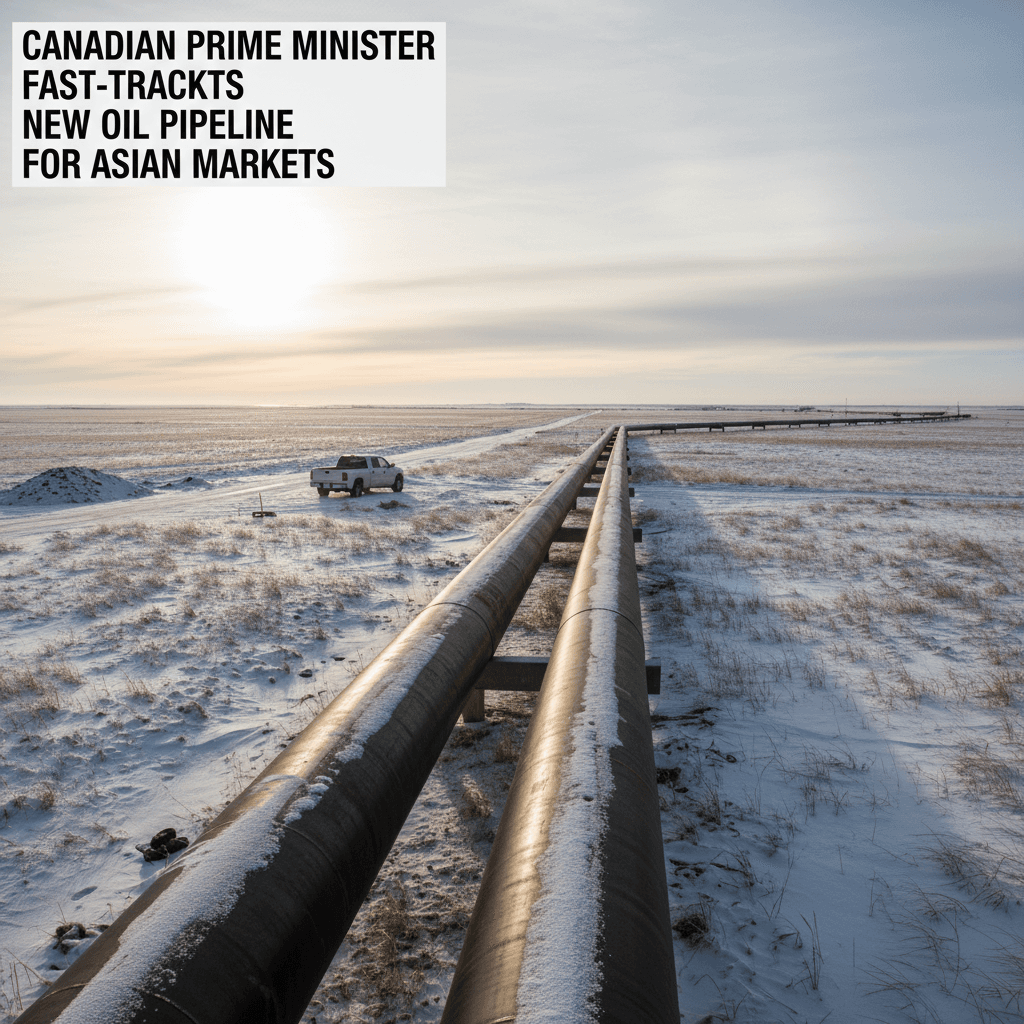
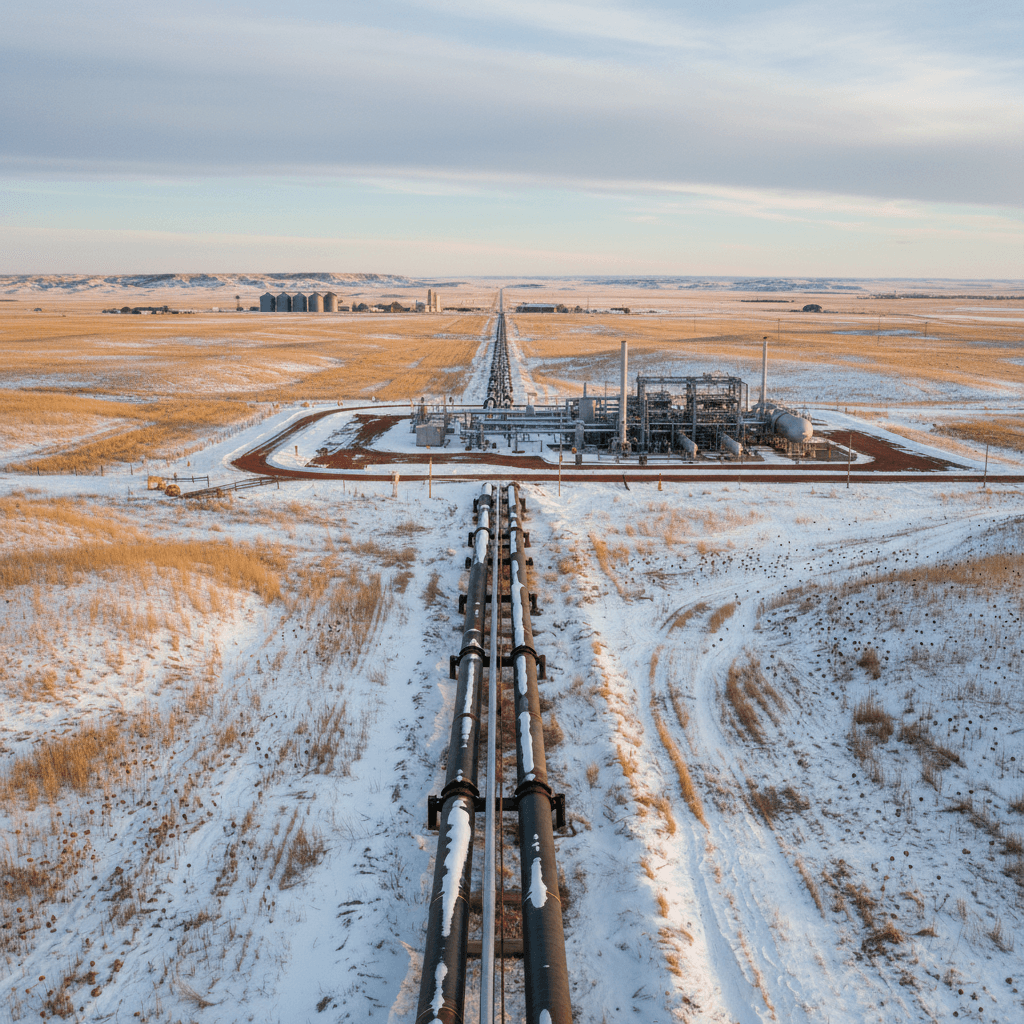
The governments of Canada and Alberta have unveiled a proposal for a major new oil pipeline designed to transport western Canadian crude east without relying on U.S. infrastructure, according to a report from OilPrice.com. The plan, announced on July 18, 2026, seeks to enhance Canada's energy security and could reshape North American crude oil logistics, with implications for competing Bakken formation supplies.
The proposed 3,300-kilometer pipeline would start in Hardisty, Alberta, and run through Saskatchewan, Manitoba, and northern Ontario before terminating in Sarnia, Ontario. Alberta Premier Danielle Smith stated the line would have an initial capacity of 500,000 barrels per day, with future potential to reach 800,000 bpd. Ontario Energy Minister Stephen Lecce emphasized the strategic need, noting that "50 per cent of oil imports into Ontario run through a pipeline that cuts through the U.S."
This initiative directly addresses Canadian concerns over reliance on U.S. transit routes, specifically mentioning that the state of Michigan has previously threatened to shut down a key pipeline carrying Alberta oil to Ontario. By creating a sovereign route, Canada aims to secure its domestic market and develop new export options, with potential future extension to the Atlantic coast for shipments to Europe.
For Bakken operators in North Dakota, a fully domestic Canadian oil route could alter competitive dynamics in key refining markets. Eastern Canadian refineries, including the complex in Sarnia cited as the country's largest, currently constitute a market for crude supplies that could include Bakken volumes shipped via rail or existing pipelines. A dedicated, high-volume pipeline from Alberta may prioritize Canadian crude for these facilities, potentially displacing or reducing demand for U.S. light sweet crudes like those from the Bakken.
Prime Minister Mark Carney announced Canada and Alberta would be "equal partners" in the project, with plans for a meaningful ownership stake for Indigenous communities. Carney also stated he expected the project to support "substantial" methane reductions. The proposal reflects a significant policy shift, as Canada's federal government had previously been seen as hindering oil industry expansion in favor of green transition plans, a stance that had fueled separatist sentiment in oil-rich Alberta.
The long-term success of the pipeline will depend on regulatory approvals, consultations with Indigenous groups, and construction timelines. If built, it would represent a major piece of energy infrastructure that could insulate Canada from U.S. regulatory decisions while intensifying competition for refinery contracts in the North American interior, a factor Bakken producers will need to monitor closely.
Source
OilPrice.com