DAPL Protest Cost Settlement Nears as Expansion Concepts Emerge
A federal judge moves to vacate a $28M judgment against the U.S. government, while reports outline potential pipeline expansion strategies.
A federal judge has signaled he will vacate a nearly $28 million judgment against the federal government related to Dakota Access Pipeline protest costs, clearing the way for a settlement to be finalized. According to the North Dakota Monitor, U.S. District Court Judge Daniel Traynor indicated his intent during a hearing on Friday, May 8, 2026.
The lawsuit, originally filed by North Dakota in 2019, argued the federal government allowed protesters to camp on federal land during the 2016-2017 demonstrations near the Standing Rock Sioux Reservation. The state contended this led to millions in law enforcement and cleanup expenses. Judge Traynor had ruled in the state's favor in April 2025, ordering the federal government to pay $28 million.
Attorneys for both the state and federal government stated during the hearing that North Dakota is still expected to receive a payment, though the final settlement amount has not been disclosed. According to court testimony reported by the North Dakota Monitor, the Department of Justice seeks to have Traynor’s rulings vacated as part of the settlement to prevent the legal findings from influencing future cases.
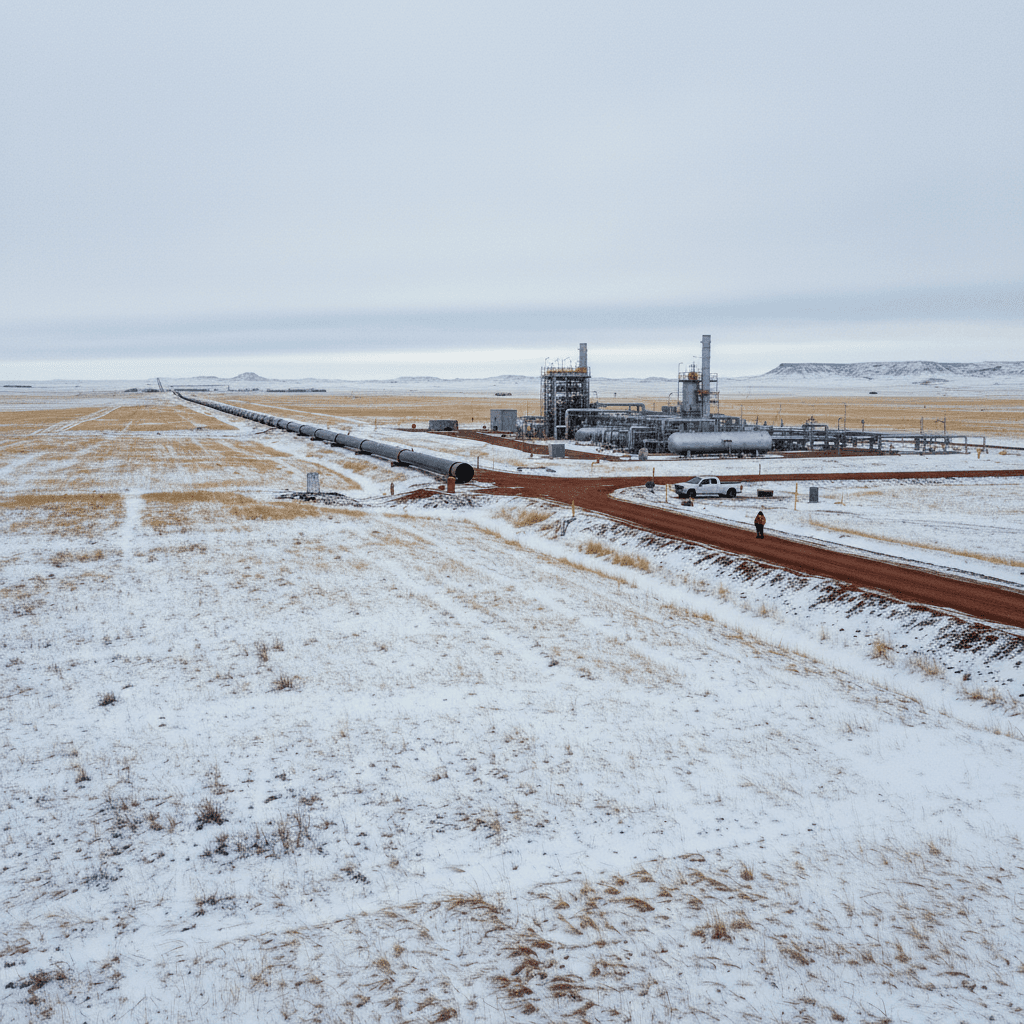
The potential resolution of this long-running financial dispute removes a lingering point of contention for the state, which bore significant costs related to the pipeline's high-profile construction period. The Dakota Access Pipeline remains a critical artery for moving Bakken crude oil to market.
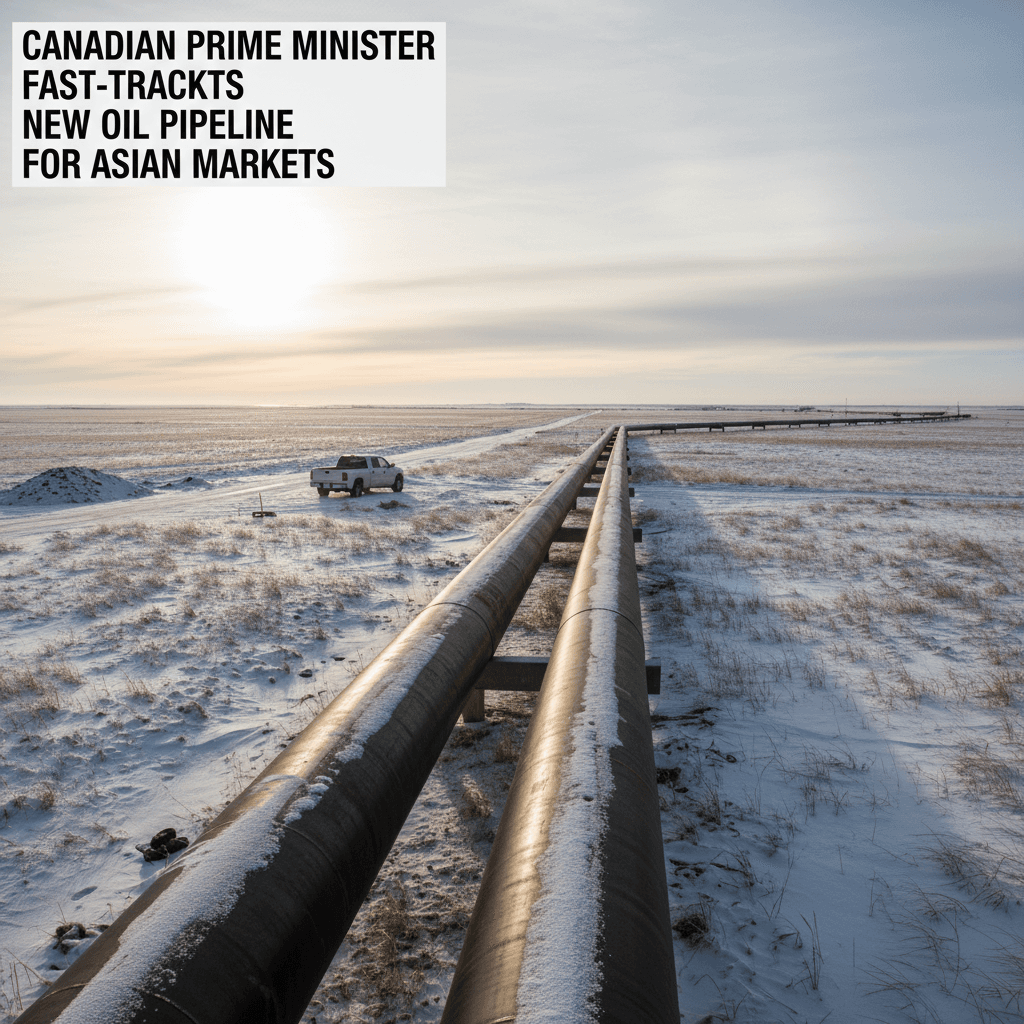
Separately, a new report outlines conceptual strategies for expanding pipeline infrastructure connected to the Bakken. According to a Yahoo Finance summary published May 13, a patchwork of smaller, connected projects using existing pipe aims to potentially resurrect the Keystone XL project and extend the Dakota Access Pipeline north to Canada.
While the report does not provide specific details or timelines, the concept highlights ongoing industry and political interest in enhancing takeaway capacity for crude from the Williston Basin. Increased pipeline capacity is a perennial concern for Bakken operators, as it directly impacts the economics of production and the price received for crude.
The dual developments underscore the continued legal and infrastructural significance of the Dakota Access Pipeline for North Dakota's energy sector. The nearing settlement addresses past fiscal burdens on the state, while expansion concepts point to potential future avenues for securing the basin's market access.
Source
North Dakota Monitor via Buffalo's Fire (published May 11, 2026); Yahoo Finance (published May 13, 2026)