WTI Crude--
Brent Crude--
Natural Gas--
ND Rig Count--
WTI Crude--
Brent Crude--
Natural Gas--
ND Rig Count--
Pipeline & Infrastructure

Enbridge Acquires Permian Gathering Assets for $600 Million

Midstream giant's Permian expansion contrasts with static Bakken pipeline capacity outlook.

Bakken Wire Staff·🌅Afternoon Wire·

Enbridge Inc. has agreed to acquire Salt Creek Midstream's crude oil gathering business in the Permian Basin for $600 million in cash, according to a report from Rigzone. The deal, announced August 27, is aimed at growing Enbridge's capacity to export oil from the prolific Permian region in Texas.

For Bakken Shale operators in North Dakota, the transaction highlights the continued capital investment and infrastructure build-out occurring in competing U.S. oil basins. While the Permian secures additional midstream capacity, no comparable large-scale pipeline expansions are currently underway in the Bakken.

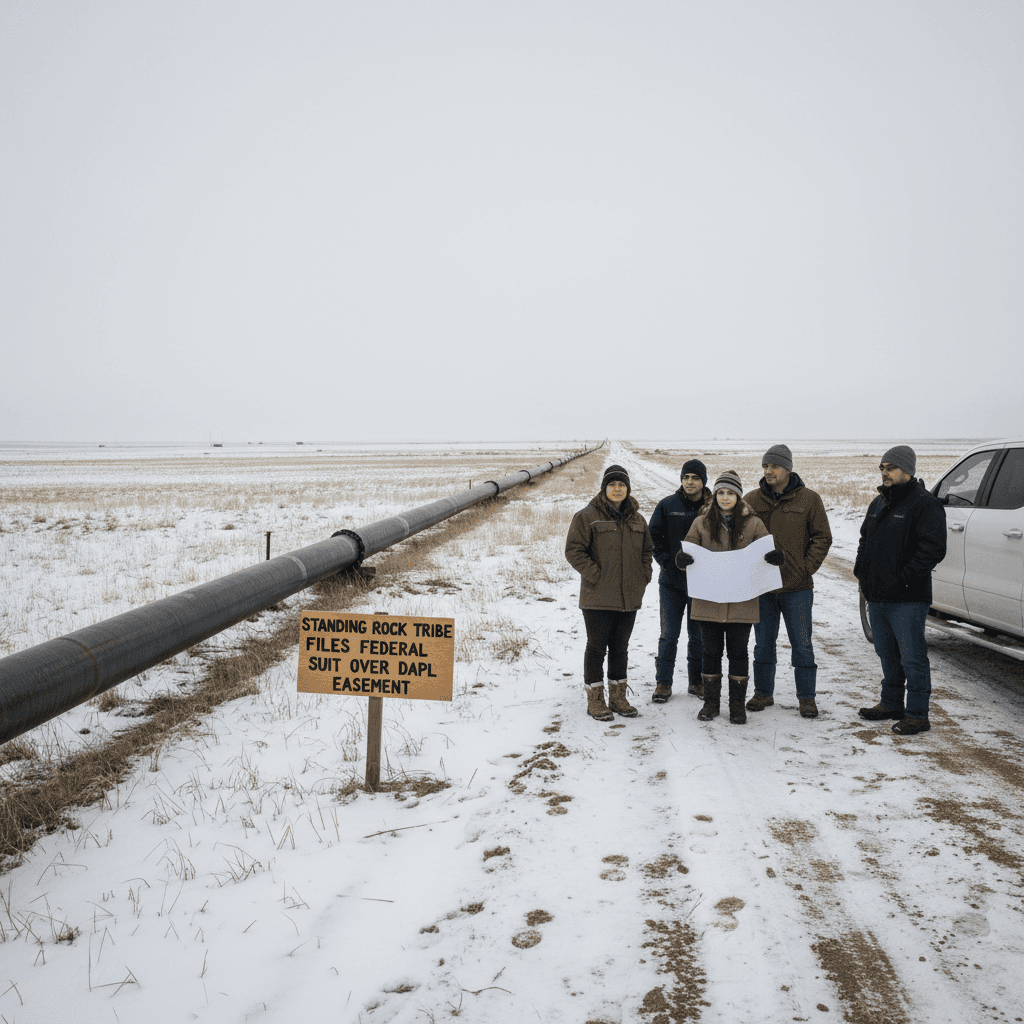
The Bakken formation remains heavily reliant on existing pipeline networks, primarily the Enbridge-operated Mainline system and the Dakota Access Pipeline (DAPL), for crude takeaway. The lack of new major pipeline projects in North Dakota means producers must compete for space on these established routes.

Midstream consolidation and asset acquisitions, like Enbridge's Permian purchase, often allow larger companies to optimize systems and potentially offer bundled services. However, this specific investment is focused outside the Williston Basin and does not directly increase Bakken takeaway capacity.

The deal reinforces Enbridge's position as a dominant North American midstream player, with significant assets in both Canada and the U.S. For Bakken royalty owners and operators, the focus remains on the utilization and tariff rates of the existing pipeline infrastructure that moves North Dakota crude to market.

Source

Rigzone
enbridgepipelinemidstreampermian basinacquisitionbakken shale

Share this article

Related Articles

Pipeline & Infrastructure

Japan to Support Pipelines Bypassing Strait of Hormuz

Japan plans to support the construction of pipelines that bypass the Strait of Hormuz, according to a report from Rigzone. The initiative, reported on August 26, 2026, seeks to create alternative routes for crude oil shipments currently dependent on the critical Middle Eastern chokepoint. The Strait of Hormuz is one of the world's most important oil transit lanes, with a significant portion of globally traded crude passing through it. Any geopolitical disruption there can cause immediate volatility in international oil prices. By backing infrastructure that bypasses this strait, Japan aims to enhance energy security for itself and its trading partners. For Bakken shale operators in North Dakota, global oil market stability and pricing benchmarks are crucial. The Bakken formation produces a light, sweet crude that competes in an international market. Price movements for benchmarks like Brent and West Texas Intermediate (WTI) directly affect the economics of drilling and completion activities...

☀️Morning Wire·Aug 27
Japan Plans Support for Pipelines Bypassing Strait of Hormuz - Bakken Wire
Pipeline & Infrastructure

Japan Plans Support for Pipelines Bypassing Strait of Hormuz

Japan plans to support the construction of pipelines that bypass the Strait of Hormuz, according to a report from Rigzone. The news service reported the development on Wednesday, August 26, 2026. The strategic chokepoint is a critical maritime route for global oil shipments, particularly crude from the Middle East bound for Asian markets. Any significant shift in how that oil reaches market can influence global supply chains and price benchmarks. For Bakken operators, global trade flows directly impact the competitiveness of North Dakota crude. Brent and other international benchmarks often dictate the price received for Bakken oil shipped to coastal refineries or exported. Diversions in global supply routes can alter the supply-demand balance in key markets. Increased pipeline capacity bypassing Hormuz could, over time, contribute to more stable and secure crude deliveries to Asia from alternative sources. This could affect the pricing differentials between landlocked Bakken crude and waterborne international...

🔆Midday Wire·Aug 26
Pipeline & Infrastructure

TotalEnergies Invests in Major Gulf Bypass Pipelines Amid Hormuz Disruption

TotalEnergies will invest in two major oil pipelines designed to bypass the choked Strait of Hormuz, according to an announcement made Monday by CEO Patrick Pouyanné. The move underscores a global rush to secure alternative export routes as the six-month-long Iran war continues to paralyze a critical maritime chokepoint. Speaking at the ONS energy conference in Norway, Pouyanné said the company would back Abu Dhabi’s expansion of its Fujairah export route and a planned pipeline carrying Iraqi crude through Syria to the Mediterranean. “We will become partners of the pipeline moving from Baghdad to Syria, but I will also invest in Abu Dhabi, in doubling the Fujairah pipeline,” Pouyanné said, according to Reuters. The commitment follows Pouyanné's statement two months ago that investment in alternative Gulf export routes had become an “absolute priority” for TotalEnergies. The company has not disclosed its investment amount or stakes in the projects. The existing...

🌅Afternoon Wire·Aug 24