WTI Crude--
Brent Crude--
Natural Gas--
ND Rig Count--
WTI Crude--
Brent Crude--
Natural Gas--
ND Rig Count--
Energy Transfer's Green Chile Pipeline Delayed, Threatening Major New Mexico Data Center - Bakken Wire
Pipeline & Infrastructure

Energy Transfer's Green Chile Pipeline Delayed, Threatening Major New Mexico Data Center

A six-month delay for a natural gas pipeline project in New Mexico highlights infrastructure constraints for new power demand, as Energy Transfer secures major data center contracts elsewhere.

Bakken Wire Staff·☀️Morning Wire·

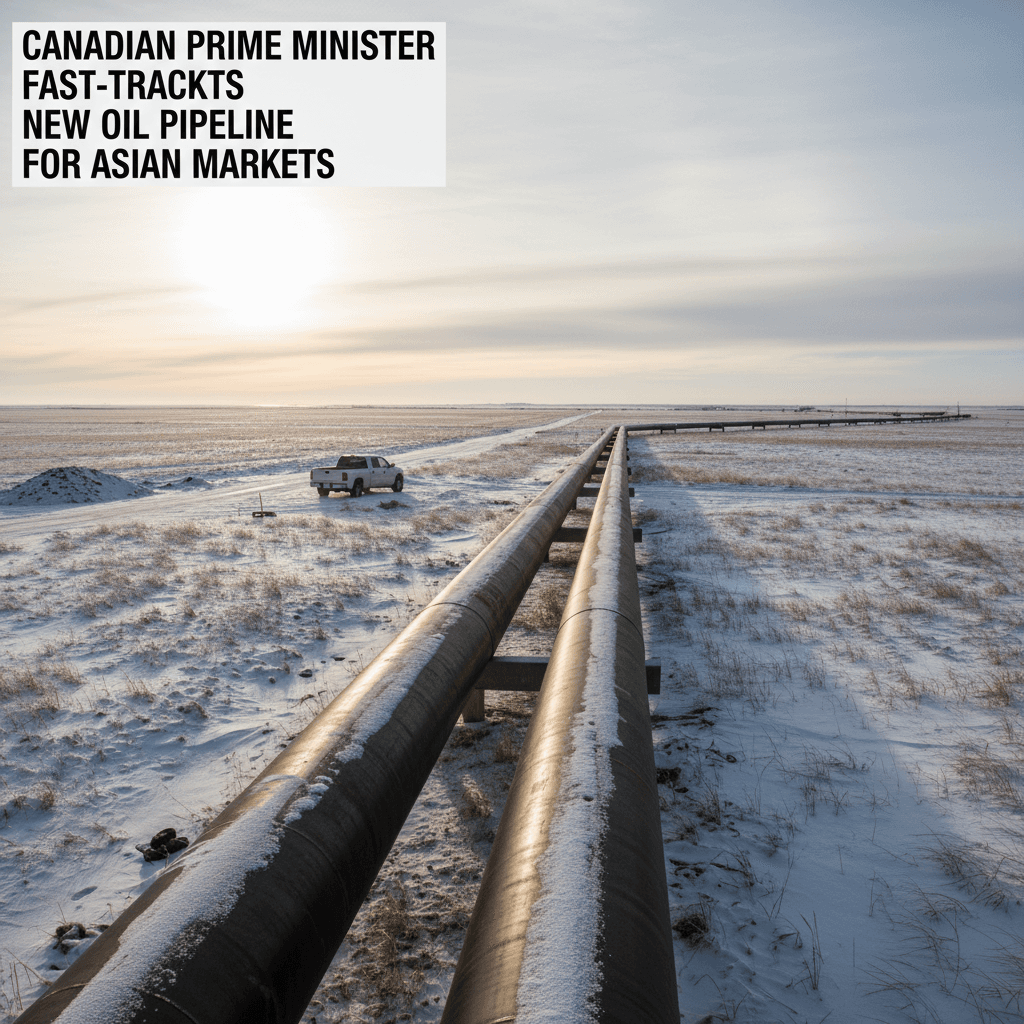
A six-month delay for a key natural gas pipeline project in New Mexico is threatening the schedule for Oracle’s proposed $165 billion data center development, according to a report from Oilprice.com. The setback underscores the infrastructure challenges emerging with the rapid buildout of power-intensive data centers, a trend that is creating significant new demand for natural gas, including from the Bakken region.

Energy Transfer subsidiary Transwestern Pipeline has pushed the expected in-service date for its Green Chile Project from August 15 to February 1, 2027, according to a regulatory filing on Friday, August 14. The pipeline is designed to deliver up to 400 million cubic feet per day of natural gas to the site of Oracle’s "Project Jupiter" in Doña Ana County, New Mexico. That volume is equivalent to roughly 0.4% of total Lower 48 U.S. gas production.

The delay is a direct threat to the data center project, which could use as much as 2.5 gigawatts of gas-powered fuel cells. Oracle warned federal regulators in May that “time is of the essence” and said delays to Green Chile could jeopardize the broader project. According to Oilprice.com, New Mexico’s State Land Office has repeatedly declined to approve Energy Transfer’s proposed pipeline route, which crosses a small section of state-owned land.

The situation illustrates a critical constraint for the AI-driven data center expansion: while developers seek dedicated power generation to avoid grid connection delays, this behind-the-meter strategy still requires reliable fuel delivery via pipelines and permits. For Bakken producers and midstream companies like Energy Transfer, which has a major presence in the Williston Basin, this trend represents a substantial new source of demand growth for natural gas.

Energy Transfer is already capitalizing on this shift in other regions. The company began supplying gas this year to an Oracle data center campus near Abilene, Texas, and has signed agreements representing more than 6 billion cubic feet per day of new demand across data centers, utilities, and power plants, Oilprice.com reported.

For North Dakota, the ongoing national push to build pipelines to serve new power demand is a positive long-term signal. Increased takeaway capacity and market outlets for natural gas, a key byproduct of Bakken oil production, help improve well economics and reduce flaring. The delay of a single project like Green Chile highlights the permitting hurdles that can slow infrastructure development, but the scale of committed demand—billions of cubic feet per day—points to a durable new market for natural gas volumes that could originate in basins like the Bakken.

The financial markets reacted to the news on Friday, with Oracle shares down 4% in afternoon trading, while Energy Transfer's stock gained 1.4%.

Source

OilPrice.com
energy transferpipelinenatural gasdata centersinfrastructurepermittingdemand

Share this article

Related Articles

Pipeline & Infrastructure

Standing Rock Pipeline Protests Reached Critical Flashpoint 10 Years Ago

The protest movement against the Dakota Access Pipeline (DAPL) reached a major flashpoint in early September 2016, drawing thousands to the Standing Rock Sioux Reservation and igniting a national debate over energy and tribal rights. According to a report from the North Dakota Monitor via Bing News, the conflict intensified after the U.S. Army Corps of Engineers approved plans for the $3.7 billion crude oil pipeline to run half a mile outside the reservation. The project created a stark confrontation between American energy infrastructure and tribal sovereignty. Pipeline developers and state officials argued that modern steel pipelines offered safer fossil-fuel transit than railroads or trucks. Meanwhile, the Standing Rock Sioux Tribe, led by then-Chairman Dave Archambault II, and allies contended the pipeline threatened water sources, sacred sites, and the environment. What began as a smaller protest swelled into a major encampment on the plains south of Bismarck. Thousands of Indigenous...

🌅Afternoon Wire·Sep 5
Pipeline & Infrastructure

Decade Since DAPL Protests Began, Standing Rock Flashpoint Remembered

The world’s attention turned to North Dakota in early September 2016 as protests over the Dakota Access Pipeline (DAPL) intensified into a major standoff, according to a report from the Williston Herald. The conflict began after the U.S. Army Corps of Engineers approved plans for the $3.7 billion crude oil pipeline half a mile outside the Standing Rock Sioux Reservation. The decision pitted American energy interests against tribal sovereignty, according to the source. It sparked a grassroots movement where Indigenous protesters and allies argued the project threatened water, sacred sites, and the environment. Pipeline developers and state officials maintained that modern steel pipelines offered safer fossil-fuel transit than railroads or trucks. Thousands of Native Americans and climate activists flocked to the protest camps south of Bismarck. Public figures, including actors Shailene Woodley and Mark Ruffalo and the Rev. Jesse Jackson, arrived to show support. Activists employed various tactics, chaining themselves...

☀️Morning Wire·Sep 5
Pipeline & Infrastructure

DAPL Protests Reached Critical Flashpoint 10 Years Ago This Week

The protest movement against the Dakota Access Pipeline (DAPL) reached a major flashpoint ten years ago this week, according to a historical report. The $3.7 billion crude oil pipeline project, designed to transport Bakken oil, became a global symbol of conflict between energy development and Indigenous rights. The U.S. Army Corps of Engineers' approval of the pipeline's path half a mile outside the Standing Rock Sioux Reservation in early September 2016 ignited the intensified standoff. The Standing Rock Sioux Tribe, led by then-Chairman Dave Archambault II, argued the project threatened water sources, sacred sites, and the environment. The protest rapidly grew from a localized issue to a major gathering. Thousands of Indigenous people and allies from around the world flocked to the camp south of Bismarck. Public figures including actors Shailene Woodley and Mark Ruffalo and the Rev. Jesse Jackson arrived to show support, according to the report. The movement...

🌅Afternoon Wire·Sep 4