EU Methane Rules Face Pushback, Qatar Incident Assessed
Global energy developments highlight regulatory and operational challenges relevant to Bakken gas exports.
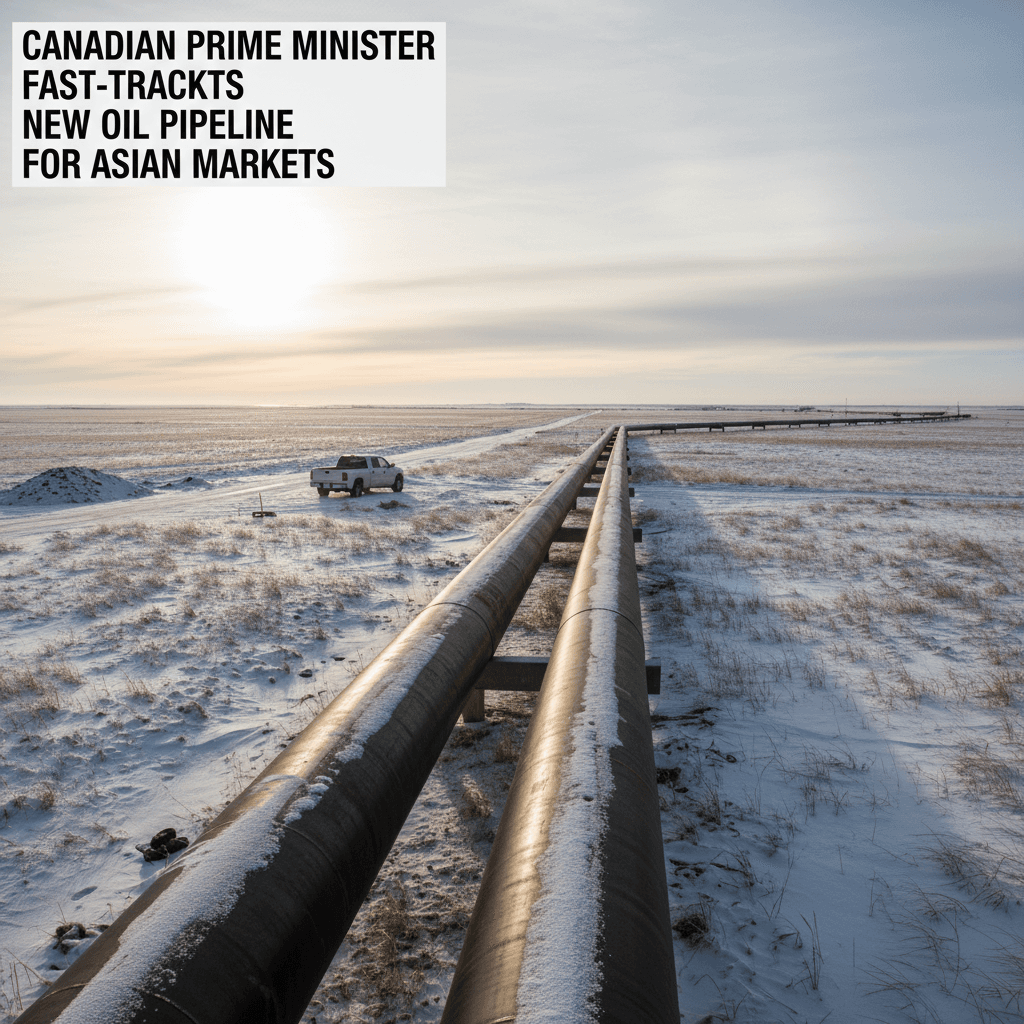
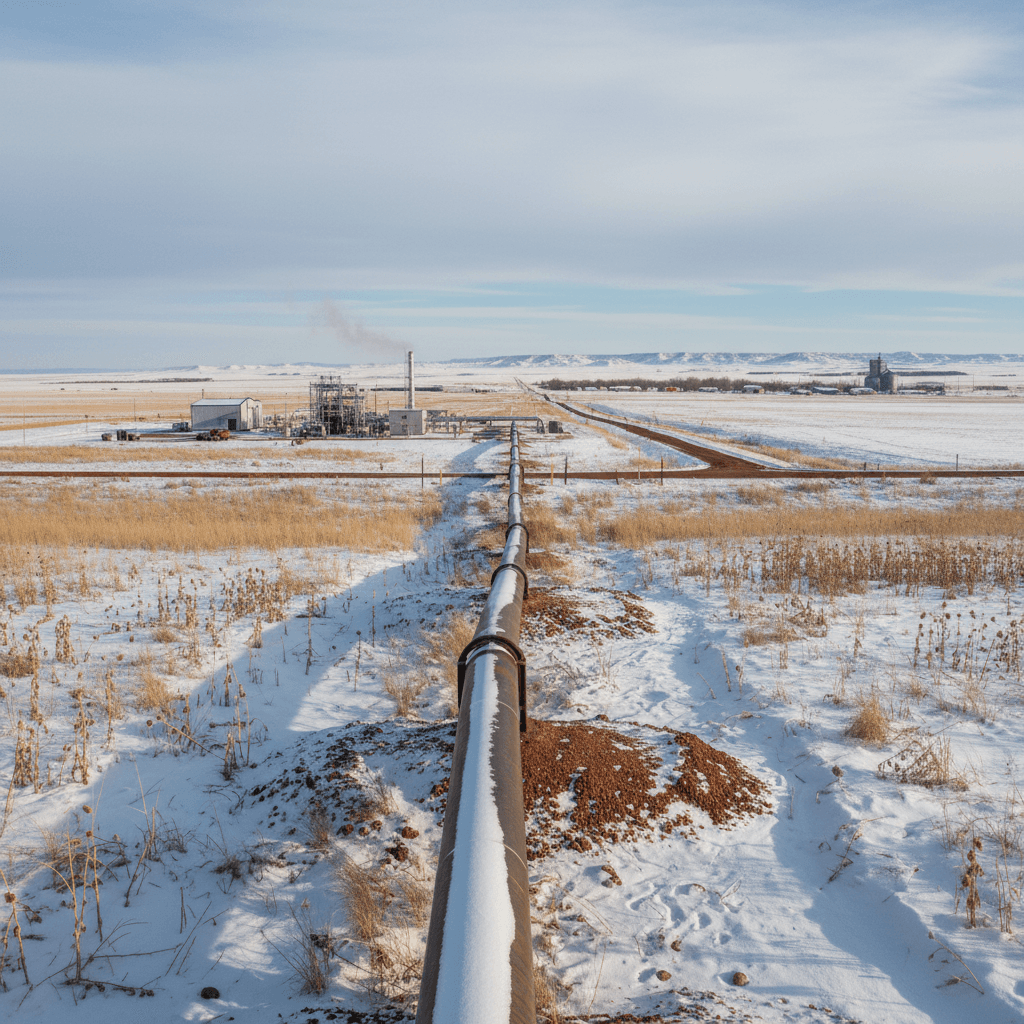
The United States and Qatar are pushing back against proposed European Union methane regulations, according to a report from Rigzone. The countries have asked for a "pragmatic approach" to clarifying the rules and adopting changes to allow importers to continue supplying oil and gas to the EU market. This regulatory debate is closely watched by Bakken producers, as stricter methane emission standards could impact the marketability of North Dakota's natural gas and associated crude oil exports.
Separately, Qatar stated that an explosion at its Ras Laffan industrial complex will not affect liquefied natural gas exports, Rigzone reported. The incident, which occurred on June 23, resulted in 13 fatalities and 66 injuries. Qatar's assurance of continued LNG supply is significant for global gas balances, which indirectly influences prices and market opportunities for Bakken gas producers seeking to expand their market reach.
In a related energy infrastructure development, Tesla and NatPower have partnered to enable over 25 gigawatt-hours of battery energy storage systems (BESS) in Europe, according to Rigzone. The companies described it as the first time at such a scale that "BESS procurement, financing and execution have been coordinated across multiple jurisdictions under a single integrated framework."
For the Bakken, these global developments underscore a dual focus: navigating evolving environmental regulations for hydrocarbon exports and monitoring the expansion of alternative energy storage, which could shape long-term demand for fossil fuels. The pushback on EU methane rules reflects broader industry concerns about the cost and complexity of compliance for U.S. energy exporters, including those in North Dakota. Meanwhile, large-scale battery storage projects in Europe represent the continued growth of energy transition infrastructure that competes with traditional peak-demand gas generation.
Source
According to Rigzone reports published June 24, 2026, and June 23, 2026.