Exxon, Chevron Beat Q1 Profit Estimates Despite Middle East Outages
Surging global oil prices offset production disruptions, but the closed Strait of Hormuz creates an uncertain outlook for the year.
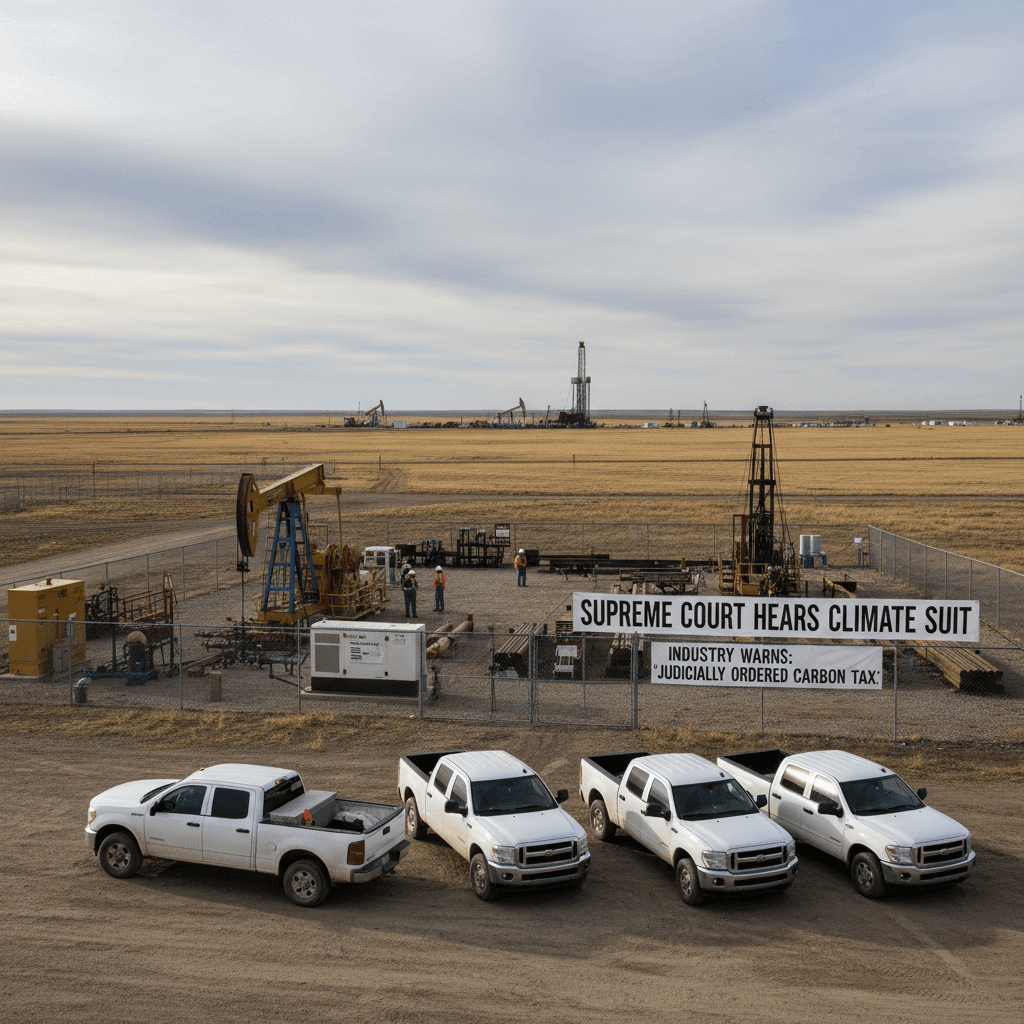
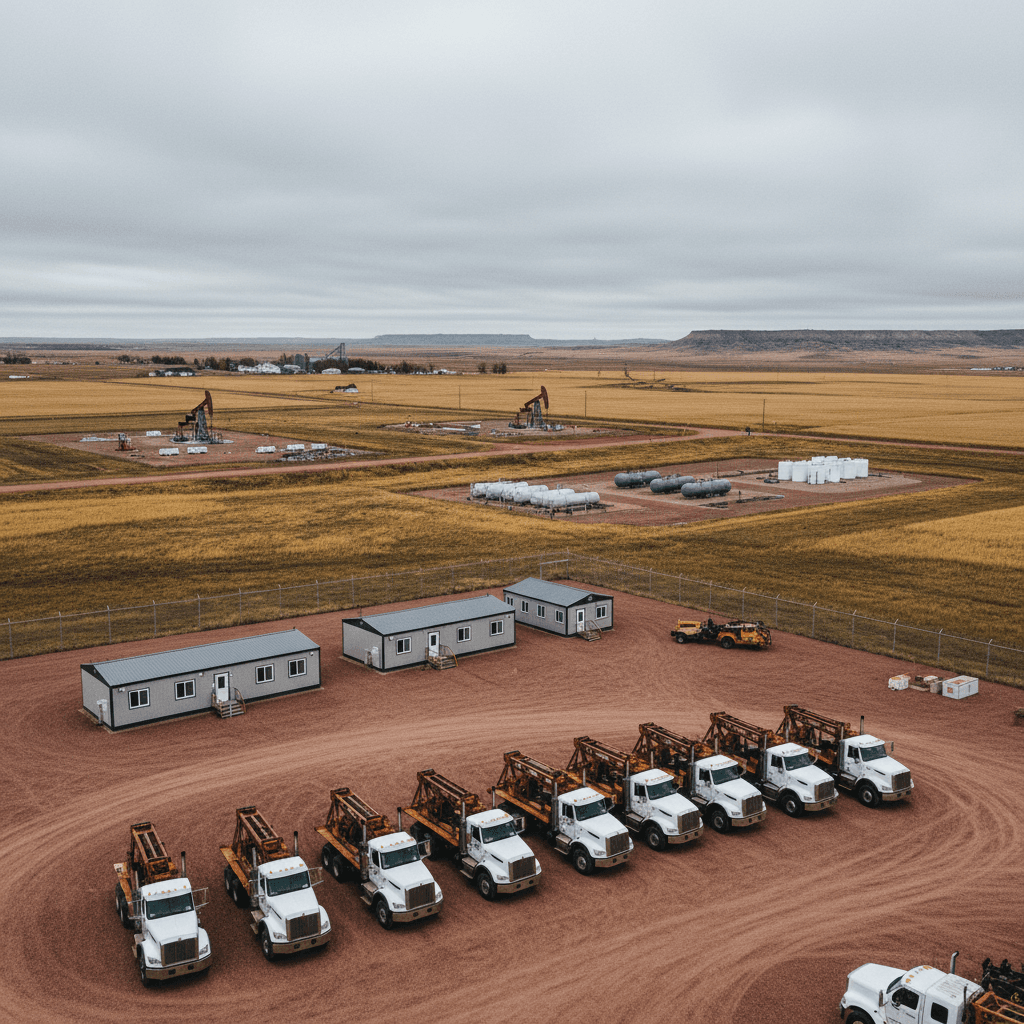
Exxon Mobil Corp. and Chevron Corp., two of the largest operators in the Bakken, reported stronger-than-expected first-quarter profits despite production outages stemming from the Iran war, according to a report from Rigzone. The results highlight how surging global energy prices are currently outweighing operational disruptions for major producers with assets in North Dakota.
Surging energy prices boosted Exxon’s first-quarter earnings by $1.7 billion, more than offsetting a $400 million blow from war-related production outages, the company said. Roughly 15% of Exxon’s worldwide output remains offline, Chief Financial Officer Neil Hansen said in an interview. Chevron's production dipped roughly 5% sequentially, but its per-share profit still surpassed every analyst estimate. Both companies had warned Wall Street last month about negative impacts from the Middle East conflict.
For Bakken-focused operations, the earnings beat underscores the direct benefit of higher oil prices. International oil prices have advanced more than 50% since the conflict erupted in late February. This price environment supports continued investment and drilling economics in the Williston Basin, even as global logistics face severe strain.
However, the companies signaled significant uncertainty for the rest of the year. Exxon and Chevron said that with the Strait of Hormuz remaining all but blocked, the outlook is uncertain. “The global energy system continues to be under extreme stress,” Chevron Chief Executive Officer Mike Wirth said. Exxon’s Hansen echoed this, stating, “Part of the challenge with giving guidance is, as you would imagine, we really don’t know how long the Strait of Hormuz will remain closed.”
Exxon’s profit excluding one-time items in the first quarter was $4.9 billion, or $1.16 a share, which was 20 cents higher than the average analyst estimate. The largest North American oil driller guided average daily output equivalent to 4.9 million barrels this year but may revise that view as the war chokes Middle East energy flows. Chevron's adjusted per-share profit reached $1.41, or 51 cents higher than expected, benefiting from surging prices and growth from a new stake in a giant Guyanese field.
The financial performance of these integrated majors is a key indicator for the health of the broader industry operating in North Dakota. Their ability to generate cash flow despite global disruptions provides a measure of stability. However, the prolonged closure of a critical maritime chokepoint introduces volatility that could affect long-term planning and capital allocation, even for domestic shale assets.
Source
According to a report from Rigzone published May 1, 2026.