Geopolitical Stalemate Persists for Trans-Caspian Pipeline After 27 Years
A stalled project to move Central Asian gas to Europe underscores global competition for infrastructure, as Alberta courts major corporate financing for a pipeline.
A major natural gas pipeline project designed to bypass Russia and Iran remains in a 27-year geopolitical deadlock, highlighting the enduring challenges of building international energy infrastructure. According to a report from OilPrice.com, the Trans-Caspian Pipeline (TCP), conceived in 1999, continues to languish despite renewed Western interest in alternative supply routes following the Iran war.
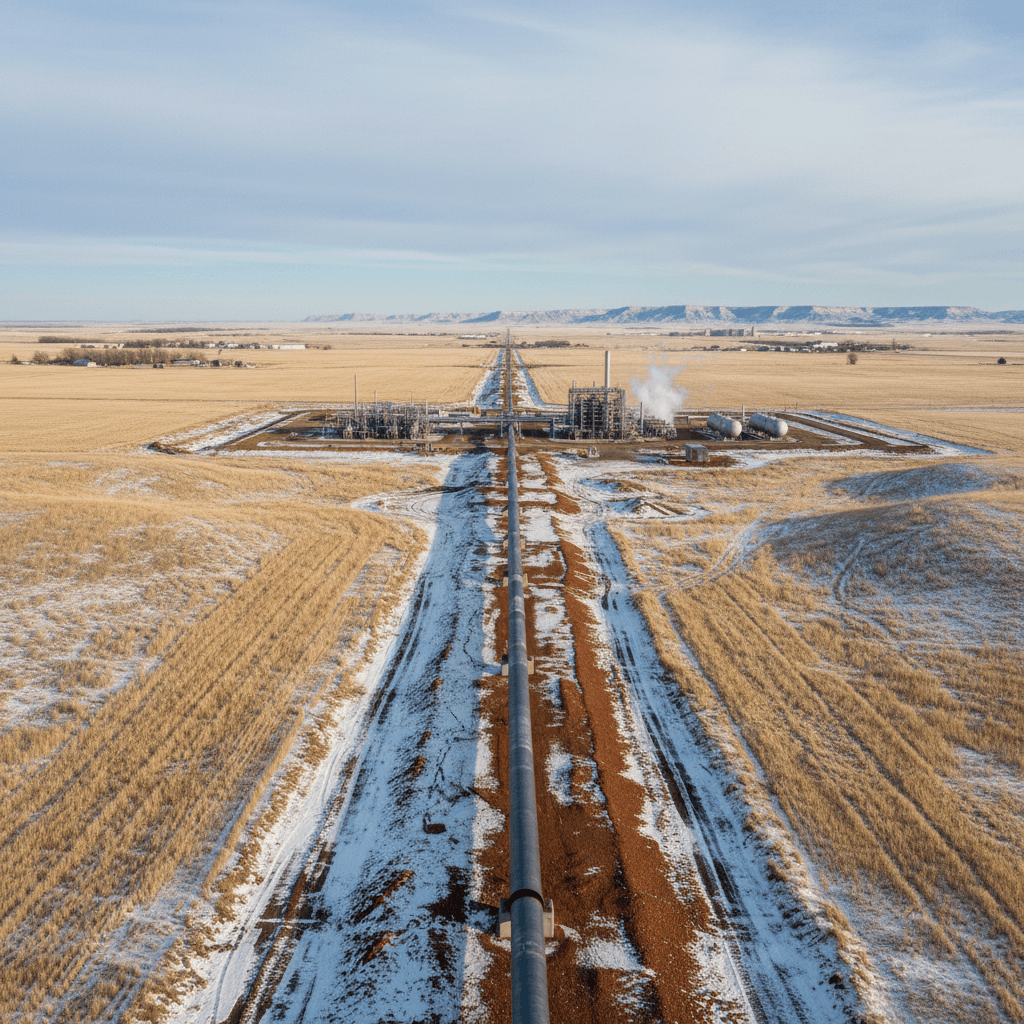
The pipeline would bridge the Caspian Sea from Turkmenistan to Azerbaijan, feeding gas into the Southern Gas Corridor network for delivery to the European Union. The original $5 billion-plus blueprint aimed to move 32 billion cubic meters (bcm) of gas annually. However, fierce legal resistance from Russia and Iran, extreme costs, and EU policy shifts have stalled development.
Analysts note that Turkmenistan, which spent $2 billion building an onshore pipeline to the coast in anticipation of the TCP, practices "strict strategic neutrality." The country seeks ironclad Western economic commitments before risking backlash from Moscow and Tehran by diversifying its export routes. To salvage the project, backers have proposed a downsized "interconnector" moving 10-12 bcm at a cost of $500-$800 million.
John Roberts, a nonresident senior fellow at the Atlantic Council’s Global Energy Center, questioned the viability of the smaller plan. "The question for the Turkmens is the same as ever. Is it worth potentially offending Russia for a system of, say, 10 bcm? Whereas it would definitely be worth offending Russia for a system of 30 bcm," he told RFE/RL, as reported by OilPrice.com.
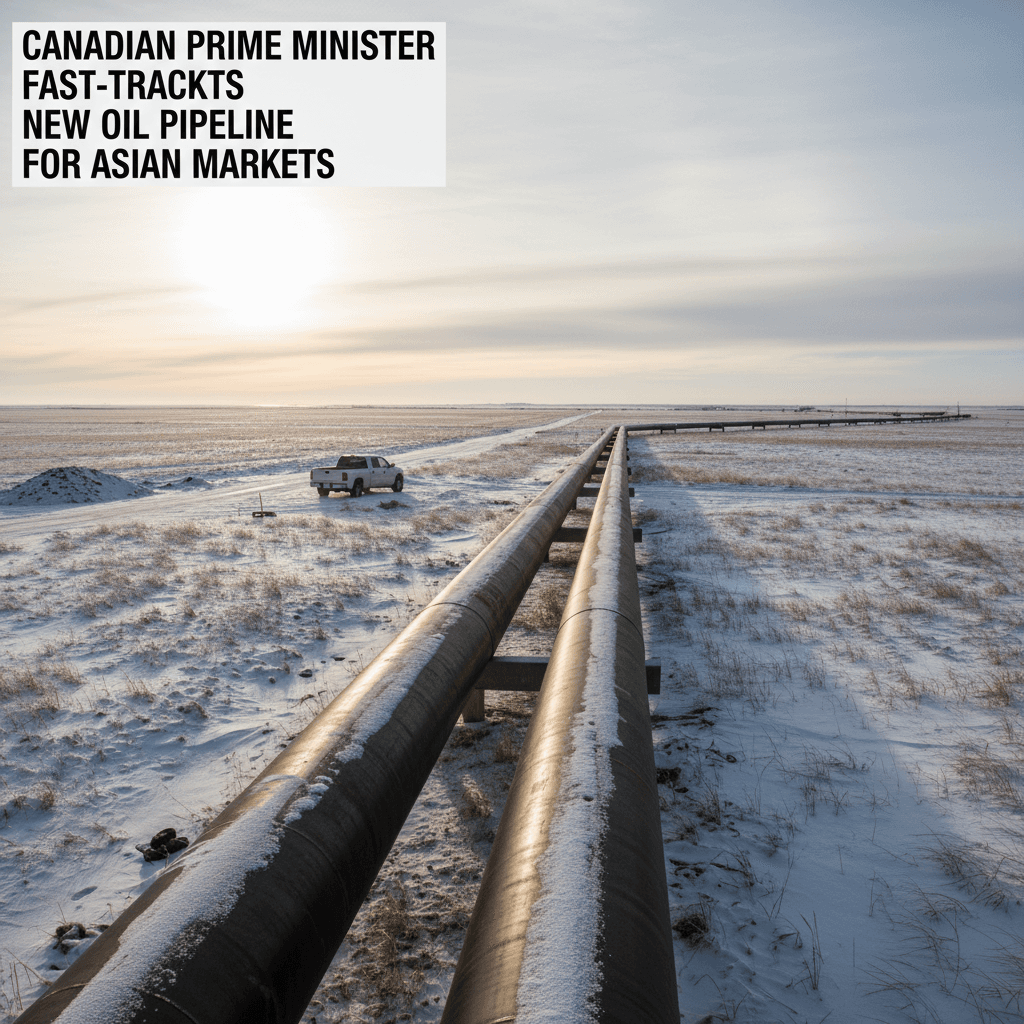
Separately, the push for large-scale infrastructure financing was highlighted in Canada. Alberta's Energy Minister Brian Jean stated the province is in discussions with a Fortune 500 company about financing and building an entire pipeline project, according to Rigzone. "We've had one particular discussion with a proponent, actually a Fortune 500 company, in very general terms about financing the entire project and building the entire project," Jean said.
For Bakken operators and North Dakota stakeholders, these developments underscore a global landscape where major pipeline projects face significant political and financial headwinds. The decades-long struggle for the TCP illustrates how geopolitical rivalries can freeze projects with clear economic logic, a relevant consideration for any Bakken export infrastructure seeking international partners or markets. Meanwhile, the pursuit of corporate financing by a major energy-producing region like Alberta reflects an ongoing search for alternative funding models beyond traditional energy investors, a trend that could influence capital availability for future midstream projects in the Williston Basin.
Source
OilPrice.com, Rigzone