Geopolitical Tensions, Power Demand Shape Bakken's Regulatory Landscape
Iran-Russia talks and CenterPoint's data center power target highlight external factors influencing oil markets and local energy infrastructure.
Geopolitical developments affecting global oil markets and a major utility's power generation plans are key regulatory and market factors for Bakken operators this week.
Iran's top diplomat is in Russia for coordination talks, according to Rigzone, after U.S.-Israeli military actions disrupted bilateral meetings. While not directly involving North Dakota, such geopolitical tensions in key oil-producing regions can influence global crude prices and market volatility. Price stability is a critical factor for Bakken producers planning drilling budgets and well completion schedules.
On the domestic energy front, utility CenterPoint Energy has announced a significant target for new power generation to serve data centers. Rigzone reported the company plans to energize 8 gigawatts of generation projects catered to data centers by 2029. This large-scale commitment to power demand growth underscores the competing pressures on the nation's electricity grid.
For the Bakken region, these developments frame a complex operating environment. Geopolitical risk abroad remains a persistent backdrop for commodity pricing. Domestically, the soaring electricity demand from data centers and other industrial users could have long-term implications for energy infrastructure planning in the Upper Midwest, potentially affecting power costs and availability for industrial users, including oil and gas operations.
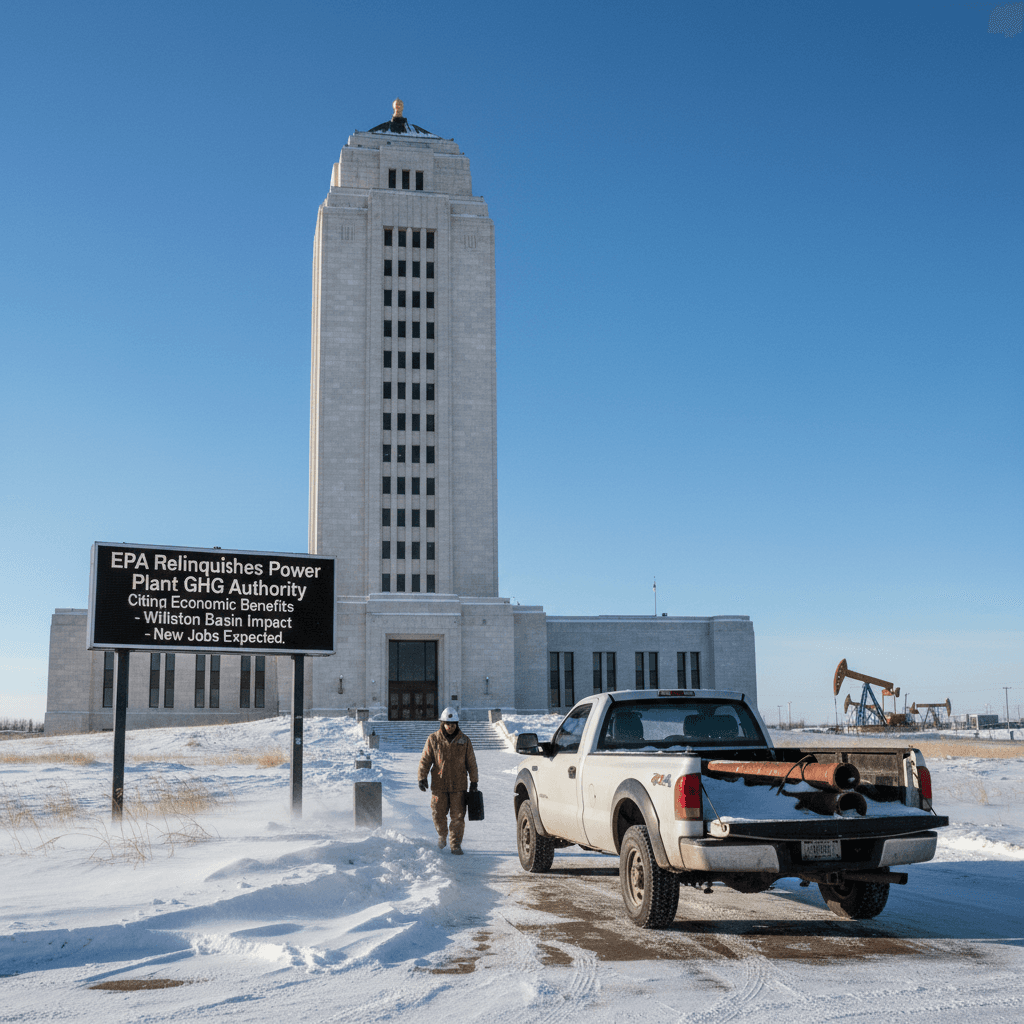
The Bakken formation, as North Dakota's primary oil-producing region, is influenced by both international market forces and national energy policy trends. While the state's regulatory focus remains on local permitting, environmental standards, and flaring reduction, broader national and global events shape the economic fundamentals for continued development in the Williston Basin.
Source
Rigzone