Global Chokepoints Tighten as EU Considers Market Response
Closure of Strait of Hormuz and geopolitical disruptions highlight the importance of secure domestic pipeline infrastructure for Bakken crude.
The critical Strait of Hormuz oil transit chokepoint is now essentially fully closed, according to SEB Chief Commodities Analyst Bjarne Schieldrop, as reported by Rigzone. The closure, linked to ongoing Middle East conflict, immediately disrupts a major artery for global seaborne crude oil shipments.
In response to energy price spikes from the war, the European Commission is consulting member states on a draft proposal to relax state aid limits, Rigzone reported. The temporary measure aims to protect market competition amidst the volatility.
Separately, Rigzone reported that BP has acquired its first operated stakes in Namibia, a region described as attracting growing industry interest with "a number of exciting frontier basins."
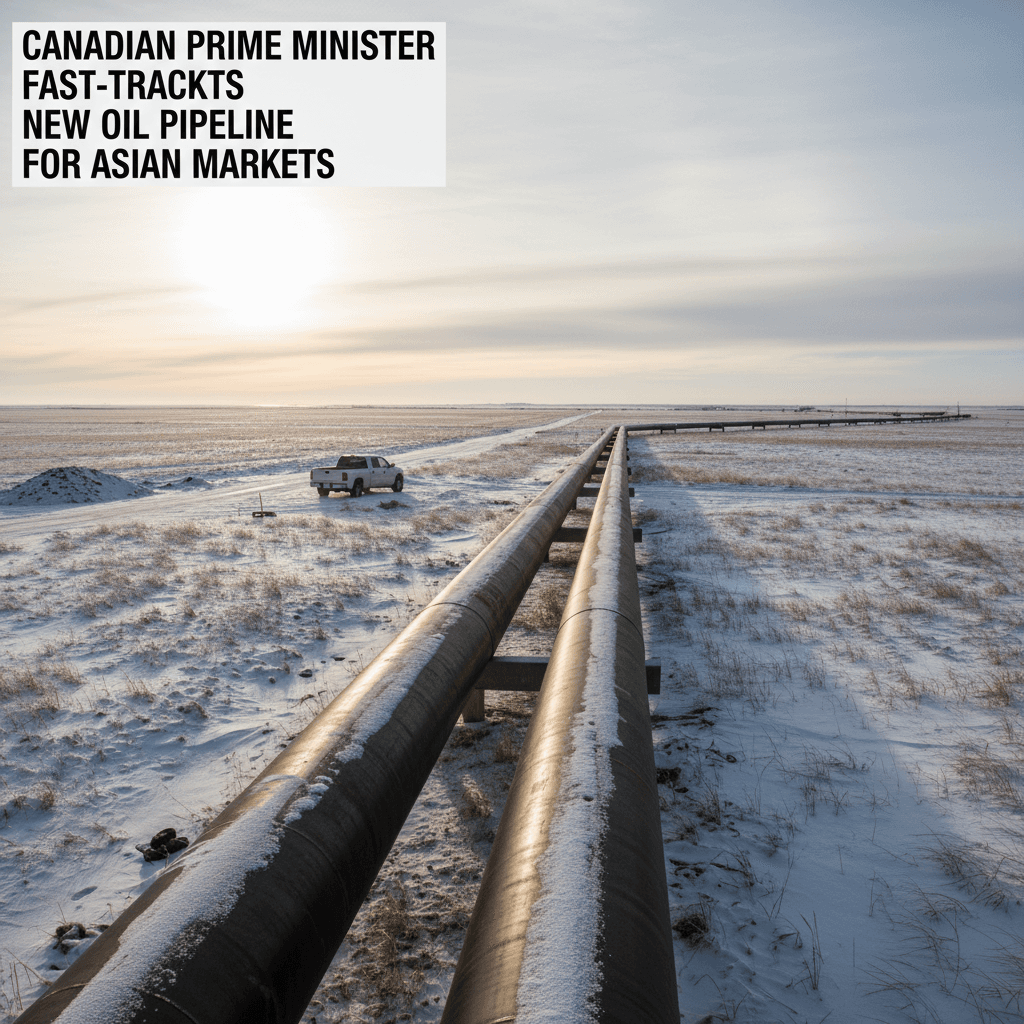
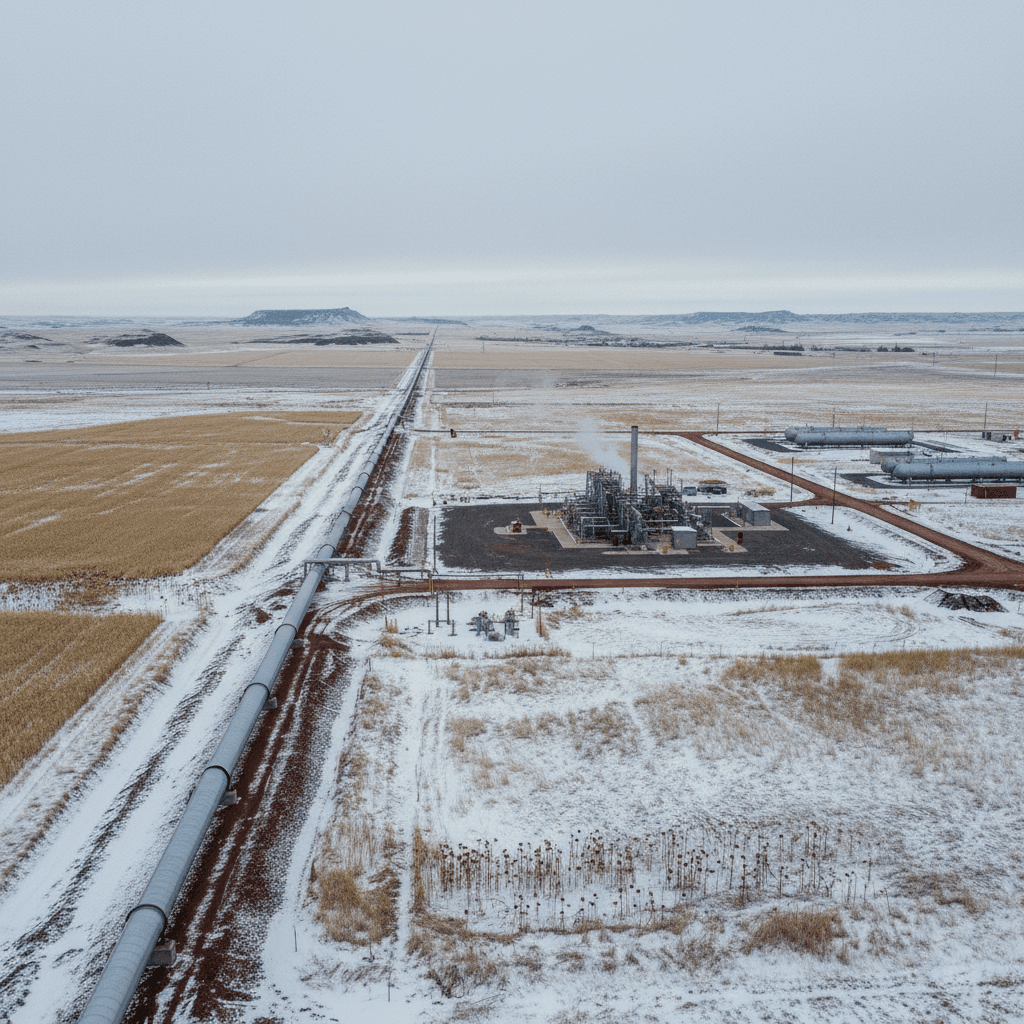
For Bakken producers and royalty owners, these international developments underscore the value of North America's internal pipeline network. While global disruptions can bolster benchmark oil prices, they also create logistical and pricing uncertainties for landlocked crudes. Secure access to markets via pipelines like the Dakota Access Pipeline (DAPL) becomes even more critical when traditional global shipping lanes are compromised.
The potential for sustained higher global prices due to the Hormuz closure may improve netbacks for Bakken crude, but the benefits are contingent on having sufficient and reliable takeaway capacity. The EU's consideration of market interventions reflects the broad economic impact of such supply shocks, which can indirectly affect investment and demand signals relevant to U.S. shale plays.
BP's move into Namibia highlights the ongoing global competition for new resource basins, even as established regions like the Bakken continue to optimize production. For North Dakota, the focus remains on maintaining and expanding pipeline infrastructure to ensure Bakken crude can efficiently reach refineries and ports, insulating the state's economy from the worst effects of distant geopolitical supply disruptions.
Source
Rigzone (multiple reports from April 14, 2026)