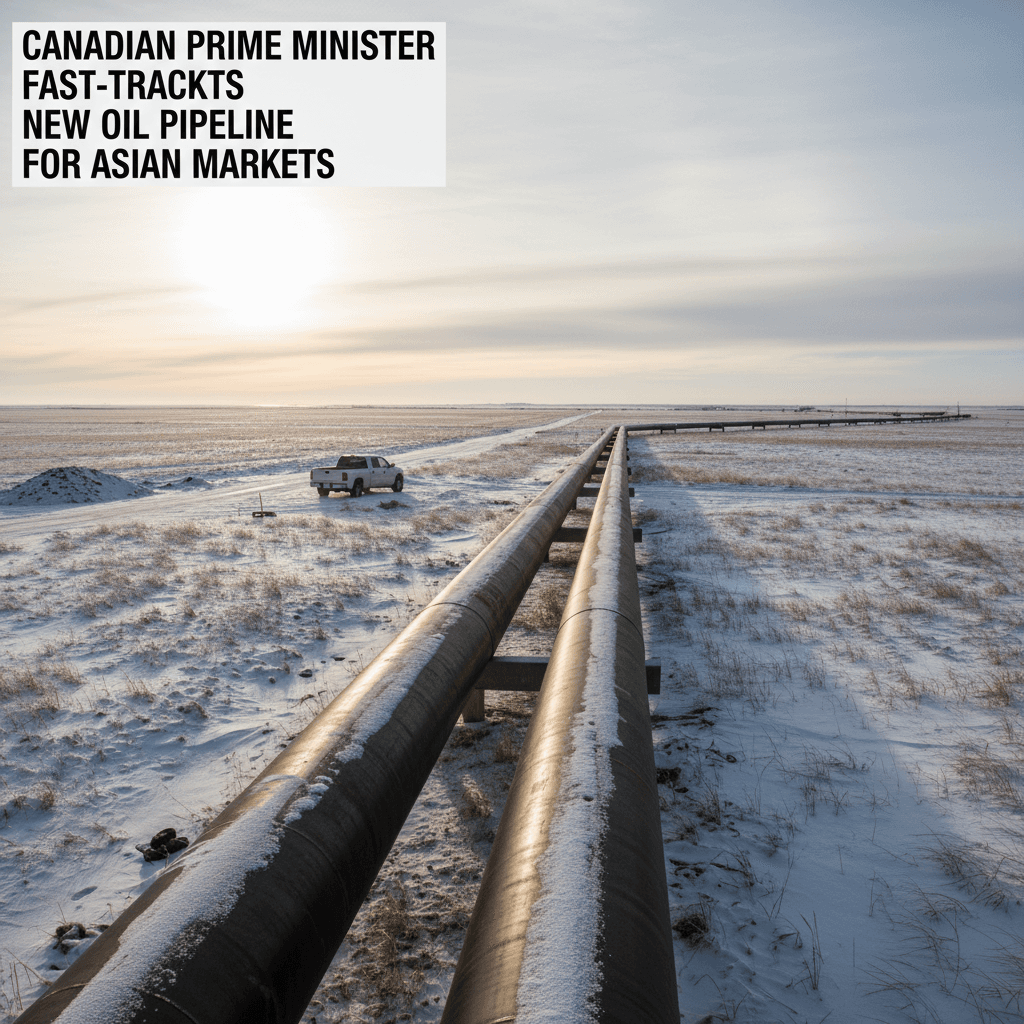
Global Energy Developments May Influence Bakken Market Dynamics
LNG project, Arctic policy, and geopolitical truce reported amid evolving global oil and gas landscape.
International energy developments reported this week could have indirect implications for Bakken crude oil market access and global price sentiment, according to news summaries from Rigzone.
In a move to bolster LNG import capacity, South Africa's Transnet National Ports Authority has executed a 25-year terminal agreement with Ukwanda LNG for a regasification project at the Port of Ngqura, Rigzone reported. Increased global LNG infrastructure can affect competition for gas markets, though the Bakken remains primarily an oil play.
Separately, Norway is campaigning for the European Union to withdraw a moratorium on new oil and gas drilling in the Arctic, where nearly two-thirds of its petroleum resources are located, according to Rigzone. The ongoing debate over Arctic development underscores the global tension between energy supply needs and environmental policies, factors that can influence international investment and regulatory climates relevant to U.S. producers.
In geopolitical news, the United States and Iran have tentatively agreed to renew a ceasefire for 60 days and launch further talks on Tehran's nuclear program, a person with knowledge of the matter told Rigzone. While direct impacts on North Dakota production are limited, stability in the Middle East can affect global crude oil price volatility, a key factor for Bakken operator economics.
For Bakken operators, these international stories highlight the interconnected nature of the oil and gas market. Developments in global LNG, Arctic resource policy, and key geopolitical regions all contribute to the supply and demand balance that ultimately determines the price received for Williston Basin crude. Market access for Bakken oil, often dependent on broader global flows and price differentials, can be shaped by such external events.
Source
Rigzone