Global Events Create Uncertain Backdrop for Bakken Crude
Ukraine-Russia refinery strikes, steady U.S. output forecast, and key energy talks highlight a volatile market environment.
Global energy developments are creating a complex price and market environment for Bakken shale operators as 2026 draws to a close. A series of reports from Tuesday highlight factors that could influence crude oil volatility and export logistics.
Ukrainian drone strikes targeted two oil refineries deep inside Russia, according to a report from Rigzone. Such attacks on refining capacity can tighten global fuel supplies, potentially supporting crack spreads and providing indirect support to crude prices. For Bakken producers, this geopolitical tension adds another layer of uncertainty to an already fragile global supply chain.
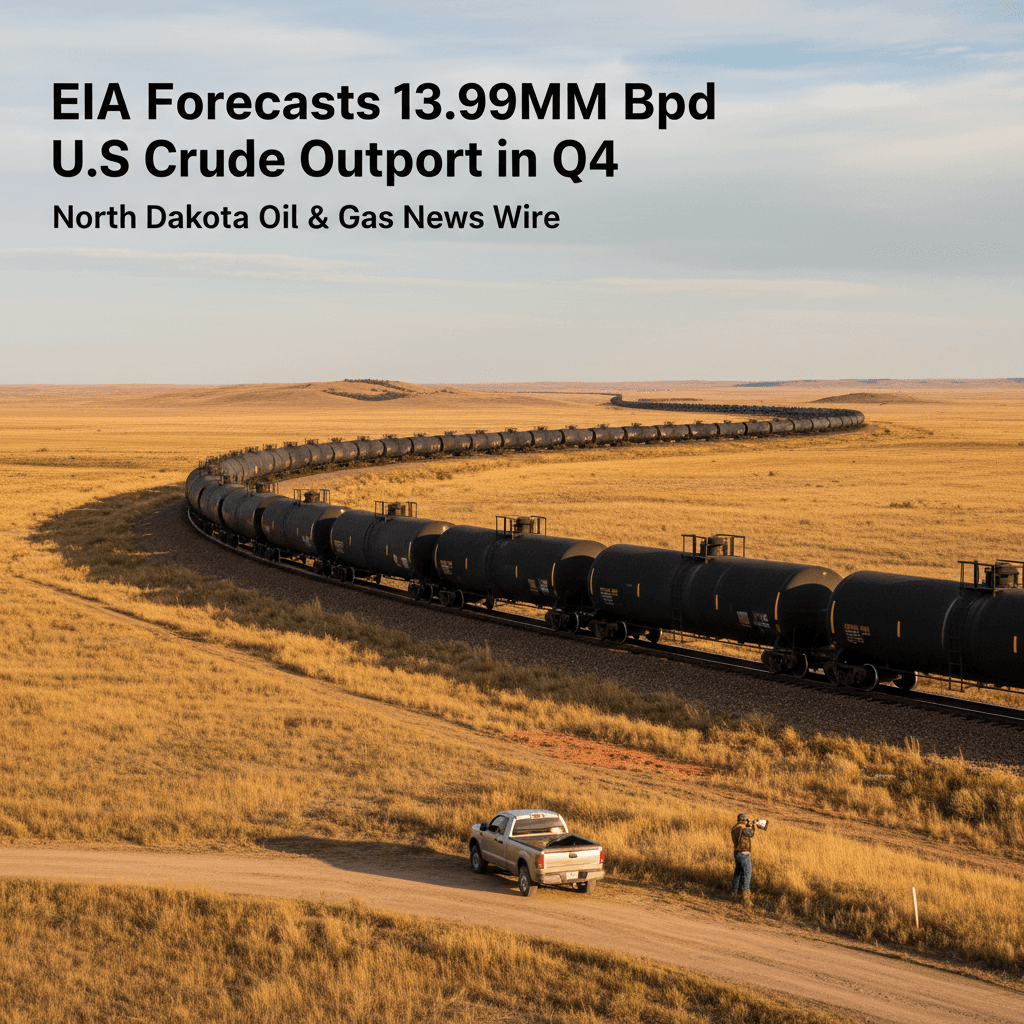
On the domestic front, the U.S. Energy Information Administration forecasts that American crude oil production will average 13.99 million barrels per day in the fourth quarter of 2026, Rigzone reported. This high-level national figure suggests a stable output plateau. For the Bakken formation, a key contributor to this national total, it underscores the ongoing challenge of maintaining production growth in a mature basin while competing for capital within a disciplined U.S. shale sector.
Meanwhile, major energy organizations are convening for critical talks. OPEC announced that it, the International Energy Agency, and the International Energy Forum have met with industry experts "for crucial dialogue on maritime energy flows," as reported by Rigzone. The security and cost of global shipping routes are vital for Bakken crude, which often moves to coastal refineries via rail or pipeline before being exported. Any disruptions or policy changes discussed in these forums directly impact the netback price Bakken operators receive for their barrels.
Taken together, these developments point to a market where geopolitical risk and logistical considerations are as influential as fundamental supply and demand. Bakken operators must navigate this landscape, where refinery disruptions abroad could offer marginal price support, but steady U.S. output and high inventories may cap significant gains. The focus on maritime flows also signals that global trade efficiency remains a persistent concern for North Dakota's export-dependent oil industry.
Source
Rigzone (November 17, 2026 reports on Ukrainian drone strikes, EIA Q4 output forecast, and OPEC/IEA/IEF maritime dialogue)