Global Gas Squeeze, Refinery Strikes Signal Prolonged Energy Volatility
IGU warns tight supply could last through summer 2027, impacting global prices and demand as conflict continues.
A prolonged global natural gas supply crunch is expected to last until at least next summer, according to a leading industry group, setting the stage for continued volatility in energy markets critical to Bakken operators. The International Gas Union (IGU) warns the tight market, driven by conflict, could cause prolonged demand destruction.
"The market right now is saying that they see the conflict getting prolonged," IGU’s secretary general Menelaos Ydreos told Reuters, according to an OilPrice.com report. He noted Europe is aggressively bidding for LNG to refill storage, outbidding Asian buyers and driving prices higher. While some short-term demand destruction has occurred, Ydreos questioned whether it would rebound or lead to longer-term policy shifts.
Goldman Sachs analysts, cited in the same report, expect European gas prices to average 70 euro per MWh this winter (approximately $80), a significant increase from earlier forecasts of 30-60 euro. The bank linked the hike to LNG exports from the Persian Gulf remaining at only 15%–25% of pre-war levels. Analyst Samantha Dart stated European prices must rise to outcompete other global LNG importers.
Concurrently, geopolitical instability continues to threaten global oil product supply. Rigzone reported that Ukraine said it struck two Russian oil refineries on September 25, continuing a pattern of targeting energy assets despite diplomatic talks. Such attacks can disrupt regional fuel supplies and contribute to broader market uncertainty.
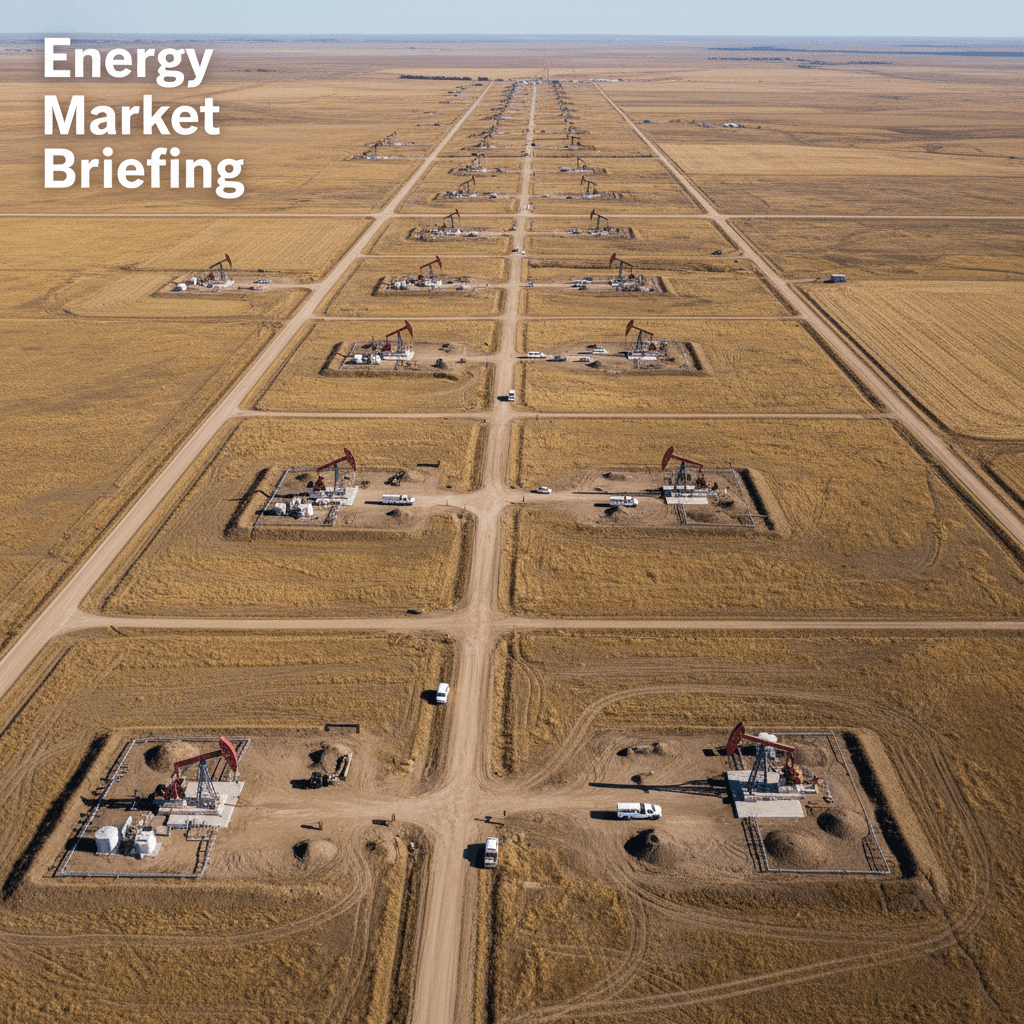
For the Bakken, these global dynamics present a complex backdrop. Sustained high global gas prices could provide indirect support for associated gas production in North Dakota, though local prices are more directly tied to pipeline capacity and Midwest demand. The ongoing conflict and refinery strikes underscore a fragile global supply chain, where any disruption can influence the crude oil prices that determine Bakken operator revenues.
In a separate development pointing to evolving industry practices, Rigzone reported that Spiritus secured three letters of intent to supply over three million metric tons of CO2 annually for enhanced oil recovery (EOR) projects in the U.S. Gulf Coast, Midwest, and Rockies. While not directly involving Bakken operators, this highlights growing commercial activity around carbon management and EOR, a technology with potential future application in the Williston Basin to extend the life of mature fields.
The synthesis of these reports indicates Bakken stakeholders face a market where high volatility is the near-term norm. The competition for LNG and threats to refining infrastructure keep energy security and price stability at the forefront of global concerns, directly impacting the economic environment for North Dakota production.
Source
OilPrice.com, Rigzone