Global Oil Inventories Cushion Shock, China Resumes Fuel Exports
J.P. Morgan analysts say 280 million barrels drawn, while U.S. sanctions waiver and Chinese policy shifts reshape global flows.
Global oil inventories are serving as the primary shock absorber for markets strained by conflict, with 280 million barrels already drawn since the crisis began, according to a J.P. Morgan analysis. This dynamic directly impacts the price environment for Bakken crude, which competes in a global market now reliant on stored barrels to balance supply losses.
Natasha Kaneva, J.P. Morgan’s head of global commodities strategy, and her team noted in a report that the world began 2026 with 8.4 billion barrels in storage. However, they warn that only an estimated 800 million barrels are realistically available without pushing the system into operational stress. "In this war driven oil shock, inventories have become the market’s primary balancing mechanism," the analysts said, according to Rigzone.
The report highlights that of the total inventory, about 5.2 billion barrels are crude, with 3.2 billion in refined products. The analysts also distinguish between commercial stocks and Strategic Petroleum Reserves, noting that OECD stockpiles play an outsized role in price formation due to their transparency.
Concurrent with inventory draws, global trade flows are shifting. The United States recently extended a sanctions exemption on some Russian crude sales until May 16, a move by the Trump administration responding to market strain after the closure of the Strait of Hormuz, OilPrice.com reported. This waiver is expected to decrease oil costs by allowing legal purchases of hundreds of millions of barrels from Russia, potentially capping price rallies that benefit Bakken producers.
The waiver has bolstered Russian revenues, with India shipping around 2.25 million barrels per day of Russian crude in March, a near 100 percent increase from February. China also bought a record of more than 100 million tonnes of Russian oil in 2024.
In a significant development for refined product markets, China has reversed its curbs on fuel exports. State-owned refiners, including Sinopec and China National Petroleum Corporation, have received government approval to export 500,000 tons of gasoline, diesel, and jet fuel in May, OilPrice.com reported. These shipments, likely destined for Vietnam and Laos, will provide relief to an Asia gripped by a fuel shock. This increase in global product supply could influence refining margins for diesel, a key product yielded from Bakken crude.
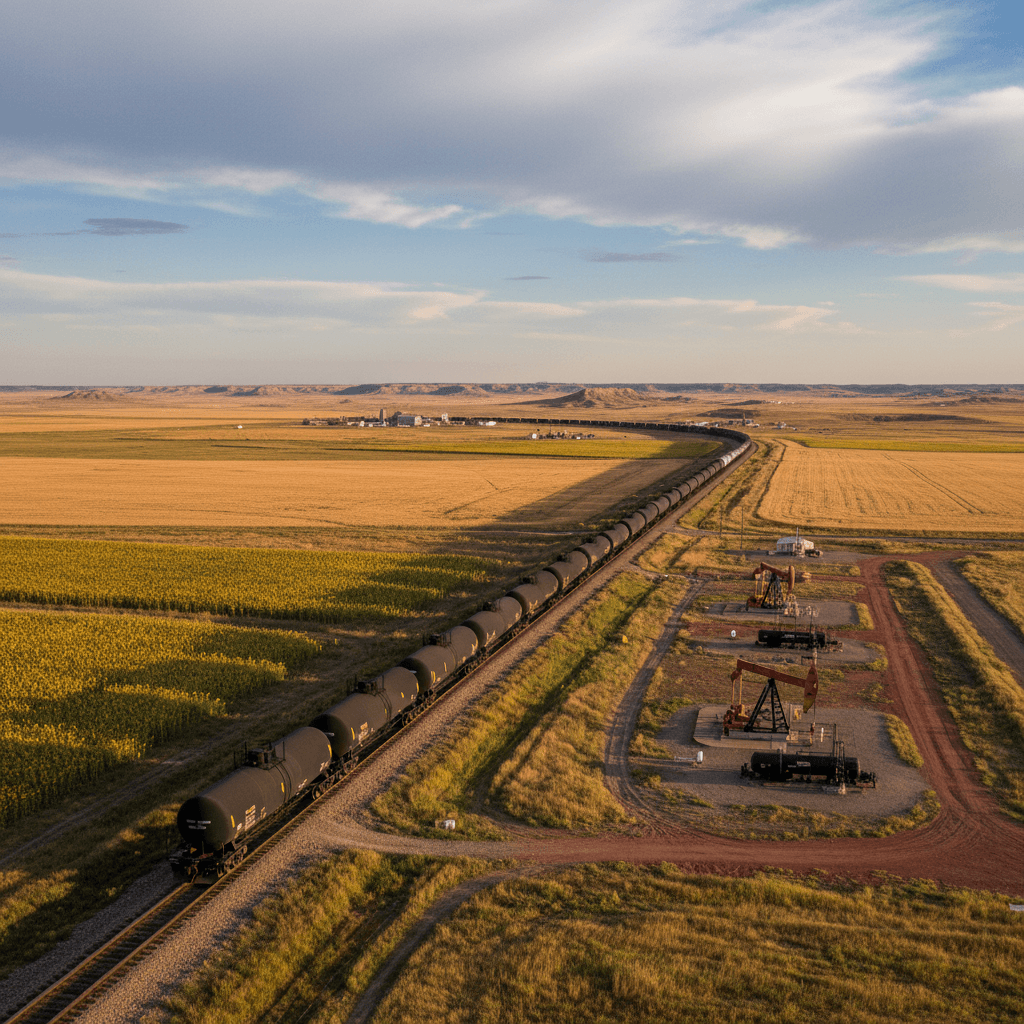
For Bakken operators, these interconnected developments signal a market attempting to stabilize through drawn inventories and altered trade policies. The availability of Russian crude under U.S. waiver and renewed Chinese fuel exports introduce new variables into the global supply-demand balance that ultimately set the price for North Dakota's oil.
Source
Analysis based on reports from Rigzone (May 1, 2026) and OilPrice.com (May 2, 2026).

